Disclosure: This post contains affiliate links. As an Amazon Associate, we earn from qualifying purchases.
Decking tiles are modular, interlocking surfaces you install over a flat, clean base to create durable, slip‑resistant outdoor floors with minimal tools and maintenance. They snap into grids or rest on supports, letting you mix patterns and sizes for a cohesive look. Choose materials based on durability, weight, and environmental impact, and maintain them with simple cleaning and occasional sealing. Start with a level surface, plan spacing for drainage, and you’ll get a fast, flexible deck solution that fits your space—and you’ll uncover more tips as you go.
What Decking Tiles Are and Why They Matter
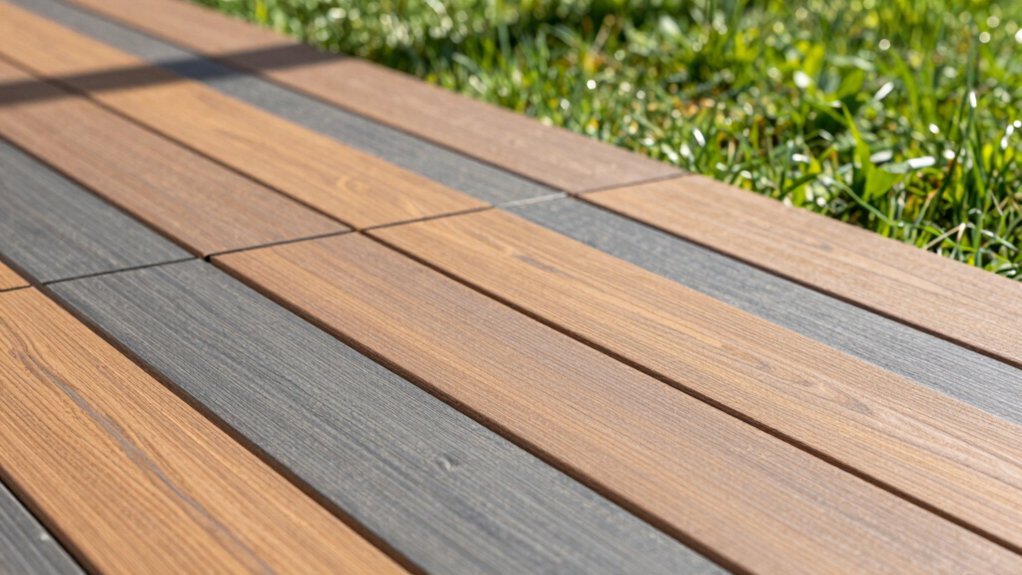
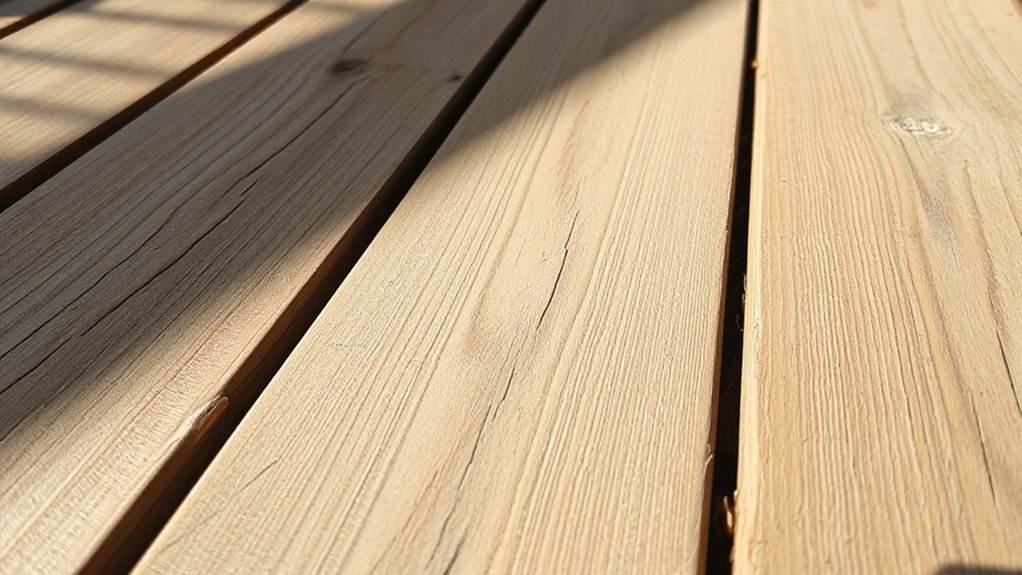
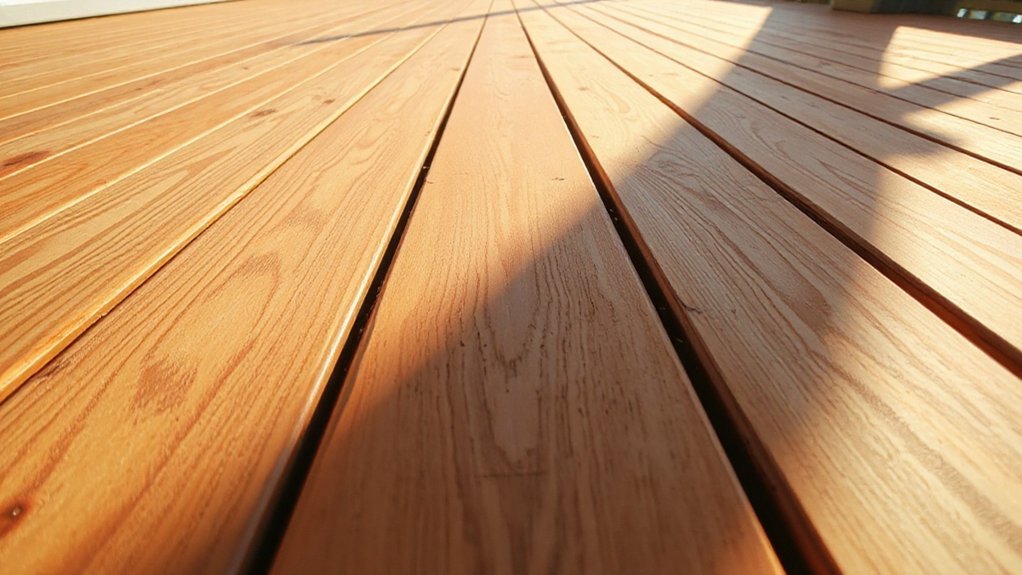
Decking tiles are modular, interlocking surfaces that you install over a base surface to create an outdoor or indoor deck quickly and with minimal mess. You’ll understand why they matter by focusing on two smart ideas: decking aesthetics and material sustainability.
Aesthetics guide your choice of color, texture, and join lines, so you get a cohesive look that suits your space and light. Material sustainability matters too; you want durable, low-maintenance options that resist weather and wear without frequent replacement.
With tiles, you can mix patterns or sizes to emphasize focal points, shade, or seating areas, boosting curb appeal without a full rebuild. Consider effects like slip resistance and drainage to keep the area functional year round.
Choose wisely, install properly, enjoy a refreshed surface.
How Decking Tiles Work on Patios, Balconies, and Rooftops
You’ll see how decking tiles sit on different surfaces, how they stay in place, and how easy they’re to install yourself.
On patios and balconies, they create a stable, ventilated layer that helps protect the substrate while making cleaning simple.
On rooftops, you’ll notice safety benefits like slip resistance and drainage that keep you secure and avoid water buildup.
How Decking Tiles Work
If you’re installing decking tiles on patios, balconies, or rooftops, the system is designed for quick, tool-free setup that you can do yourself. Each tile snaps into a grid or rests on a stable surface, creating a floating deck that improves drainage and air circulation.
You’ll notice simple connectors or interlocking edges that align precisely, keeping gaps uniform. Aesthetics come from uniform tile sizes, clean lines, and consistent spacing, which together deliver decking innovation without complicated installation.
Underfoot, raised pedestals or lattice supports provide ventilation and moisture escape, preventing warping. Maintenance is straightforward: sweep, rinse, and allow quick drying between uses.
The result is a durable, modular surface that’s easy to expand, replace, or reconfigure as your space or taste evolves, delivering practical, tangible aesthetic enhancement.
Patio and Balcony Use
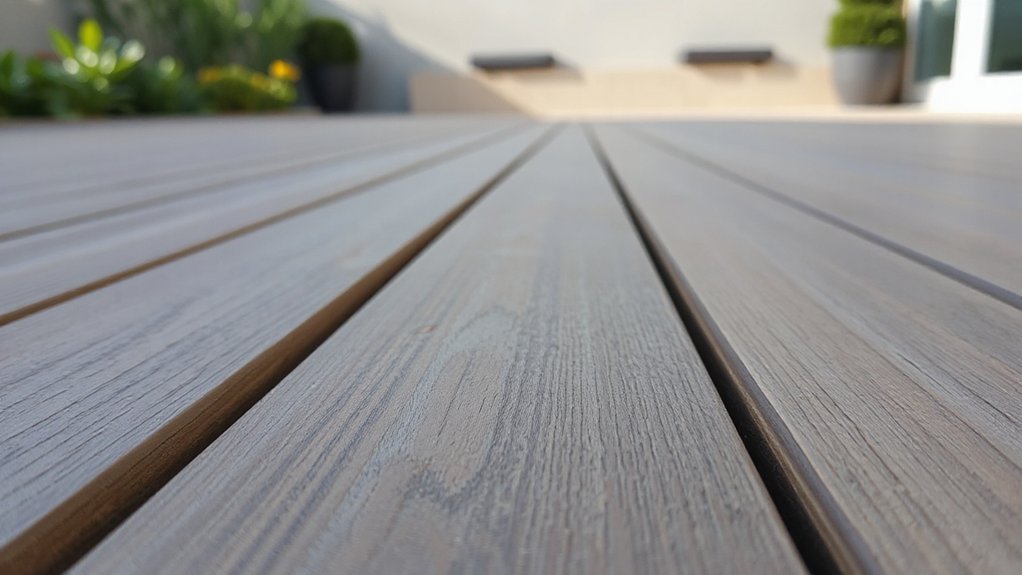
Patio and balcony spaces demand a setup that suits smaller, outdoor areas while still delivering solid drainage and airflow. You’ll install decking tiles on flat, clean ground or over a compatible grid. Choose tiles with gap spacing that accommodates water escaping and airflow beneath, preventing moisture buildup.
For balcony use, verify weight limits and ensure the structure can handle repetitive foot traffic. Clip or interlock tiles securely so edges don’t lift with gusts.
On patios, align tiles in a straight, neat pattern to simplify maintenance and avoid tripping hazards. Use outdoor decor accents like planters and furniture that don’t obstruct drainage paths.
Privacy screens can add shade and seclusion without blocking airflow, creating a comfortable, private nook. Regular cleaning keeps surfaces slip-free and visually appealing.
Rooftop Safety Benefits
Rooftop safety with decking tiles starts by enabling solid, continuous drainage and slip resistance, so you won’t track water or debris into your living space.
On rooftops, you’ll notice reduced fall risk because tiles stay level and trap minimal moisture, even after rain. The system supports safer movement when you’re hauling up garden furniture or adjusting planters.
Ensure proper edge edging and drainage channels to prevent pooling near stair access. Regularly inspect tiles and their anchors for loosening, especially where wind exposure is high.
Use slip-resistant finishes and keep walkways clear of debris before sunset to avoid trips under outdoor lighting.
With durable materials, your rooftop stays safer and more usable for gatherings without sacrificing style or accessibility.
Decking Tile Materials: Pros, Cons, and Best Uses
You’ll want to compare material variety, weighing how each option fits your environment and budget. Consider installation basics, including subfloor compatibility and fastening methods, so you’re not surprised later.
Think about longevity and maintenance up front, so you choose tiles that stay looking good with minimal upkeep.
Material Variety Pros
Choosing the right decking tile material matters because each option brings different durability, look, and maintenance needs. In this material variety pros section, you gain clarity on what works for your space. You’ll see how material options influence performance, aesthetics, and cost, helping you pick confidently.
Durable options can resist moisture, UV, and temperature swings, reducing upkeep and replacement frequency. Some materials offer better slip resistance, while others favor a natural feel or a glossy finish.
Consider installation surface, climate, and traffic to align durability factors with real-world use. You’ll also weigh weight, accessibility, and recycling or disposal implications.
Installation Considerations
When selecting decking tile materials, you’ll want to take into account how the tiles install, how they drain, and what surface you’ll attach them to. You’ll prioritize surface compatibility, slip resistance, and ventilation underneath to prevent moisture buildup.
Consider whether you’re using floating, edge-fixed, or fully fixed installs, and plan for expansion gaps to accommodate temperature changes. Assess drainage paths, ensuring water won’t pool on decks or under tiles.
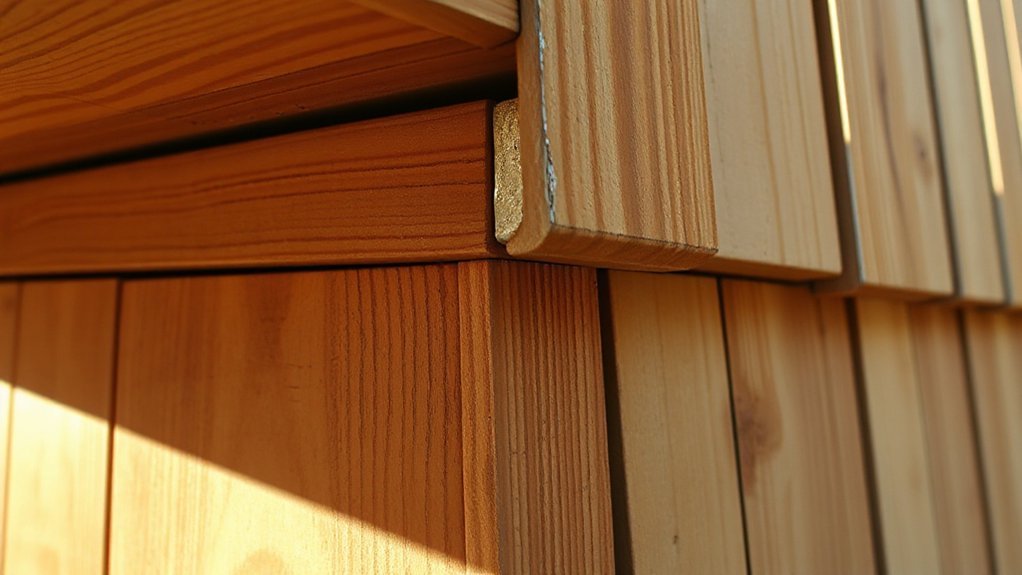
Match tile backing and substrate to your site—balconies, patios, or raised platforms each need different fasteners and spacers. Factor installation timing by coordinating precut pieces, seam alignment, and lighting access.
Balance decking aesthetics with structure needs, and schedule lifting for inspection after heavy rain or frost. Your goal is a stable, safe, and attractive surface.
Longevity And Maintenance
Durability varies by material, but all decking tiles benefit from proper exposure to sun, moisture, and temperature changes. Choosing a tile with the right core and backing makes routine maintenance easier.
In this longevity and maintenance section, you’ll focus on simple upkeep routines that extend life. For composite tiles, expect superior composite durability when you clean regularly, avoid harsh cleaners, and brush off debris after heavy rain.
For wood-based options, apply appropriate wood care products seasonally and reseal as recommended by the manufacturer. Protect tiles from standing water, use mats at entry points, and inspect edges for lifting or warping.
Address stains promptly, and store tiles indoors during extreme weather if possible to preserve color and stability. Regular checks prevent costly repairs later.
Layouts and Patterns for Decking Tiles: Small and Large Spaces
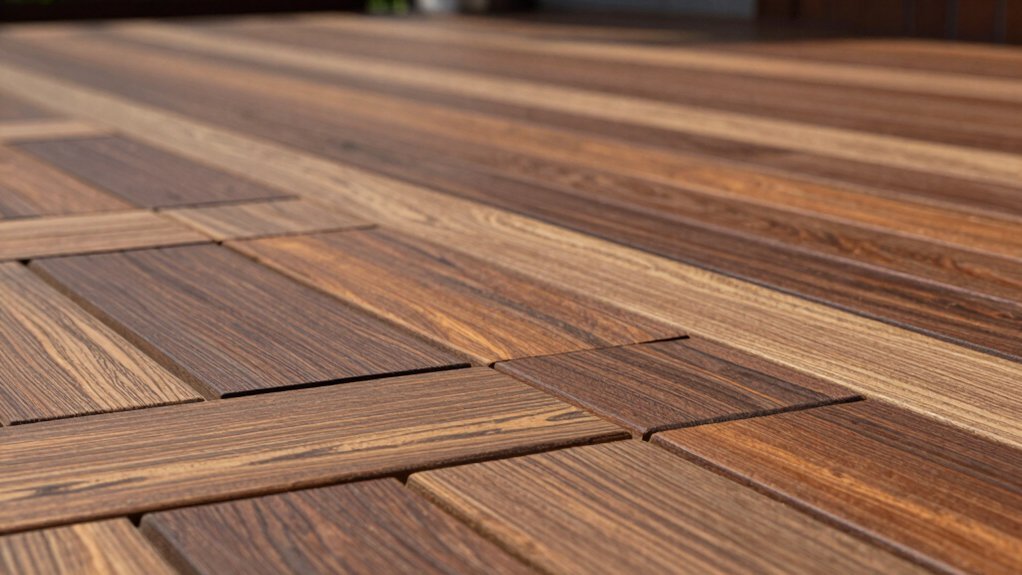
If you’re laying decking tiles in small or large spaces, start by choosing a layout that suits the area’s shape and traffic.
For small patios, consider a tight grid with consistent grout-like joints to maximize surface area and visual order.
In larger decks, use a staggered or running bond pattern to create movement and disguise minor alignment errors.
When selecting pattern options, think about sightlines from doors and seating zones, so transition feel natural.
Use layout design principles like symmetry for formal spaces or asymmetry for contemporary looks.
Keep paths clear and tile edges aligned with boundaries to avoid trips.
Test a few tile samples in daylight, then commit to a layout that balances practicality with your aesthetic goals.
Choosing Decking Tiles for Climate and Budget
Choosing decking tiles that suit your climate and budget starts with a realistic assessment of your outdoor conditions and financial limits. You’ll compare sun exposure, moisture, temperature swings, and wind since these affect tile durability and grip.
For hot, sunny patios, pick UV-stable materials and anti-slip finishes. In damp or coastal spots, prioritize moisture resistance and rot protection. If you have seasonal use, consider lightweight options that install quickly and store easily.
Match budget to expected lifespan by weighing initial cost against maintenance needs. Eco-friendly options reduce long-term impact and often lower upkeep. Budget-friendly choices can still meet performance needs if you select composite or capped options with warranty.
Finally, balance aesthetics with practicality to maximize value and satisfaction.
Installation Tips and Troubleshooting for Decking Tiles
Getting decking tiles to lay smoothly starts with a clean, level surface and a clear plan for layout. Begin by dry-fitting tiles to confirm patterns and spacing, then remove them to prevent smudges on adhesive-ready backs.
If you’re using tile adhesives, apply a thin, even layer per manufacturer guidance, and press tiles firmly to avoid air pockets. For decking patterns, alternate grout-like seams or staggering joints to improve stability and look. Use spacers to maintain uniform gaps if your system relies on framing edges.
Check for high spots or bends in the base; address them before final placement. When a tile sticks inconsistently, lift it, reapply adhesive, and reseat. Allow adequate cure time before light traffic.
Keep a small supply of tiles and adhesive for quick fixes.
Maintenance Essentials: Cleaning, Sealing, and Longevity
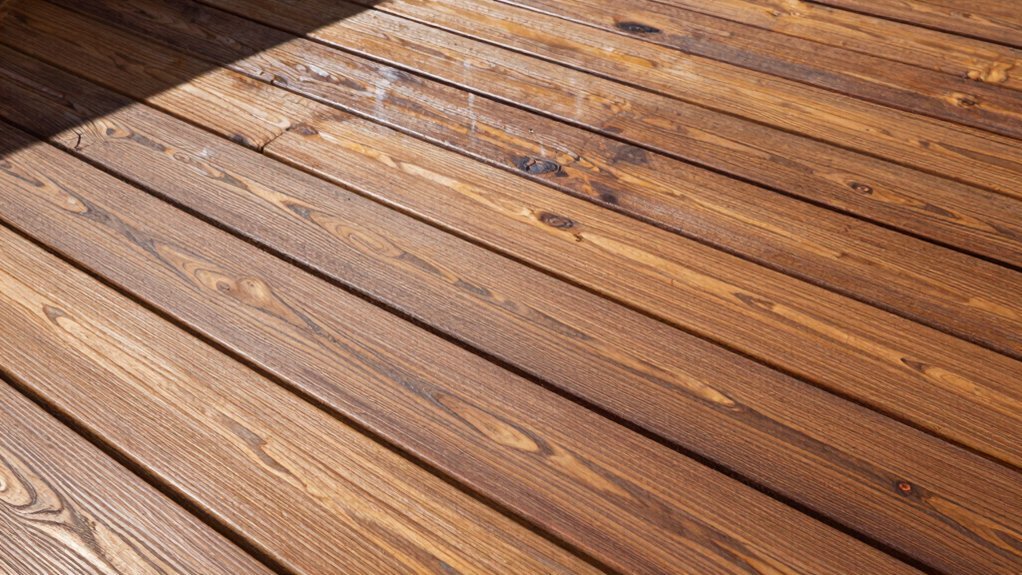
Maintaining decking tiles starts with a simple, consistent routine you can stick to. Start by sweeping regularly to remove dirt, leaves, and debris that can trap moisture.
For stains or buildup, use a mild soap solution and a soft brush, then rinse thoroughly and dry before use. Sealants, if your tiles require them, should be applied per manufacturer instructions, typically after cleaning and drying, to protect against moisture and wear.
Inspect grouts or joints periodically and reseal as needed to extend longevity. Practice pest prevention by keeping the area free of food remnants, trimming nearby vegetation, and addressing standing water promptly.
For aesthetic customization, clean surfaces before applying any decorative finishes and test on a small area first to ensure even rotation and color retention.
Common Mistakes to Avoid With Decking Tiles
Common mistakes with decking tiles can derail your project quickly, so start by avoiding these basics: underestimating surface flatness, skipping moisture checks, and neglecting proper spacing and drainage. You’ll waste effort if you install tiles over uneven concrete or wood that’s prone to moisture buildup. Check for a level, dry base before snapping tiles together, and plan a slight gap for expansion.
Misjudging layout leads to awkward cuts and trips, so map edge lines first. Don’t overlook ventilation under decking tiles, which can affect longevity. Consider garden aesthetics when choosing tones and textures, ensuring color coordination with surroundings. Maintain consistent spacing to promote airflow and dry times after rain. Finally, follow manufacturer guidelines for adhesion and fasteners to prevent shifting.
Frequently Asked Questions
Can Decking Tiles Be Installed Over Grass or Soil?
Yes, you can, but you’ll prep the area first. Lay a stable, level base on grass or soil, then position decking tiles for garden landscaping. This creates solid support for outdoor furniture and protects underlying moisture.
Are Faux-Wood and Real-Wood Tiles Interchangeable?
Yes, you can swap faux-wood and real-wood tiles, but consider synthetic materials for durability. They’ll give a natural appearance, are easier to maintain, and suit moisture-prone areas; just verify matching thickness and substrate compatibility.
How Do I Remove Stains From Composite Tiles?
Stains on composite tiles fade 60% with warm water and mild detergent. You should start with Cleaning techniques like a soft brush, then rinse. For stubborn spots, use a non-abrasive cleaner while considering Material selection for durability.
Do Decking Tiles Require a Solid Substructure?
Decking tiles don’t require a solid substructure in every case, but you should check substructure requirements and installation considerations for your specific tiles. Make certain the base is flat, stable, and clean to avoid movement or gaps.
Are There Weight or Load Limits for Installed Tiles?
Yes, there are weight limits you must follow. You should consult installation guidelines for rated loads, and keep within maintenance requirements to prevent sagging or damage. Stay cautious as you plan, measure, and secure your decking tiles.
Conclusion
Decking tiles give you quick, affordable outdoor upgrades without heavy construction. Measure your space, consider climate, and pick a sturdy, slip‑resistant option. Think about airflow, drainage, and easy setup so you can rearrange as needed. Maintain by cleaning regularly and resealing when required. If you hit small problems, check tiles for lift or gaps and reseat them promptly. It’s like laying a foundation for fresh outdoor living—simple, durable, and ready for use in days rather than weeks.