Disclosure: This post contains affiliate links. As an Amazon Associate, we earn from qualifying purchases.
Decking boards are the sturdy planks you install to create outdoor floors. They come in wood, composite, and alternative materials, each balancing looks, durability, and maintenance. Wood offers beauty but needs sealing; composites resist stains and fading but can be pricier and heat up more in sun. Alternatives like fiber cement or PVC boost longevity. Boards are sized for consistent installation, with finishes and fasteners chosen for exposure. Understanding them helps you plan for climate, cost, and long-term value, and you’ll learn more as you continue.
Decking Boards 101: What They Are and How They Work
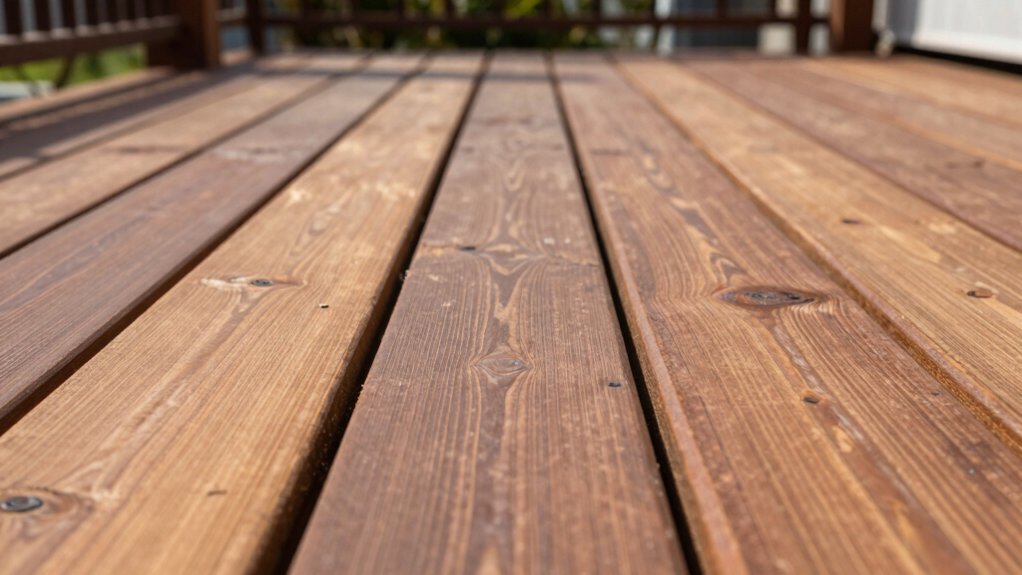
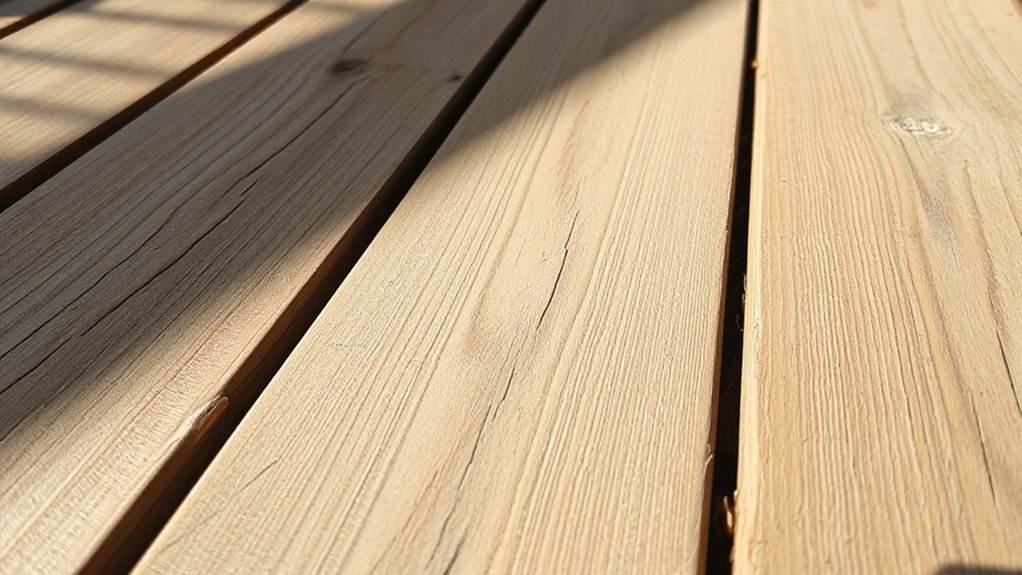
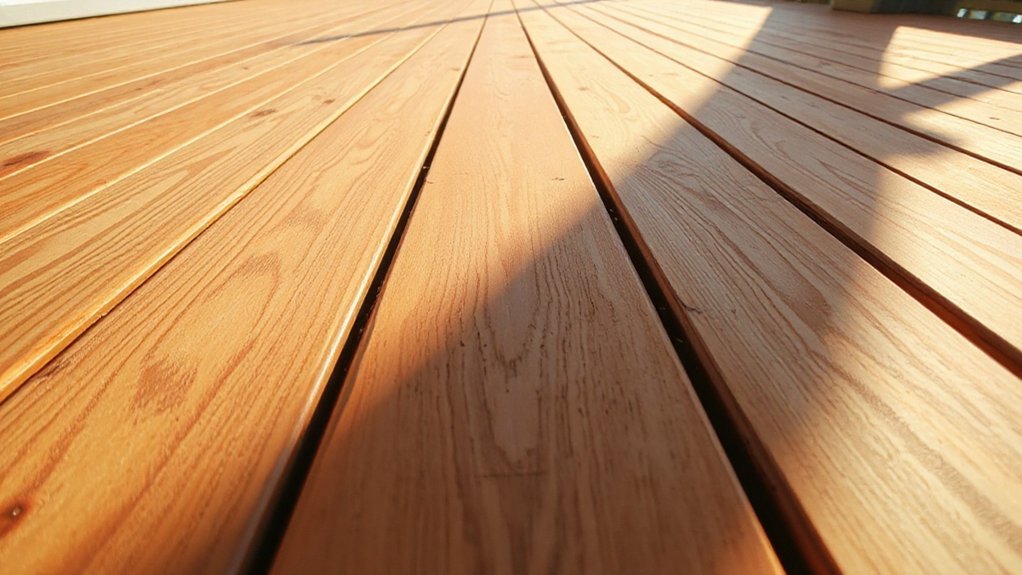
Decking boards are the slats that form outdoor floors, typically made from wood or composite materials. You use these boards to create stable, level surfaces for patios, decks, and walkways. Each board plays a structural role, bearing loads and withstanding weather when properly installed.
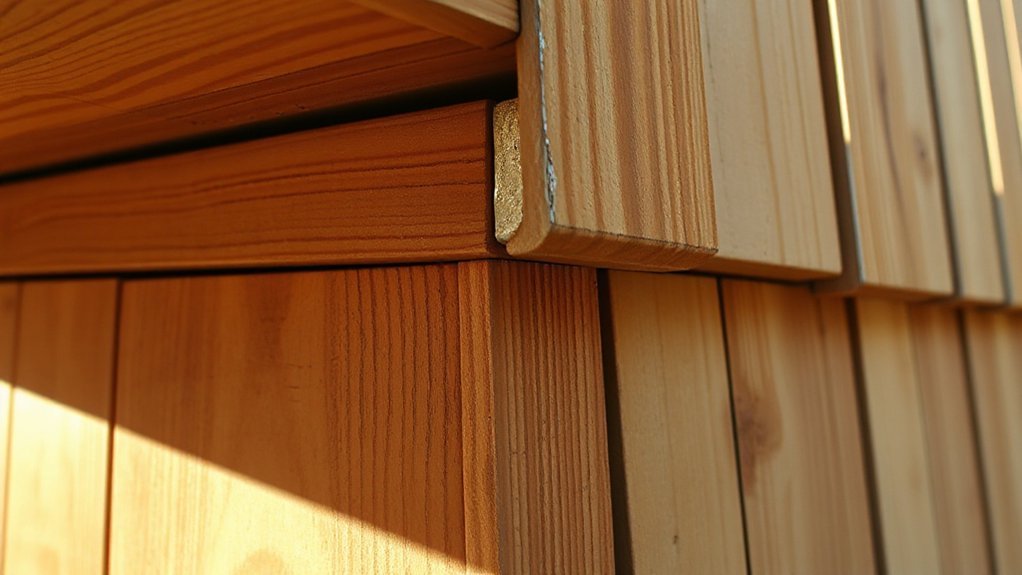
You’ll notice standard dimensions, moisture resistance, and hidden-or-visible fasteners that affect appearance and maintenance. In practice, decking boards expand and contract with temperature, so gaps are intentional for drainage and ventilation.
You select decking styles based on board profile, fastening method, and finish options. Color options influence curb appeal and wear visibility, so you’ll weigh fade resistance and staining compatibility.
Understanding these basics helps you plan spacing, support, and maintenance without overcomplicating the process.
Wood, Composite, or Alternatives: Which Decking Board Suits Your Climate
Choosing the right decking board for your climate hinges on materials, performance, and maintenance expectations. You’ll assess how wood, composite, or alternatives handle heat, humidity, cold, and exposure to sun.
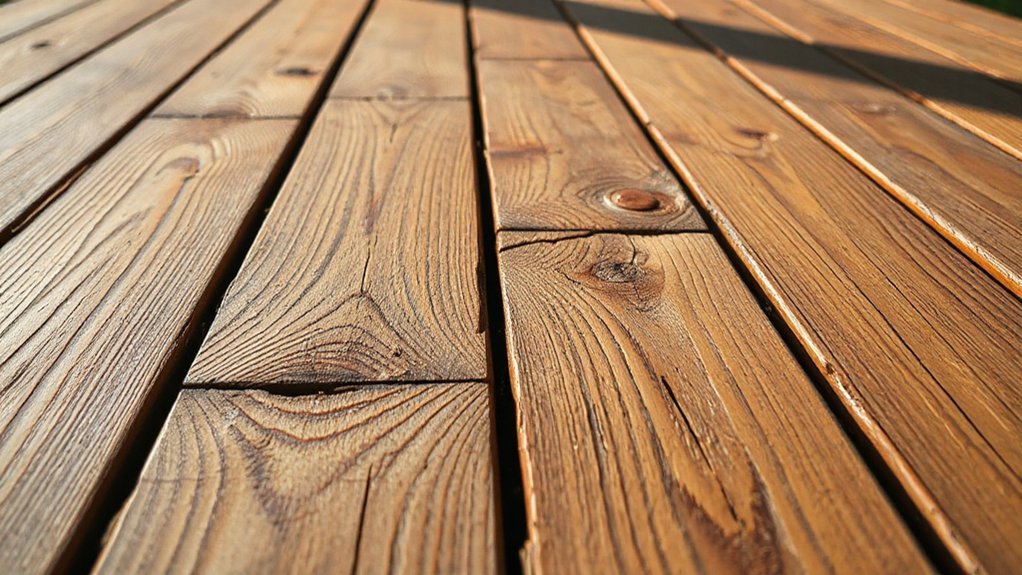
Wood offers natural look and ease of repair but requires regular sealing and can warp in moisture-rich environments.
Composite resists staining and fading and minimizes maintenance, yet may show color variation and heat buildup in hot climates.
Alternatives, like fiber cement or PVC blends, provide durability with low upkeep but can cost more and affect the overall aesthetic appeal.
For garden privacy, consider solid, dense boards or tight-grain patterns that block sightlines better.
Your climate guides moisture management, slip resistance, and long-term upkeep, while your aesthetic goals drive board choice and installation patterns.
How Decking Boards Are Made: Materials, Sizing, and Standards
From raw materials to finished planks, decking boards are shaped by a combination of wood species, engineered fibers, or composites, each selected for the intended balance of strength, appearance, and durability.
You’ll encounter solid wood, processed wood–plastic composites, and polymer blends, all sized to standard widths and thicknesses for consistent installation. Sizing factors include planing, grooving, and edge profiling to reduce warping and improve grip.
Standards cover dimensional tolerances, moisture content, and clasificación for outdoor use, ensuring safety and performance. Sustainable sourcing informs material choices, with certifications guiding responsible harvests and recycled content integration.
Aesthetic options span natural grain, color-stable finishes, and textured surfaces, enabling you to match climate, maintenance needs, and design goals while preserving longevity and curb appeal.
Planning Your Deck: Substructure, Spacing, and Fasteners
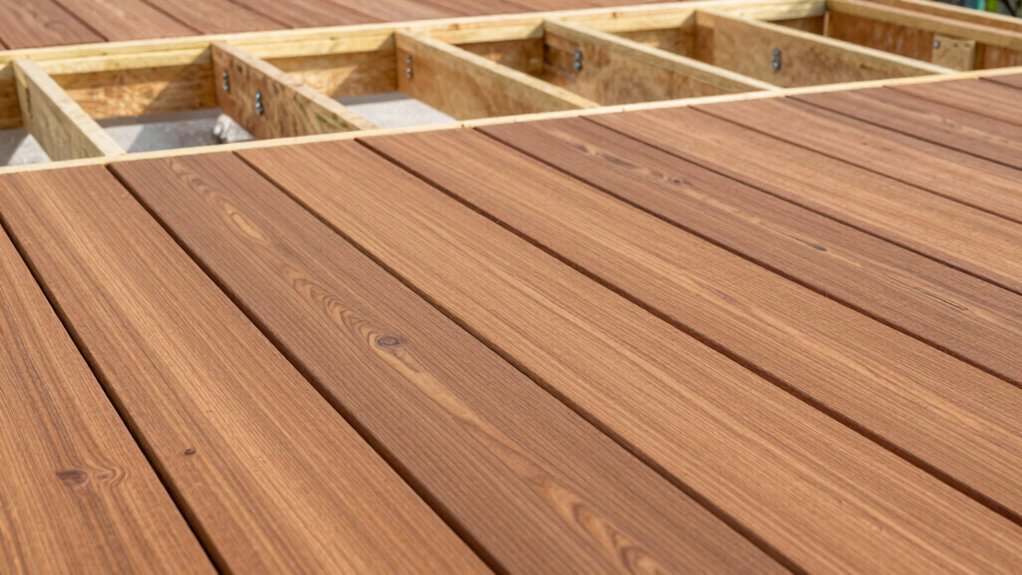
Planning your deck begins with the substructure: select a solid framing system, determine span limits, and set a level foundation that supports future boards and loads.
You’ll design a durable decking substructure by choosing appropriate joists, beams, and posts that transfer weight evenly to the ground. Consider spacing between supports to match anticipated loads and local code requirements, ensuring stability over time.
Align joist framing to the decking pattern and site shape for uniform appearance and performance. Maintain clear drainage and ventilation under the boards to prevent moisture buildup.
Use precise measurements and level surfaces to avoid uneven board gaps that can loosen over time. Note that spacing fasteners play a pivotal role in secure, long-lasting installations, while you evaluate fastener types in the next topic.
Choosing the Right Fasteners for Decking Boards
When you choose fasteners, consider material options that resist corrosion and fit your climate and wood type.
Weigh hidden versus visible fixings for aesthetics, seal integrity, and ease of installation.
Follow best practices for spacing, driving depth, and sequencing to assure a long-lasting, stable deck.
Fastener Material Choices
Choosing the right fastener material is essential for durable, lasting decking. You’ll choose based on exposure, substrate, and load.
Stainless steel offers excellent corrosion resistance and high strength, making it ideal for coastal or wet environments.
Aluminum is lightweight and resistant to corrosion but may lack holding power in dense woods or heavy use.
Galvanized steel provides affordability and decent corrosion resistance in dry locations, yet it can deteriorate in salt air or humid conditions.
Weather resistance matters, so consider polymer-coated fasteners for additional protection without adding significant bulk.
Wood compatibility matters too; match fastener types to board species to avoid staining or movement.
Always verify manufacturer recommendations for fastener types and corrosion resistance to ensure board integrity and a clean, secure finish.
Hidden vs Visible Fixings
Hidden fixings offer a clean, seamless look by concealing fasteners beneath the deck surface, while visible screws or nails provide quick inspection and simpler installation.
When choosing fasteners, consider board material, spacing, and environmental exposure.
Hidden fasteners reduce surface splinters and create a uniform finish, but can be harder to install and replace. They’re common with decking systems designed for concealed mounting and often require specific clips or grooved boards.
Visible nails or screws simplify installation and allow easy access for maintenance. If you expect frequent repairs or adjustments, visible nails may be preferable, though they can show wear over time.
In dry climates, hidden fasteners minimize movement gaps; in high-traffic areas, durability and corrosion resistance matter for both approaches.
Ultimately, select based on permanence, maintenance needs, and deck design goals.
Installation Best Practices
Selecting the right fasteners for decking boards comes down to material compatibility, climate, and how you plan to use the deck.
You’ll choose fastener type based on board material (softwood, hardwood, composite), density, and exposure. For wood, opt for corrosion-resistant stainless or hot-dip galvanized steel; for composites, use stainless or coated stainless to minimize staining.
Consider installation method: hidden or visible fixings affect strength and deck aesthetics. Use the recommended screw length to achieve proper bite without risking mushrooming or splitting.
Pay attention to spacing, centering, and predrilling where needed to prevent board distortion. Climate impacts fastener performance—salt air, humidity, or freeze–thaw cycles may require higher corrosion resistance.
Finally, assess environmental impact by selecting low-VOC finishes and sustainably sourced materials.
Finishes and Treatments That Prolong Deck Life
Sealing and treating deck boards protects them from moisture, sunlight, and fungi, extending their life and reducing maintenance. You’ll choose finishes based on climate, exposure, and desired look, balancing protection with aesthetics.
Clear sealers preserve natural grain, while tinted options hide gray patina and highlight decking aesthetics. Apply compatible products in thin, even coats to prevent tackiness and uneven color. Reapply per manufacturer guidelines, typically every 1–3 years, or when water no longer beads.
Consider semi-transparent or solid stains for added UV resistance and uniform appearance, especially on softer woods. Pressure-treated stock may require longer cure times before finishing.
Mind environmental impact by selecting low-VOC formulas and proper disposal. Regular cleaning, debris removal, and prompt repairs help maintain safety and value without excessive maintenance.
Pros and Cons by Material: Wood vs. Composite vs. Alternatives
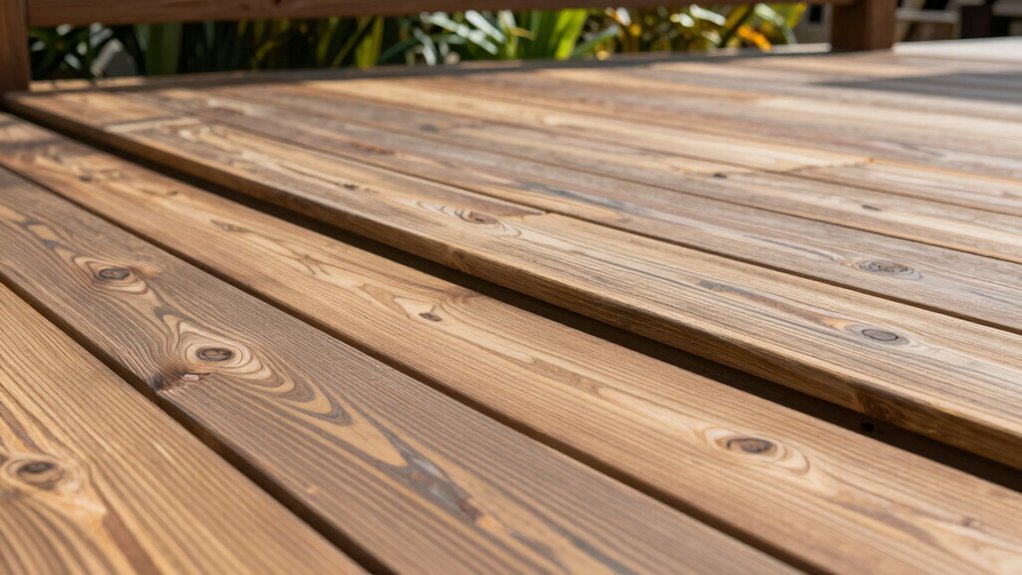
Wood decking choices balance cost, durability, and maintenance. You compare materials by life cycle, upfront price, and required care, then weigh performance against expectations.
Wood options offer natural beauty and lower initial cost, yet demand regular sealing and finish upkeep to prevent weathering and stain.
Composite boards reduce maintenance, resist fading, and resist rot, but can cost more upfront and may show color variation or surface wear over time.
Alternatives, like sustainable options and eco friendly materials, emphasize recycled content or responsible sourcing, often needing less upkeep but sometimes sacrificing heat resistance or grip when wet.
Consider environmental impact, availability, and local climate.
Your best choice aligns with budget, long‑term use, and desired maintenance level.
Climate, Maintenance, and Longevity: Factor Your Environment In
Your climate shapes what you can expect from your decking over time, so start by evaluating how temperature, humidity, and weather patterns affect materials.
Regular maintenance—cleaning, sealing, and inspections—helps prevent early wear and preserves longevity.
Climate Considerations
Weather and climate shape how decking performs. In hot, humid, or freezing conditions, you’ll see expansion, contraction, and potential warping when boards aren’t matched to your environment. Choose species and composites with proven stability and low moisture uptake to minimize seasonal movement.
Consider sun exposure: UV can fade surfaces, so select eco friendly finishes that resist color change while remaining low in VOCs.
Wind and salt spray influence your board ends and fasteners, so use corrosion-resistant hardware and sealing strategies that suit coastal or exposed sites.
For sustainability, prioritize sustainable sourcing and materials with standardized durability.
Maintenance cycles align with climate: your plan should balance cleaning, drainage, and periodic coatings without over-processing.
In short, tailor decking to your climate to optimize longevity and performance.
Maintenance Impacts Longevity
Climate and maintenance choices together shape how long decking lasts. Your upkeep directly affects board integrity, color, and safety, so small routines compound over years.
Regular cleaning prevents grime buildup that hides moisture damage and mold growth, while timely stain or sealant refreshes a protective barrier. Schedule maintenance to align with seasonal weather patterns, since exposure cycles stress boards differently.
Inspect for warping, loose fasteners, and splits, and address issues before they worsen. Proper drainage and clearance reduce standing water, a key factor in longevity.
Incorporate pest prevention measures to deter wood-destroying insects that weaken structure. Use compatible products and follow manufacturer guidance to avoid voids in warranties.
Thoughtful maintenance extends lifespan, enhances appearance, and minimizes costly replacements.
Upfront Costs and Long-Term Value of Decking Boards
Upfront costs for decking boards vary by material, size, and installation method, but the initial investment often sets the baseline for long‑term value. You’ll weigh material prices, labor, and potential permits, yet you should view value through lifecycle costs like maintenance, replacement intervals, and energy efficiency.
Composite and sustainable options may carry higher upfronts but often prove cost‑effective over time through reduced staining and brighter resale appeal. Budget for fasteners, joists, and hidden fixings to prevent overrun.
Consider installation tips that minimize waste and speed up setup, and compare warranties to gauge reliability. Evaluate decking trends—color, texture, and moisture resistance—to forecast future resale appeal.
Your goal: a durable, low‑maintenance deck that preserves aesthetic and functional value long after installation.
How to Evaluate Quality and Durability in Decking Boards
When you assess decking boards, start by checking material composition to balance strength and resistance with cost.
Look for fixing sturdiness and wear resistance to make sure the surface holds up under foot traffic and weather.
This quick check sets the baseline for durability over time.
Material Composition Longevity
Material composition largely determines a decking board’s longevity, so you should assess both the core material and any coatings or treatments. You’ll compare natural wood, engineered composites, and high-density alternatives for rot resistance, stability, and wear performance.
Look for non-toxic, durable coatings and provenance claims that support long-term durability without frequent refinishing. Consider how each option responds to moisture, temperature changes, and UV exposure, and how additives influence aging and maintenance needs.
Sustainability matters: check for sustainable sourcing and certification labels, and verify that manufacturing processes minimize waste and emissions. Eco-friendly finishes can extend life by reducing surface degradation, but ensure compatibility with the chosen substrate.
Finally, match material choice to climate, foot traffic, and maintenance capacity to maximize overall lifespan.
Fixing Sturdiness And Wear
How do you gauge decking board sturdiness and wear before buying? You inspect boards for consistent thickness and straightness, avoiding warp or bow. Check edge alignment, surface finish, and grain uniformity; flaws signal potential weakness. Tap each board gently to listen for hollow spots, and press to detect soft or spongy areas.
Compare weight and density, as heavier boards often resist denting and moisture damage. Review warranty terms and supplier scores, noting treatment compatibility with your climate. Consider wear resistance: dense hardwoods and properly treated composites typically endure foot traffic longer.
Prioritize safety precautions, like non-slip surfaces and proper fasteners, to prevent accidents. For aesthetics, select finishes that complement your design while maintaining durability. Use this approach to balance longevity with visual appeal, ensuring stable, attractive outdoor spaces.
Frequently Asked Questions
Can I Install Decking Boards Myself or Need a Pro?
You can install decking boards yourself, but weigh DIY installation against Professional help. If you have general carpentry skills and tools, you’ll likely succeed; otherwise, consider pros for safety, warranty, and precise alignment.
How Do I Prevent Warping or Cupping Over Time?
To prevent warping or cupping, you should implement proper moisture control and wood treatment. Use gap spacing, sealants, and vented drainage, monitor humidity, and apply preservatives to reduce moisture uptake and keep boards stable over time.
Are Recycled Materials as Durable as Virgin Ones?
Yes, recycled materials can be as durable as virgin ones, especially with proper processing. You’ll gain environmental benefits, and the recycling process has advanced to produce competitive performance, addressing most durability concerns right from the start.
What Affects Deck Board Expansion With Weather Changes?
Weather effects cause deck board expansion: as temps rise, boards expand; as temps drop, they contract. You’ll see gaps or buckling if fasteners aren’t adjusted. Materials with higher moisture absorption exhibit greater expansion under humid or wet conditions.
Do I Need a Warranty for Decking Boards?
Warranty isn’t mandatory, but you’ll benefit from it. You’ll want coverage for defectives and fixes after installation. Coincidentally, proper decking maintenance protects decking aesthetics and longevity, tying warranties to ongoing upkeep rather than one-off costs.
Conclusion
In short, decking boards aren’t magical planks that fix your life. You’ll choose wood, composite, or alternatives, weigh climate, upkeep, and cost, and pretend you’re making a timeless, perfect choice. Spoiler: no material survives neglect without maintenance. So pick what fits your budget, climate, and patience, then actually maintain it. If you pretend otherwise, you’ll be shocked—shocked!—to learn your “premium” boards aren’t premium after a Midwest winter or a coastal salt spray.