Disclosure: This post contains affiliate links. As an Amazon Associate, we earn from qualifying purchases.
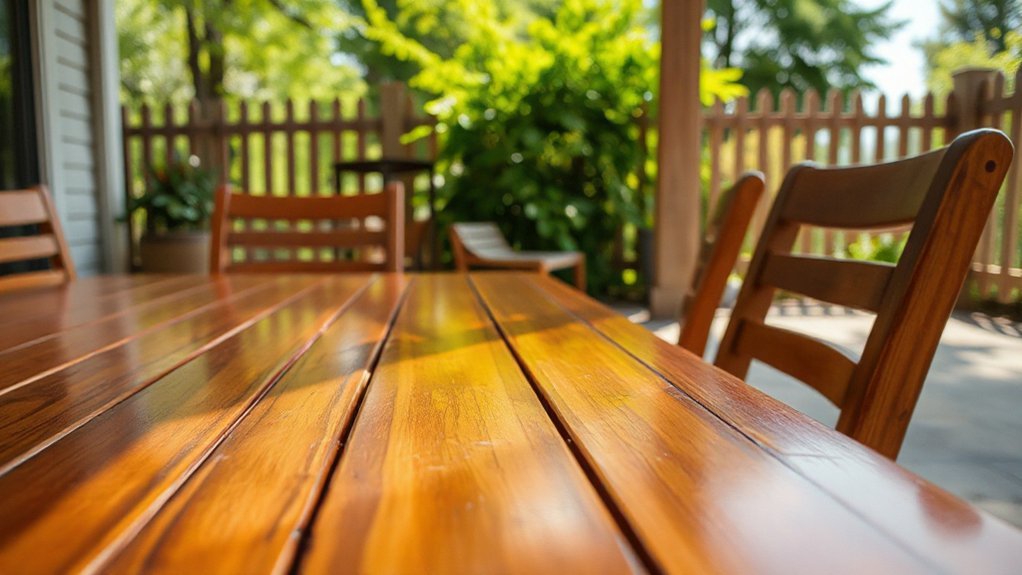
Yes—decking oil works great on outdoor furniture. It penetrates the wood, enhances grain, and provides a breathable, water-repellent layer that helps resist UV damage and wear. You’ll get a natural look without a heavy film, and reapplication is relatively straightforward when the finish fades or beads lessen. Just prep the surface, apply a thin coat with the grain, and recoat as needed. If you keep going, you’ll discover more tips and tweaks you can use.
What Decking Oil Is and How It Protects Outdoor Wood
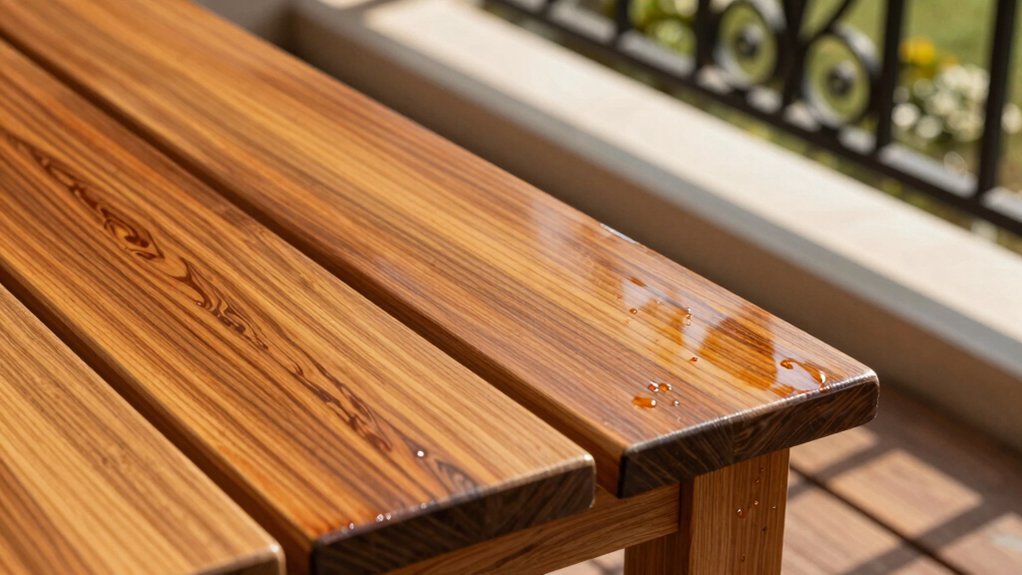
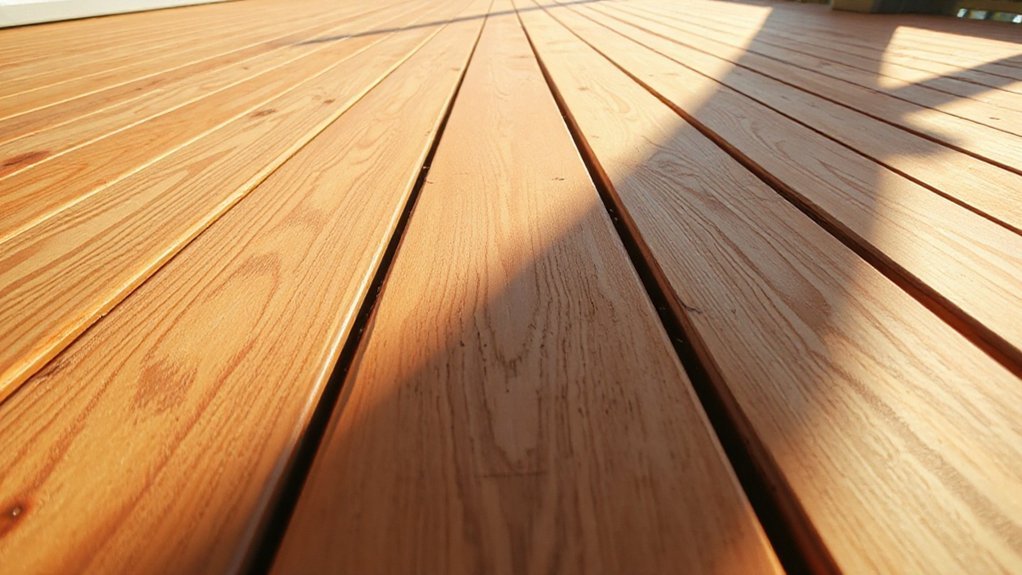
Decking oil is a protective finish designed for outdoor wood. You apply it to penetrating the surface, forming a breathable seal that guards against moisture and sun. This isn’t a plastic coating; it soaks in, enhancing grain while leaving a natural look.
By creating a water-repellent layer, it slows color fading and reduces surface cracking, so boards stay smoother longer. The oil nourishes fibers, helping resist drying and splitting, which lowers maintenance needs.
Look for formulas with resin or drying oils that resist UV damage and mildew. Regular reapplication keeps the barrier intact, especially after cleaning or weather exposure.
It’s practical when you want to preserve appearance without masking texture. For mold resistance, ensure surfaces are clean and dry before re-oiling.
Decking Oil vs. Outdoor Furniture Finishes: When to Choose
Choosing between decking oil and outdoor furniture finishes depends on what you’re protecting and how you want the wood to look.
If you’re after a natural, tactile feel that highlights grain patterns, decking oil is often your best bet, providing penetrating protection without a heavy film. It enhances texture and color subtly while allowing the wood to breathe and age gracefully.
Conversely, outdoor furniture finishes—especially varnishes, polyurethanes, or paints—create a durable, uniform surface that resists moisture and abrasion, but may mute grain patterns and reduce color variation.
Use finishes when you need long-term film protection and a consistent appearance. For frequent weather exposure, oil-based products simplify maintenance and reapplication.
Choosing the Right Decking Oil for Outdoor Furniture
Start by checking surface compatibility with your furniture material, as different woods and composites react differently to oils.
Consider finish longevity factors like UV resistance and wear expectations to pick an oil that protects without frequent reapplication.
Then review application techniques, including prep, thin coats, and drying times, so you can apply confidently and achieve a durable, natural look.
Surface Compatibility Check
When selecting a decking oil for outdoor furniture, you must first verify that the product is compatible with your wood type and existing finishes. Surface compatibility means checking both the oil’s compatibility with the substrate and its adhesion to any coatings already present.
Inspect surface condition: no peeling, cracks, or raised grain, and ensure the wood is clean and dry. Prioritize products that list your wood species and finish compatibility on the label or datasheet.
Perform a small test on an inconspicuous area to confirm even absorption and finish uniformity. Note any change in color or sheen, which signals compatibility issues. Document results for future reference.
Pay attention to material compatibility and perform thorough surface preparation before full application to avoid uneven coverage.
Finish Longevity Factors
Finish longevity hinges on knowing how the oil behaves over time under outdoor conditions. When you choose a decking oil, look for a formula that forms a durable film with minimal fading.
Weather resistance matters most: seek oils with UV blockers and water repellents to slow graining, cracking, and mold growth. Consider the oil’s film thickness and drying time, which affect upkeep intervals and wear resistance.
Color preservation is another key factor; some blends maintain tone longer, resisting sun bleaching. Check compatibility with your wood species and existing finishes to prevent peeling.
Application frequency hinges on exposure, cleaning routine, and climate. Select a product that balances protection and appearance, so your furniture remains inviting, smooth, and easy to refresh between seasons.
Application Techniques Guide
Choosing the right decking oil starts with preparation and technique. To get consistent results, clean the furniture thoroughly and remove old coatings before applying any product.
Select an oil with appropriate drying times and UV protection, then test on a hidden spot to confirm color response.
Apply thin, even coats along the grain, using a brush, cloth, or sponge, and wipe off excess to prevent sticky residue.
Between coats, sand lightly to improve adhesion and allow full curing.
Consider color matching with nearby wood tones or furniture accents, aiming for a natural look or desired contrast.
Monitor environmental impact by choosing low-VOC formulations and limiting applications in extreme conditions.
Finally, document maintenance intervals to sustain protection and long-term appearance.
Step-by-Step: Applying Decking Oil to Outdoor Furniture
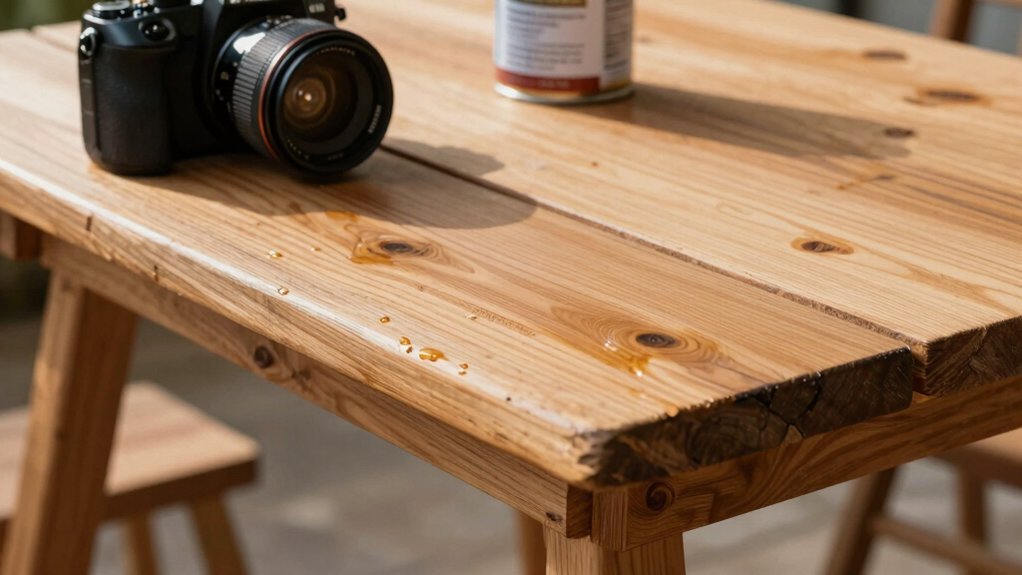
Now that you’re ready to apply decking oil, start with quick surface prep to remove dust, dirt, and old finishes, so the oil penetrates evenly.
Then follow clear application techniques, using even strokes and mindful blotting to avoid puddling.
We’ll cover each prep step and technique in detail so you can get a smooth, durable finish on all your outdoor furniture.
Surface Prep Steps
To prep your outdoor furniture for decking oil, start with a clear plan: inspect each piece for loose joints, peeling finish, or warped boards, and gather your supplies before you begin.
Clean the surface thoroughly to remove dust, dirt, and stains, using a mild soap solution and a soft brush. Dry completely, then sand lightly with fine-grit paper to smooth rough spots and expose fresh wood grain.
Remove hardware and mask any areas you don’t want finished. Wipe away dust with a tack cloth, ensuring a pristine, even base.
Check for structural issues and repair as needed before finishing.
Apply the oil in thin, even coats, following the wood grain to maximize weather resistance and preserve natural color. Allow each coat to cure fully before use.
Application Techniques Guide
To apply decking oil on outdoor furniture, start with clean, dry wood and work in thin, even coats along the grain.
Choose a product suited for outdoor use and test a hidden spot for color matching before full application.
Apply a light first pass, then wipe off excess after a few minutes to reduce splotching.
Maintain steady, overlapping strokes to avoid lap marks, and follow the grain direction for best penetration.
Allow each coat to dry fully, typically 4–6 hours, before applying a second coat if needed.
Protect surrounding surfaces and ventilation, and store leftovers sealed tightly.
Consider environmental impacts by choosing low-VOC formulas.
Plan maintenance intervals based on exposure and wear, reapplying as needed to preserve color, finish, and wood health.
Common Failures and How Decking Oil Performs on Furniture
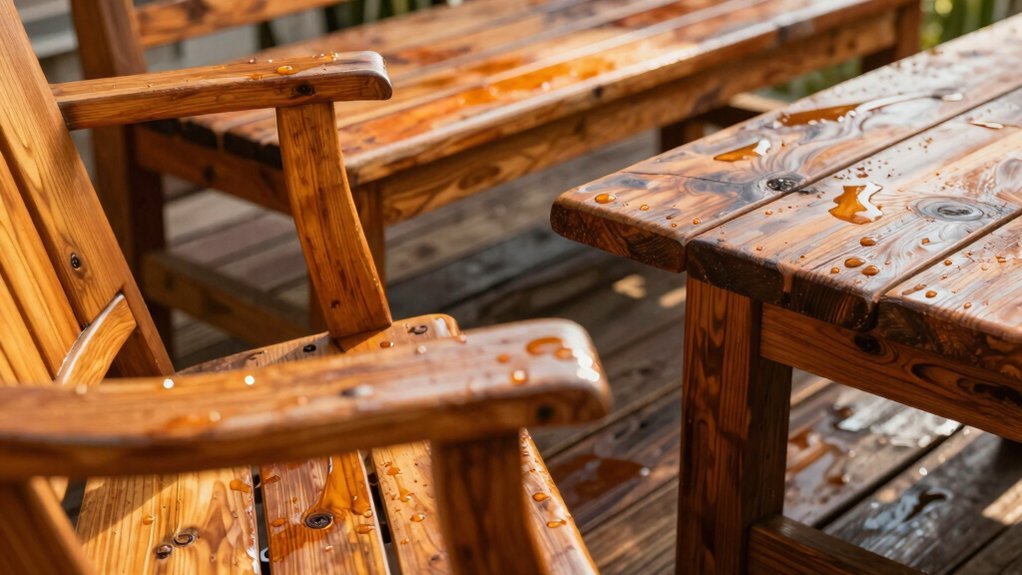
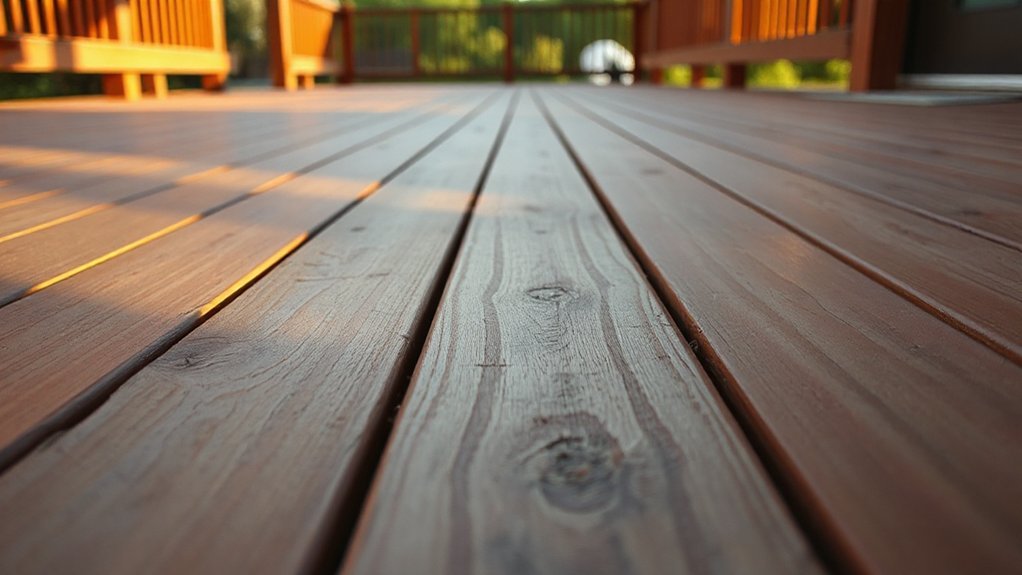
Likely issues with decking oil on outdoor furniture arise from sun, moisture, and wear, which can cause fading, muddiness, or uneven finish. You’ll see color drift where dark tones wash out or lighter areas remain unchanged, especially on verticals versus horizontals.
Common failures include insufficient penetration, which leaves a film that peels or chips, and surface whitewashing from trapped moisture. You may also notice uneven gloss, dull spots, or fiber raising due to wood movement.
When oil performs, it seals, enhances wood grain without obscuring detail, and offers subtle color enhancement that deepens natural tones. Proper application, even coats, and adequate cure time are key to predictable results.
If issues occur, reassess substrate cleanliness and environmental conditions before re-coating.
Maintenance and Recoating for Oil-Treated Outdoor Furniture
Maintenance and recoating are straightforward when you plan ahead. To maintain color and protection, inspect your furniture every season and clean first to remove dirt and oils.
Lightly sand any rough spots, then wipe away dust. Apply a fresh coat of decking oil evenly, following the wood grain for best penetration and appearance.
Recoat when the finish shows fading, cracking, or loss of water beading; this helps preserve weather resistance over time. Use thin, even layers rather than heavy applications to avoid puddling and sticky surfaces.
Allow proper drying between coats, usually 24 hours, and cap all ends to minimize moisture uptake. Regular maintenance keeps the wood grain clear and enhances weather resistance, extending life and reducing major restoration later.
Troubleshooting and Long-Term Care for Oil-Finished Furniture
If you notice uneven color, tackiness, or water no longer beads as it should, start troubleshooting by checking for surface dirt, then re-clean and lightly sand rough spots before reapplying a fresh, thin coat that follows the grain.
Long-term care is about consistency and protection. Clean and reseal every one to two seasons, depending on exposure; avoid thick coatings that crack. Maintain a steady maintenance interval and monitor for sun damage and moisture intrusion.
For outdoor spaces, plan with garden design in mind: use UV-friendly oils and schedule reapplication around seasonal patterns.
If you notice fading around hinges or hardware, wipe with mineral spirits, lightly sand, and recoat. Pair furniture with outdoor lighting to even out appearance and reveal wood tone evenly.
Frequently Asked Questions
Can Decking Oil Alter Color on Certain Wood Species?
Yes, decking oil can alter color on certain wood species. You’ll notice wood grain depth and color enhancement as oils soak in, sharpening contrast and bringing out richer tones while keeping natural texture visible. Test first, apply evenly, monitor finish.
Is Decking Oil Safe for Food-Contact Outdoor Furniture?
Yes, decking oil isn’t food-safe for contact with surfaces. For food-contact outdoor furniture, avoid it; instead, use food-safe sealants. It protects surface durability while ensuring safe, clean surfaces for meals and gatherings. Surface safety matters more than aesthetics.
How Long Does Scent From Decking Oil Linger Outdoors?
The outdoor scent from decking oil typically lingers for days to a couple weeks, depending on weather and ventilation. For best decking maintenance, ventilate well and allow proper cure time to reduce outdoor scent longevity.
Can Decking Oil Be Steamed After Application?
No, you shouldn’t steam decking oil after application. Let it cure, then assess wood grain enhancement and weatherproofing effectiveness; steaming can damage finish. If needed, recoat lightly to boost durability and outdoor longevity.
Does Oiling Outdoor Furniture Void Furniture Warranties?
Oiling outdoor furniture can affect warranty terms. You should check the fine print, as warranty implications vary by brand. Confirm Product compatibility with the finish, environmental exposure, and maintenance steps to avoid voiding coverage. Always confirm with the manufacturer.
Conclusion
Yes, you can use decking oil on outdoor furniture, but treat it like a bold, weatherproof cape for your wood. It’s not end-all; some woods love it, others need a proper stain or sealant later. Apply thin, even coats, wipe excess, and recoat as recommended. Expect longer life, richer color, and fewer splinters—or watch color drift if you skip maintenance. When in doubt, test on a hidden area first and follow manufacturer guidance for best results.