Disclosure: This post contains affiliate links. As an Amazon Associate, we earn from qualifying purchases.
Composite decking can be slip-prone when wet or icy, but performance varies by type. Wood-based blends offer higher initial dry friction that degrades with wear and moisture, while plastic-based composites maintain more consistent traction thanks to engineered textures and stabilizers. Surface texture, drainage, and finish greatly affect grip, and extreme heat or debris can alter slipperiness. Regular cleaning and anti-slip options help. If you want specifics, you’ll discover more factors that influence grip as you continue.
Why Wet or Icy Decking Becomes Slippery
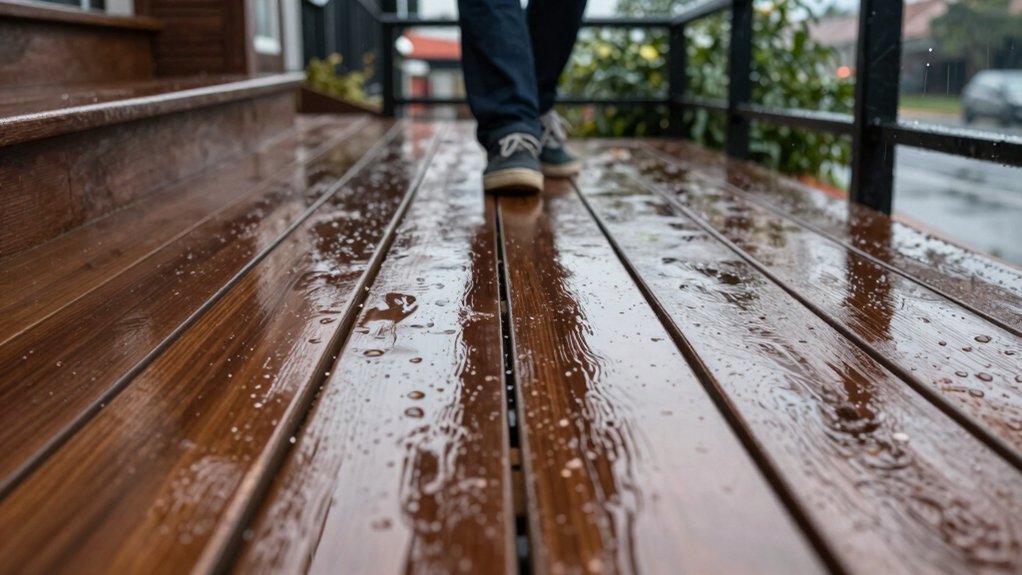
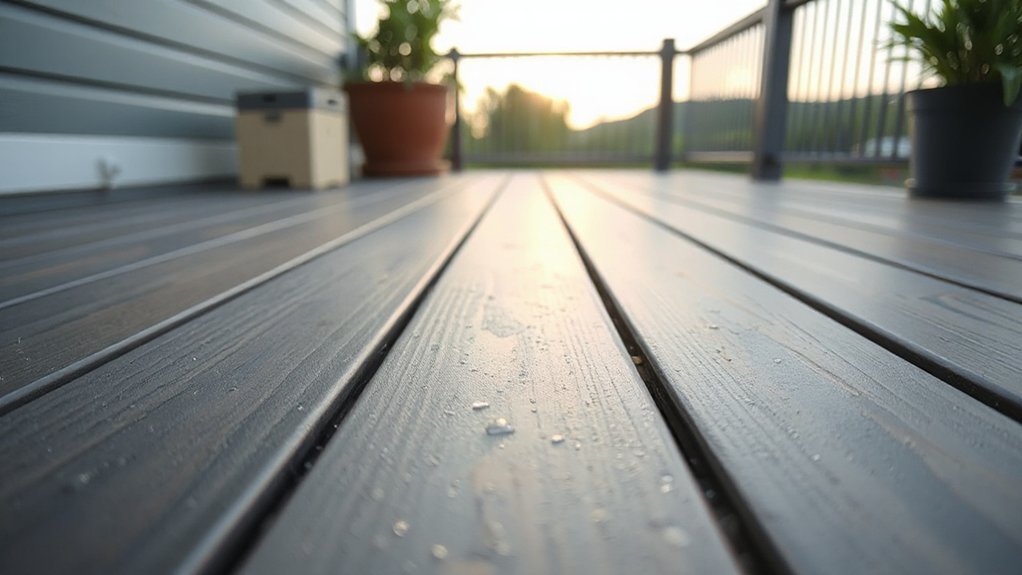
When water or ice present on composite decking, friction between the surface and a shoe or bare foot drops, increasing the risk of a slip. You observe that moisture alters contact mechanics, reducing shear resistance and elevating the potential for slip initiation.
In this context, surface energy, micro-roughness, and the polymer blend govern traction behavior under wet or icy conditions. You’ll note that decking aesthetics influence perceived safety, yet the physical response hinges on material properties and finish.
Material longevity informs how well a coating, cap layer, or textured pattern maintains traction over time, resisting wear that would otherwise compound slipperiness. You evaluate performance by comparing coefficient of friction data and durability, ensuring that chosen profiles sustain grip without compromising structural integrity or visual appeal.
How Surface Texture Affects Traction
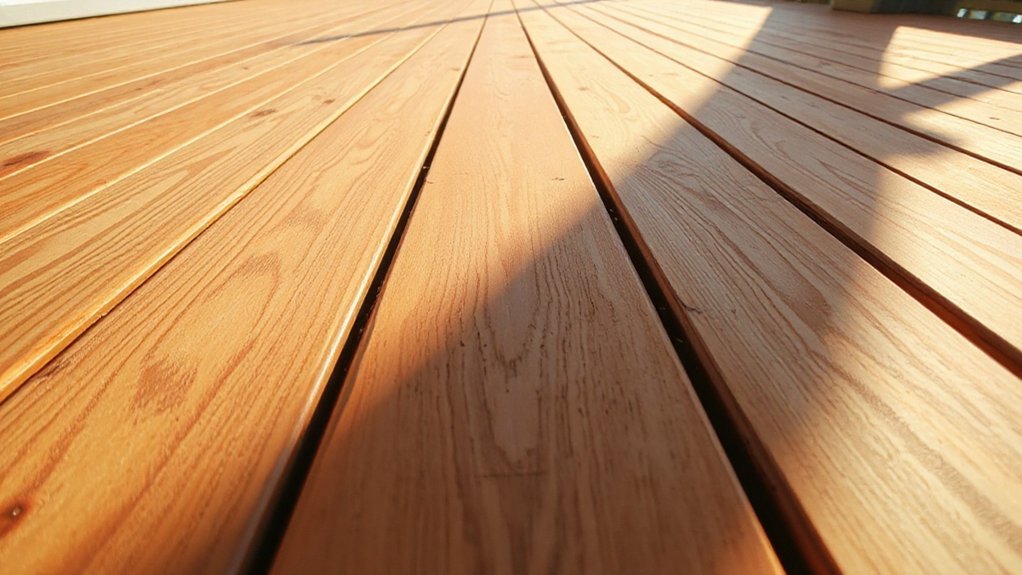
Surface texture directly shapes traction by shaping contact area, micro-geometry, and how contaminants are managed at the interface. You evaluate how asperities, ridges, and grooves alter the real contact fraction between tread and surface, influencing friction paths and energy dissipation.
Surface roughness governs contact quality: higher roughness can increase interlocking but may trap debris, while excessive roughness reduces effective contact area and may induce localized shear.
Traction depends on both macro- and micro-texture, balancing water drainage, air entrainment, and contaminant shedding. You assess slip resistance by measuring friction coefficients under representative loads and moisture states, noting texture durability under wear.
Informed texture selection optimizes predictable performance, minimizes variation, and supports consistent grip across wet and dry conditions.
Wood-Based vs. Plastic-Based Composites: Which Grip Better
Wood-based and plastic-based composites exhibit distinct grip profiles under similar conditions, with surface composition, texture, and wear behavior driving differences in traction.
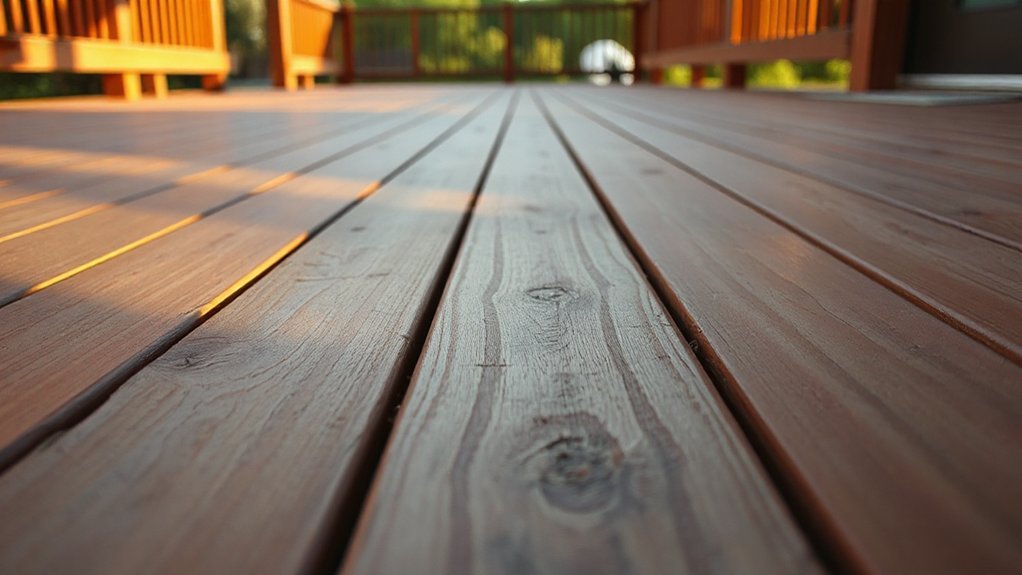
You’ll notice that wood-based formulations often offer higher initial friction in dry states due to natural roughness, yet can show accelerated slipperiness when worn or wet.
Plastic-based options tend to maintain more consistent friction through the life of the deck, thanks to engineered textures and stabilizers, though some surfaces may feel slick when glazed or polished.
Your choice also factors in deck color, which can affect perceived grip and UV degradation in sun exposure.
Installation cost typically favors wood-based systems for straightforward, conventional framing, while plastic-based boards incur higher material costs but reduce maintenance.
Balance maintenance expectations with traction needs when selecting materials.
Cleaning, Maintenance, and Anti-Slip Options That Work
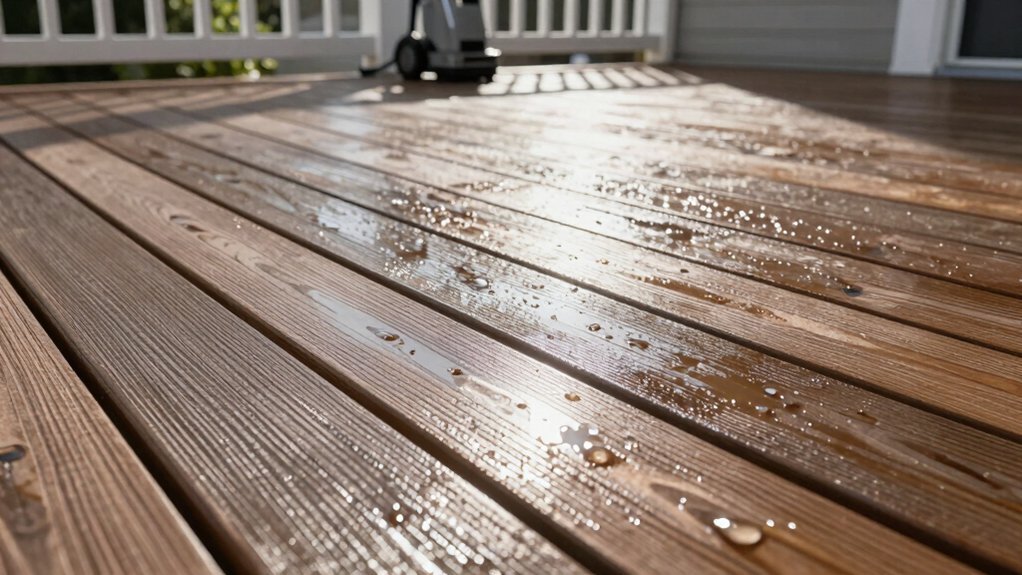
Keeping grip over time hinges on how you clean, maintain, and manage anti-slip measures after installation. You assess cleaning protocols by material, avoiding harsh abrasives that score decking materials and reduce traction. Use mild detergents with a soft brush; rinse thoroughly to prevent residue that can become slick.
Regular inspection for wear, mold, or algae informs targeted maintenance; treat affected zones with approved cleaners. Anti-slip options should be evidence-based: insert slip-resistant profiles, non-slip coatings, or reversible surface treatments chosen for compatibility with decking materials and aesthetic appeal. Avoid over-treatment that alters appearance or introduce slick compounds.
Weather exposure, foot traffic, and debris accumulation guide frequency. Document results, adjust schedules, and balance safety with durability, preserving aesthetic appeal while sustaining functional traction across seasons.
Practical, Year-Round Safety Tips That Keep Your Deck Stylish
You’ll implement year-round traction by combining reliable traction aids with proactive maintenance, ensuring footing remains consistent across seasons.
We’ll assess how each aid performs under temperature fluctuations, humidity, and surface wear to maintain control without compromising aesthetics.
This discussion starts with measurable safety gains and ends with practical, style-conscious choices that support both grip and deck presentation.
Traction Through Traction Aids
Traction aids provide measurable improvements in slip resistance for composite decking, especially in wet or icy conditions. You’ll evaluate mats, strips, and coatings by friction metrics, durability, and compatibility with decking aesthetics. Focus on surface profiles that maintain traction without altering appearance, and verify non-slip claims under submerged and pedestrian loads.
Regular maintenance schedules impact effectiveness: clean to prevent slick film formation, reapply coatings as wear studies indicate, and inspect fasteners for trip hazards. Consider material cost versus lifespan; initial savings may be offset by frequent reapplication or replacement.
Test performance across temperature swings to ensure consistent grip; note that certain adhesives can degrade UV exposure. Balance safety gains with long-term aesthetics, avoiding bulky aids that disrupt sightlines or inviting foot traffic near railings.
Year-Round Deck Safety Tips
To guarantee safe use year-round, implement a systematic deck maintenance routine that addresses weather-related hazards, material wear, and slip resistance without compromising aesthetics.
Start with a quarterly inspection of boards, fasteners, and flashing to identify loose components and moisture intrusion.
Apply non-slip surface treatments or textured coatings selectively, ensuring compatibility with existing finishes to preserve color variation and visual appeal.
Use deck sealants that are breathable, UV-stable, and appropriate for your wood or composite substrate to curb moisture ingress without creating slick residues after rain.
Schedule seasonal resealing where needed, aligning with product manufacturer recommendations.
Clean spills promptly and maintain adequate drainage to minimize standing water.
Monitor sealant wear and reapply as it dulls or microfills degrade, preserving traction while sustaining a cohesive, stylish outdoor environment.
How to Choose a Slip-Resistant Decking and Profile
Choosing a slip-resistant decking profile starts with understanding how surface texture, material composition, and drainage interact to reduce slipperiness under wet or icy conditions; selecting the right combination delivers safer footing and easier maintenance.
You should evaluate tread grip, microtexturing depth, and slip-resistance ratings across sought conditions, not just dry performance. Opt for profiles with consistent rake and edge geometry to minimize pinch points and water pooling.
Consider material blends that balance hardness, abrasion resistance, and warm-weather traction, noting how additives influence wear over time. Assess installation details: fastener exposure, drainage slopes, and substrate prep.
Plan for long-term maintenance, including deck stain compatibility and resealing intervals, to sustain friction. Include practical considerations for railing design integration, ensuring transitions remain non-slip and visually cohesive while preserving access for cleaning.
Frequently Asked Questions
Do Color and Finish Affect Decking Slip Resistance?
Color and finish do affect decking slip resistance. You’ll notice higher slip resistance with textured finishes and color influence on surface perceived traction. Finish texture, grain, and anti-slip additives influence dry and wet conditions for safer footing.
Can Foot Traffic Patterns Change Traction on Composite Decking?
Foot traffic patterns can change grip on composite decking. Like a moving map, you shift load and grip varies. You assess deck stability and surface texture, measuring friction, wear, and edge creep to ensure consistent traction.
Are There Medical Considerations for Slip-Prone Decks?
Yes, you should consider medical concerns for slip-prone decks. Monitor for dizziness or gait issues, and seek guidance if medical conditions risk falls. Prioritize Deck safety and Deck maintenance through anti-slip treatments and regular surface inspections.
How Does Footwear Impact on Composite Decking Grip?
“Beauty is in the details.” You note footwear grip directly affects deck traction, so you should select footwear with non-slip soles, maintain clean treads, and analyze tread patterns to optimize footing on composite decking.
Are Seasonal Coatings or Treatments Effective Long-Term?
Seasonal coatings or treatments can help temporarily, but long-term effectiveness varies. You should track wear, reapply as needed, and combine with regular Deck cleaning. Anti slip treatments offer ongoing protection, though performance depends on product quality and surface prep.
Conclusion
Across decking choices, slipperiness isn’t a fixed fate—it’s a function of texture, material, and upkeep. You’ll gain grip by favoring anti-slip profiles, regular cleaning, and appropriate sealants, while recognizing that wet or icy conditions will always demand caution. Euphemistically, you’re not eliminating risk, you’re shifting it toward manageable, predictable limits. In short, a thoughtful blend of texture, maintenance, and prudent use yields the most dependable, year-round traction for your composite deck.