Disclosure: This post contains affiliate links. As an Amazon Associate, we earn from qualifying purchases.
Yes, you should consider sealing deck joists in most climates. Sealing protects against moisture, UV exposure, and microbial decay, extending the deck’s life by reducing water ingress and check cracking. Look for signs of damage—softness, moisture, rot pockets—or deteriorating coatings, and address these before applying a sealant. Choose a compatible outdoor finish, apply evenly, and recoat at the recommended intervals. If you want to tailor the approach, you’ll find practical guidance below.
Do You Need to Seal Deck Joists? Why It Protects Longevity
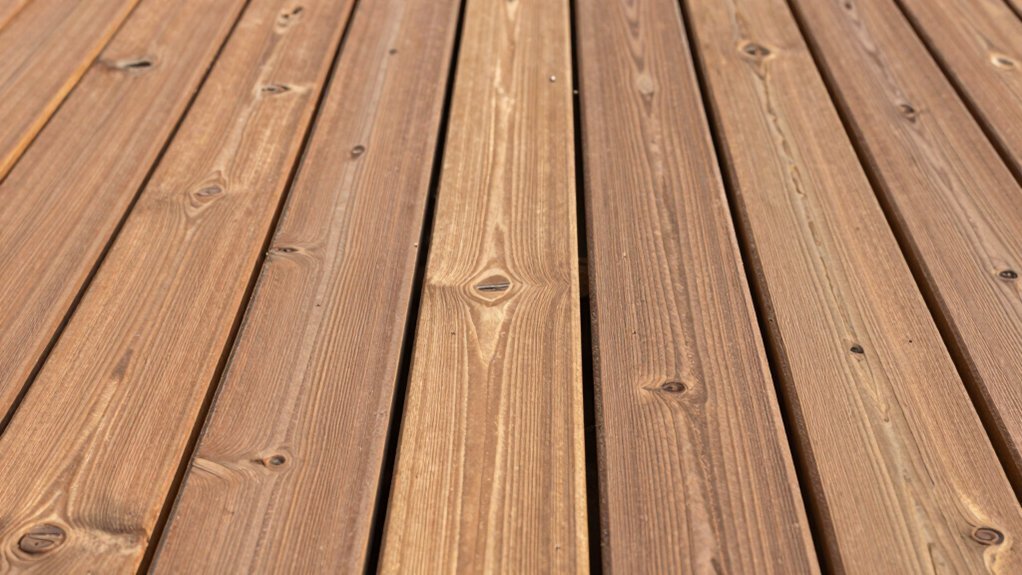
Sealant or protective coatings aren’t universal must-haves for every deck, but sealing joists is a prudent step in most climates because untreated wood is vulnerable to moisture, UV exposure, and microbial decay. You assess whether sealing supports longevity by considering exposure, species, and overall load.
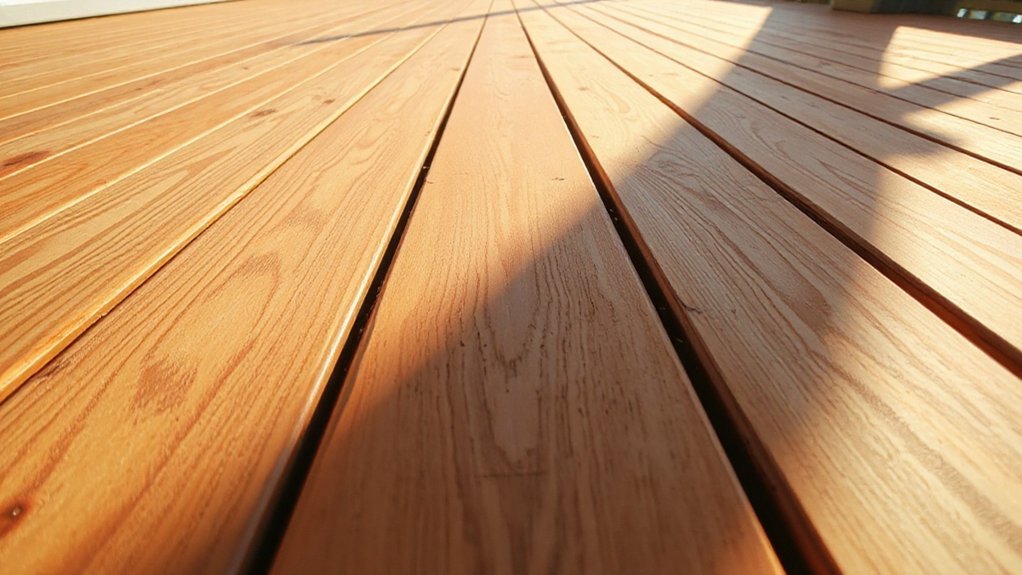
Proper sealing reduces water ingress, slows check cracking, and minimizes surface damage from sun. In _regards to_ wood preservation, you prioritize materials with penetration and film-forming properties suitable for exterior use, allowing moisture to escape yet limiting saturation.
From a deck maintenance perspective, routine inspection after seasonal shifts helps verify coating integrity and reapplication timing. You’ll document conditions and established intervals, enabling data-driven decisions that preserve structural performance and extend service life without unnecessary or excessive treatment.
Signs Your Joists Need Protection Right Now
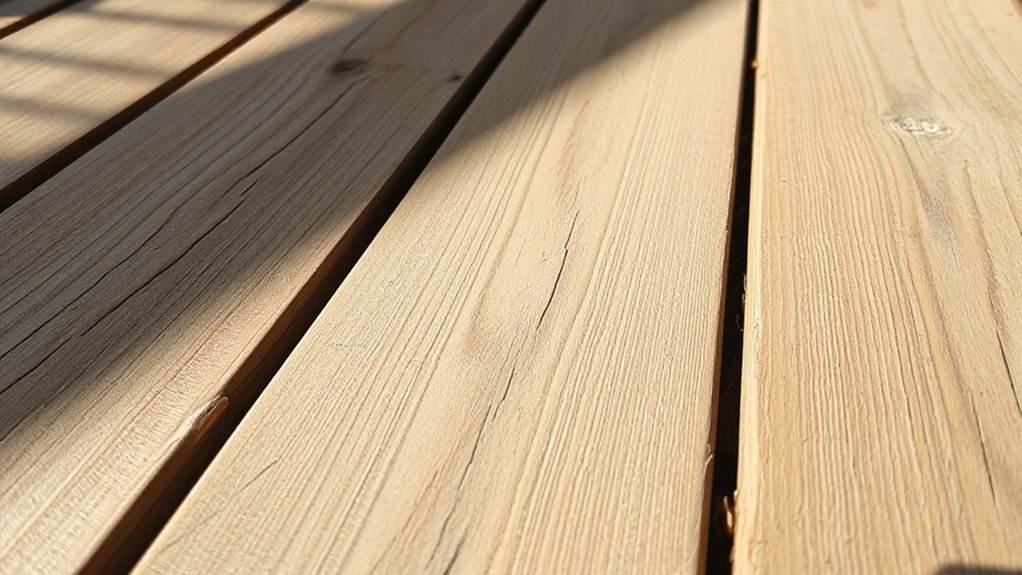
Watch for clear signs that joists are deteriorating or losing protective integrity, and address them before structural compromise occurs. You should inspect for visible softening, cupping, or cracking in framing members, and test for persistent moisture around the deck area. Warping, mushrooming ends, or rot pockets indicate compromised wood that can fail under load.
Peeling or bubbling coatings, elevated moisture readings, and ongoing staining suggest moisture ingress that protection measures must address promptly. Inspect for rusted fasteners or corrosion on related hardware, which signals moisture exposure and potential connection weakness.
If you detect staining patterns near joist tops or ends, treat as indicators of ongoing decay risk. Consider deck stain and wood treatment as preventive tools, but prioritize remediation and moisture control to maintain structural integrity.
How to Seal Deck Joists: Step-by-Step Guide
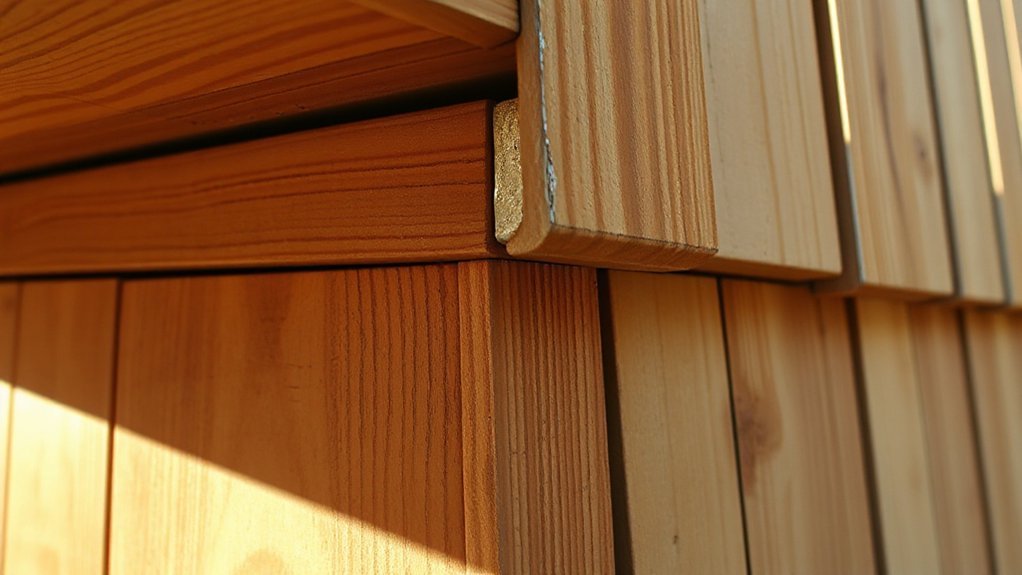
To seal deck joists effectively, begin with a clear plan that targets moisture control and long-term protection. Start by inspecting joists for damage, replacing any compromised sections, then select a compatible sealant.
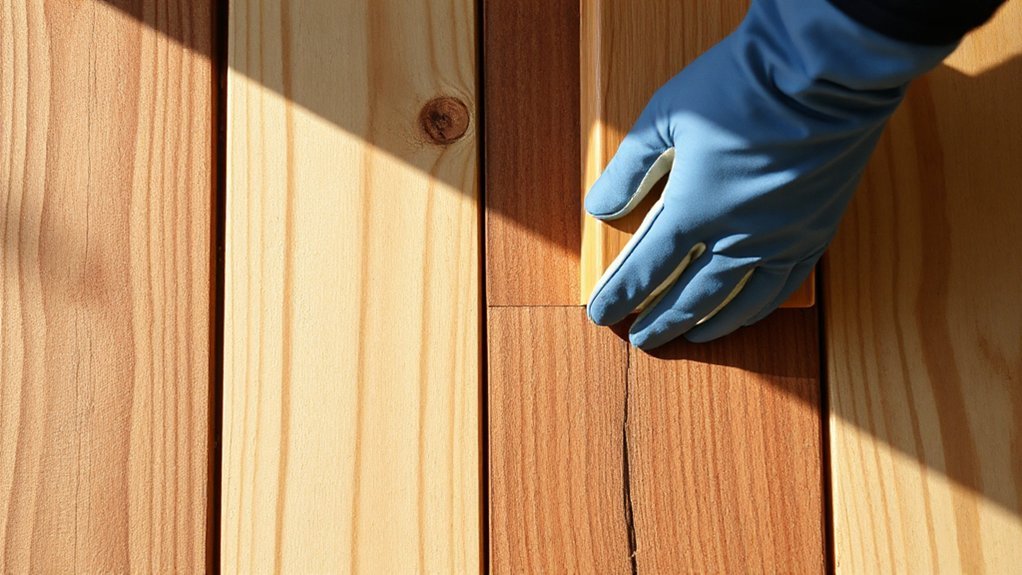
Choose a deck stain or penetrating wood treatment formulated for outdoor use and compatible with your deck material. Wear PPE and apply in dry conditions, avoiding direct sun.
Apply evenly along joists, brushing or spraying, and back-roll to ensure penetration. Maintain a consistent thickness; avoid pooling.
Allow proper curing time per manufacturer instructions before adding finishes or reassembling gaps. Reapply at recommended intervals or after cleaning, to sustain moisture resistance.
Document maintenance, noting product type, date, and observations. This systematic approach optimizes durability and minimizes future upkeep costs.
When Not to Seal: Moisture, Ventilation, and Wood Type Exceptions
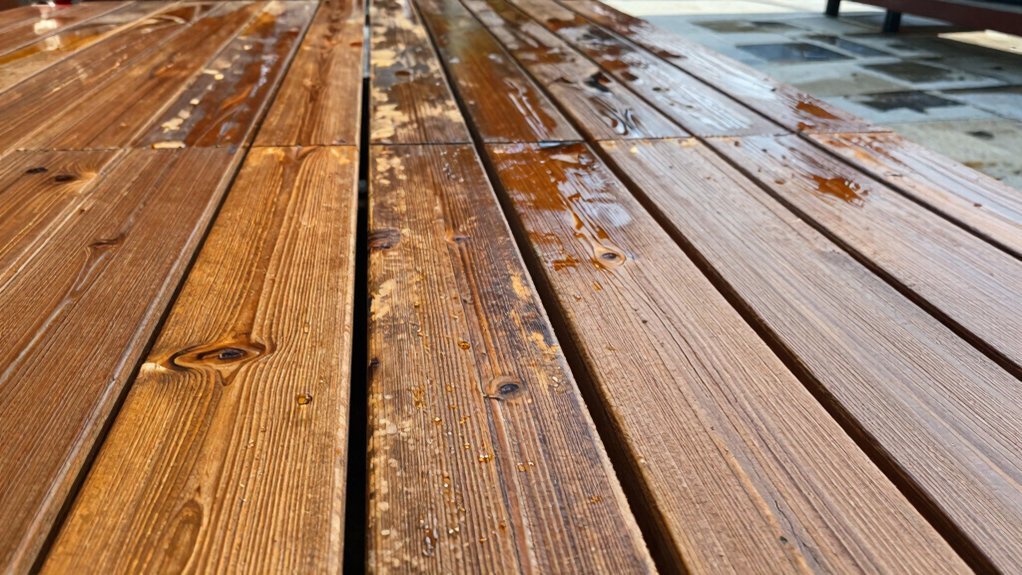
moisture, ventilation, and wood type all constrain when sealing deck joists: you should skip sealing in certain conditions to prevent trapping moisture or causing damage.
In practice, you assess moisture availability and airflow before proceeding; if ventilation is limited, sealing can create damp microclimates that accelerate moisture intrusion. Where joists are exposed to frequent wetting or poor drainage, sealing may trap moisture rather than block it.
For wood types prone to checking, splitting, or rapid moisture exchange, sealing can hinder natural equilibrium and promote wood decay under saturated conditions. Evaluate historical moisture cycles, ventilation patterns, and species resilience.
If signs of prior moisture intrusion exist, or if rapid drying is unlikely, hold off on sealing until conditions normalize.
Pick the Right Sealing Products and Maintenance Tips
Selecting the right sealing products hinges on the deck’s exposure, wood species, and anticipated moisture cycles; you should match the product’s form, film thickness, and UV resistance to these factors.
In practice, evaluate timber porosity, absorbency, and potential for dimensional movement before choosing a finish.
Opt for a sealant with proven adhesion to your wood type, and verify compatibility with any existing coatings.
Consider waterborne versus solventborne formulations, noting environmental impact and drying behavior.
Establish a maintenance plan that aligns with seasonal moisture patterns, including reapplication timing and surface cleaning.
Documentation of product specs supports long-term performance.
Wood treatment and Sealant selection should be guided by field tests, manufacturer recommendations, and visible wear indicators to maintain protective film integrity and deck longevity.
Regular inspections prevent unnoticed deterioration.
Frequently Asked Questions
Will Sealing Joists Affect Wood Color or Grain Visibility?
Sealing joists will affect wood color and grain visibility; it can darken the wood and enhance color. You’ll notice more pronounced wood grain, and color enhancement depends on the sealer’s formula, gloss level, and deck exposure over time.
How Often Should I Reapply Sealant on Joists?
Timing considerations suggest reapplying every 2–5 years, depending on climate, wear, and product. You should reapply after cleaning and drying thoroughly, using proper sealing techniques, and monitor for weathering signs to maintain protection and appearance.
Can Sealing Cause Moisture Trapping and Mold Growth?
Sealing can cause moisture buildup if ventilation is poor, increasing mold risk. You should guarantee proper drying and breathable coatings; monitor humidity, inspect joints, and use compatible sealants to minimize trapped moisture and fungal growth.
Do Painted or Stained Decks Require Sealing Joists?
You should seal joists if you want long-term deck maintenance and wood preservation. About 60% of homeowners report improved longevity after sealing stained decks, illustrating a measurable benefit. You’ll maintain moisture balance with proper, controlled coatings.
Is Garage or Covered Porch Usage Different for Joist Sealing?
Yes, garage sealing differs: you should use a penetrating seal on porch joists for outdoor exposure, while garage conditions are drier. Assess moisture, then apply appropriate finishes, focusing on porch joists and garage sealing practices.
Conclusion
Seal your deck joists to extend their life, reduce warped boards, and deter decay from moisture intrusion. By protecting vulnerable wood, you create a sturdier, safer outdoor space. If moisture lingers or ventilation is poor, protection becomes essential; otherwise, risk rises. Choose a breathable, appropriate sealant and recoat as recommended. Think of your joists as a quiet foundation—seal them, and their strength stays visible, like a well-kept backbone supporting every step you take.