Disclosure: This post contains affiliate links. As an Amazon Associate, we earn from qualifying purchases.
If you’re weighing paint versus stain, paint offers a durable, uniform color that hides flaws and stands up to high-traffic areas, while stain highlights the wood grain and needs more frequent touch-ups. For best results, assess your deck’s age, damage, and moisture, then prep thoroughly—clean, dry, and repair anything rotten or loose. Choose a suited outdoor primer and two thin coats, and plan around dry, mild weather. Want practical steps and timing tips? You’ll find more details below.
Key Criteria for Choosing Paint Over Stain
Choosing paint over stain hinges on a few practical criteria. You’ll evaluate color options, finish resilience, and maintenance needs to decide what fits your deck and budget.
If you prioritize bold or uniform color, paint provides consistent tone across boards and hides imperfections better than stain. Consider paint durability: exterior paints resist weather, UV exposure, and moisture longer, but may require more prep and occasional recoating.
Surface texture matters: rougher decks grip paints differently; you’ll need proper primer and grit-appropriate rollers for even coverage.
Accessibility impacts cost and effort: DIY refresh can be faster with paint, while professional help guarantees even layers on railings and spindles.
Finally, longevity should align with your plans for the space and how often you’re willing to refresh.
How to Assess Deck Age and Condition
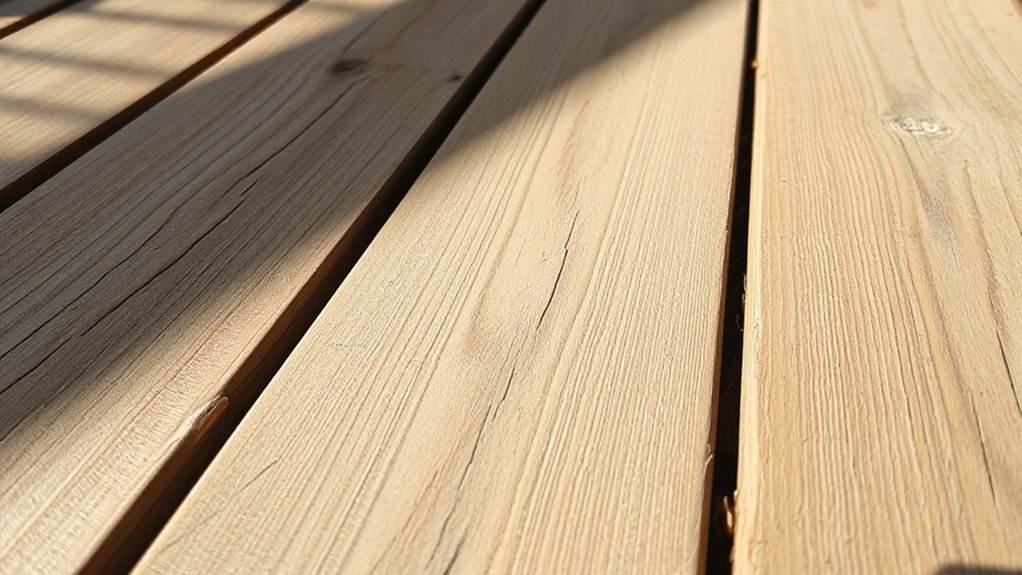
Evaluating a deck’s age and condition starts with a clear, step-by-step check. Start by inspecting the surface for deck discoloration and any grain raising or splintering. Look at the boards’ ends and fasteners for rust, corrosion, or looseness. Check for soft spots by pressing with a finger or screwdriver; soft wood signals rot or decay.
Examine framing and joists for sagging or movement, and note any daylight through boards, which indicates structural wear. Consider weather effects: prior exposure, mildew, and UV damage. Assess railing stability, post integrity, and railing balusters for looseness or cracking.
Take photos, measure dimensions, and compare to original spec. Finally, decide if cleaning, sanding, or more extensive repairs are needed before painting or staining. Document findings for a clear maintenance plan.
Paint vs. Stain: Decide the Right Protection and Look
When you’re choosing between paint and stain, you’ll weigh deck protection varieties against the look you want, from solid color to transparent grain visibility.
Consider how different finishes affect maintenance, longevity, and your overall aesthetic, so you can pick options that match your climate and usage.
We’ll explore practical next steps for balancing protection with style, touching on protection options, finish aesthetics, and how maintenance needs evolve over time.
Deck Protection Variety
Ready to decide on protection that fits your deck and lifestyle? You’ll weigh options like paint, stain, or sealant, focusing on how each protects and how it looks.
Paint provides a solid color barrier, hides imperfections, and can last longer in high-traffic areas, but may require more maintenance when peeling occurs.
Stain emphasizes the wood grain, offers a natural feel, and usually requires frequent touch-ups in sun-exposed spots.
Consider eco friendly paints if you aim for lower volatile organic compounds and easier cleanup.
Evaluate lasting power, weather resistance, and ease of reapplication.
For color control, review deck color options and how they pair with your outdoor space, furniture, and climate.
Choose a protection that balances durability, maintenance, and your desired aesthetic.
Aesthetic Finish Options
Considering your deck’s look and upkeep, paint and stain each offer distinct aesthetic options that can dramatically alter curb appeal and wood texture. You’ll decide among solid paints, semi-sheens, and translucent stains to match your home and environment.
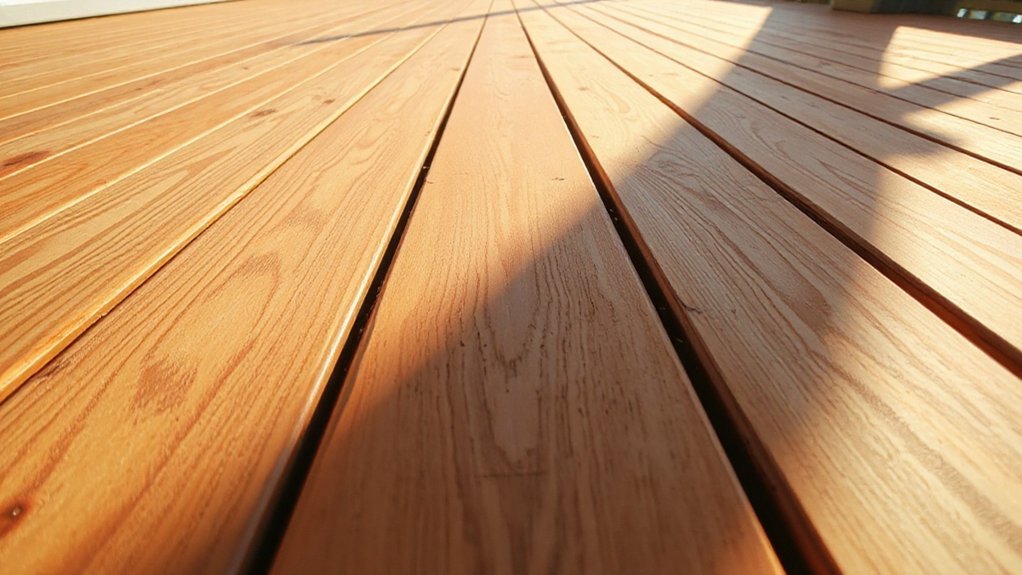
Paint provides uniform color, excellent protection against moisture, and a solid texture that masks grain. Stain preserves wood’s natural texture while adding color, offering erosion resistance with less surface film.
Color options range from bold hues to muted earth tones, influencing perceived size and style. Texture variations determine how much grain shows through and how smooth or rustic the surface feels underfoot.
For durability, choose products labeled for exterior decks and follow proper surface prep and recoats. Your choice should align with maintenance willingness and long-term visual goals.
Maintenance Longevity Considerations
Choosing between paint and stain isn’t just about color; it’s about longevity and how you’ll manage upkeep. When you plan maintenance longevity, consider how each option protects joists, boards, and fasteners over time.
Paint forms a solid film that can resist moisture longer, but you may need more frequent surface prep to avoid peeling in high-traffic areas.
Stain penetrates wood, highlighting grain and offering easier repairs, yet it may require more frequent reapplication in sunny yards or near water.
Color matching helps preserve a cohesive look across decks and railings, reducing the need for repainting.
For eco-friendly paints, verify low VOC levels and durable finishes.
Balance protection, curb appeal, and budget to decide the right option for lasting performance.
When to Paint: and When to Skip It
Timing matters for paint, so you’ll want to know when to start and when to skip based on weather, room usage, and deck age. We’ll cover how to identify the right windows, plus what surface prep is non-negotiable before you paint, and when skipping painting is the smarter choice.
Let’s map out practical checks for preparation, durability, and upkeep to help you decide next steps.
Timing Matters For Paint
If you’re painting your deck, timing can make or break the finish, so plan around the weather and surface conditions. You’ll get the best results by painting on dry, non-windy days with temps between 50 and 85°F, avoiding rain within 24 hours. Check humidity; high moisture slows curing and can cause bubbles.
Prepare the surface: clean, dry, and free of loose fibers or old coating. Schedule coatings in sequence—primer first, then color topcoat—allowing proper dry times between coats.
Consider color selection for UV resistance and appearance, and avoid drastic color changes if you’re preserving existing deck tones. Also weigh environmental impact: choose low-VOC formulas and proper disposal.
This disciplined timing minimizes rework, extends wear, and delivers a steadier, longer-lasting finish.
When To Skip Painting
There are times you’ll want to skip painting your deck, and recognizing them saves you time and money. You skip when surfaces are in good condition, with minimal peeling, rot, or mildew. If framing and boards are sound, and you’re satisfied with the current look, painting may not add value.
Consider weather windows; you’ll delay if rain, high humidity, or extreme temperatures loom. If you’re prioritizing maintenance-free options or if color trends align with the existing finish, skip painting and refresh with cleaning or sealing instead.
Eco-friendly coatings can still require reapplication on schedule, so assess longevity and warranty. Focus on practical needs: safety, slip resistance, and long-term upkeep. Color trends influence cosmetic decisions, but not structural protection.
Surface Prep Considerations
Before you paint, you’ll want a solid surface you can trust. Surface prep isn’t glamorous, but it’s the hinge of a lasting finish. Start by cleaning thoroughly to remove dirt, mildew, and old coatings. Scrape loose fibers and feather edges so the new color lays evenly. Sand rough spots and fill cracks small enough to cause peeling later.
Dry weather matters—aim for dry days with low humidity to avoid trapping moisture under the paint. Check deck boards for cupping or swelling and address with a flexible, exterior-grade coating that tolerates movement. Color matching matters for consistency across rails and decking; test samples in shade and sun.
Consider weather considerations like temperature range and forecasted rain before committing to a coat.
How to Prep Your Deck for Paint, Step by Step
prepping your deck for paint starts with a clean, sound surface. Begin by removing furniture, then sweep away dirt, leaves, and loose fibers.
Inspect boards for damage: replace warped or rotten sections, and sand rough spots to a smooth, even level.
Rinse thoroughly and let dry completely to prevent trapped moisture.
If you spot mildew, treat with a deck-safe cleaner and scrub with a stiff brush, then rinse again.
Declutter and sweep the joists to ensure even contact with the coating.
Check for proper drainage and ensure gutters aren’t directing water onto the boards.
Plan around weather considerations: pick a dry window, avoid freezing nights, and apply when temps stay within product guidelines.
This routine supports deck maintenance and a lasting, uniform finish.
Choosing the Right Paint, Primer, and Tools
Choosing the right paint, primer, and tools starts with understanding your deck’s material and climate, then matching products to those conditions. You’ll pick a primer that bonds well with your wood type or substrate, then select a topcoat formulated for outdoor exposure.
Consider the deck’s sun exposure, moisture, and foot traffic to determine sheen and film thickness. Use color matching to coordinate with your home’s exterior and nearby landscape, ensuring the finish hides stains and highlights grain without glare.
For durability, pick paints labeled for exterior use with good UV resistance, and pair them with a compatible primer. Tools matter: invest in a quality brush, roller, and an enclosed tray.
Test color on a small area, and plan for two thin coats for ideal paint durability.
Common Painting Mistakes and Troubleshooting Tips
Even with the best products, painting mistakes happen—and they’re usually preventable with a simple check of common pitfalls and quick fixes. Start by diagnosing surface prep: dirt, oils, or mildew hide weak adhesion. If you see peeling or uneven sheen, scrub with a deck cleaner, rinse thoroughly, and allow full drying. Sand glossy areas to create grip, then dust before priming.
Temperature and humidity matter; don’t paint in extreme heat or damp conditions, or you’ll trap moisture. When applying, use even coats and back-brush to smooth edges; avoid heavy runs that later crack. For color matching, test a small area to confirm hue and finish before full coverage.
If texture looks flat, lightly roll with a short-nap roller for texture enhancement, then touch up edges.
Frequently Asked Questions
How Long Does Deck Paint Typically Last Before Re-Coating?
A typical deck paint lasts 5–10 years, depending on climate and prep. For deck maintenance, expect re-coats sooner in sun or wet areas. Use quality coatings to maximize paint durability and protect wood, cleaning between applications.
Can I Paint Over Old Peeling Stain Without Sanding?
Yes, you can, but you must sand first. Like sanding a road before paving, removing peeling paint is essential. This is deck preparation: fix the peeling paint, clean, prime, then paint for lasting adhesion and even coverage.
Does Deck Material Affect Paint Color Longevity?
Yes, the deck material affects paint color longevity. For best results, prioritize deck maintenance and paint preparation, ensuring clean, dry surfaces, proper primer, and compatible topcoat with your material to maximize durability and color retention.
Is Water-Based Paint Better for Concrete or Wood Decks?
Water-based paint is better for wood decks; it flexes with boards and cleans easy. For concrete, use a breathable deck stain rather than paint. You’ll maximize Paint durability and protect surfaces while preserving color and texture.
Should I Use a Roof-Grade Primer for Extreme Climates?
Yes, you should consider a roof-grade primer for extreme climates. Your primer choice should address climate considerations, ensuring strong adhesion and moisture resistance, while preparing surfaces properly for durable, long-lasting protection against harsh temperatures, humidity, and UV exposure.
Conclusion
If you decide to paint your deck, you’ll gain a durable, uniform finish that can resist wear and moisture better than some stains. Before you begin, know that about 70% of DIYers who thoroughly prep—clean, dry, and prime—report longer-lasting results. That prep matters most: it seals cracks, stops peeling, and improves adhesion. Choose high-quality paint and the right primer for wood or composite, and follow the steps closely. With careful prep and proper coats, you’ll enjoy a refreshed, protected deck longer.