Disclosure: This post contains affiliate links. As an Amazon Associate, we earn from qualifying purchases.
Yes. Your decking should have a deliberate slope to shed water and protect the structure. Typical gradients run about 1/8 inch to 1/4 inch per foot, directed toward drainage outlets or edges. This prevents pooling, staining, rot, and slip hazards while aiding long-term durability. Use precise measurements across the surface, maintain edge clearance from soil, and confirm compliance with local codes and warranties. If you keep going, you’ll uncover how to design and verify the slope effectively.
Slope Decks for Drainage: A Step-by-Step Basics
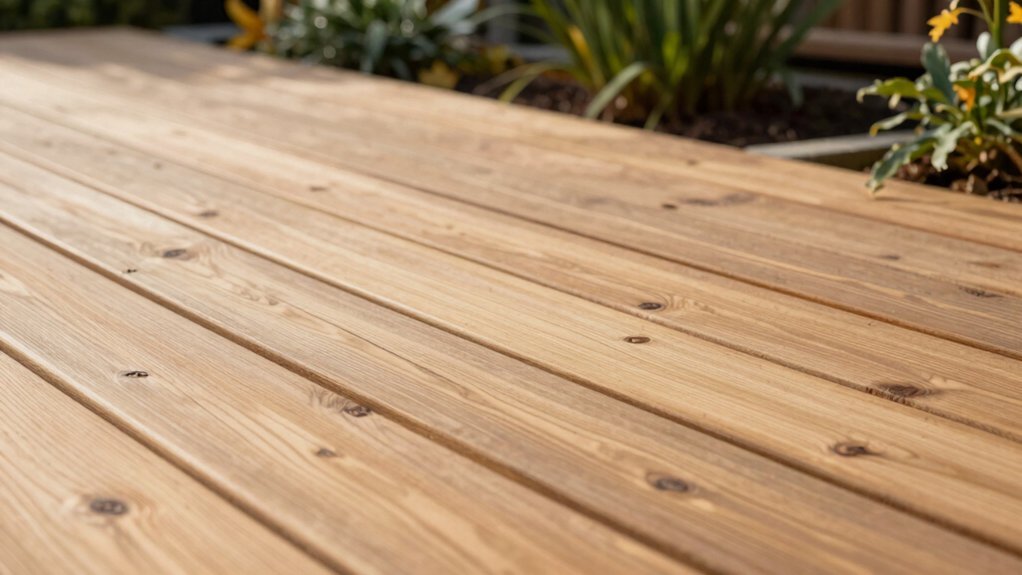
Do you know why slope matters for deck drainage? You set a purposeful incline to direct water away from the structure and reduce standing moisture. Begin with a baseline slope: approximately 1/8 inch per foot as a practical minimum for most decks, verified by local codes. Measure along the joist plane to ensure uniform discharge toward gutters or edges, and account for local rainfall intensity.
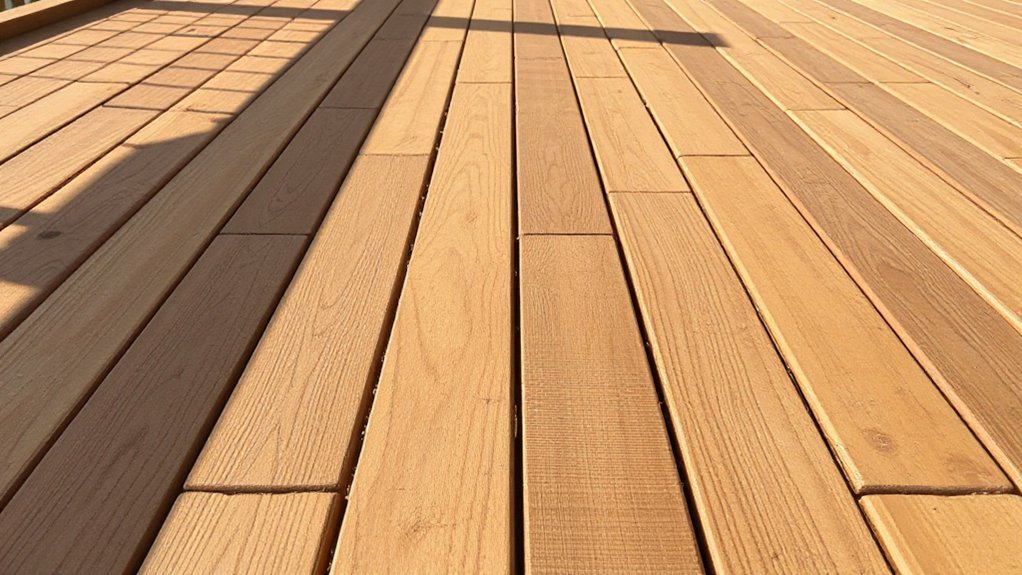
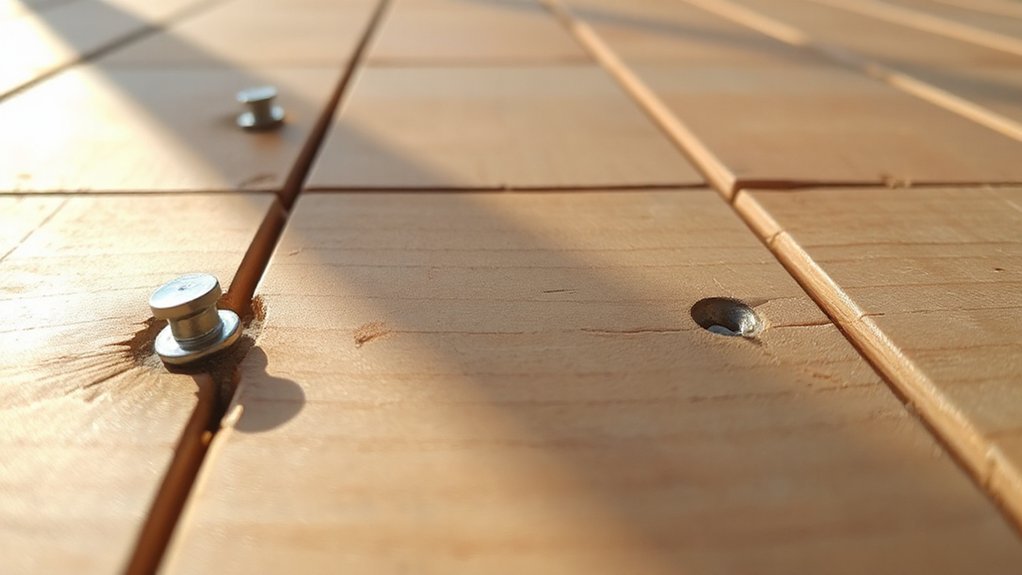
Align deck boards with the slope to avoid misreads caused by staining or warping, using hidden fasteners to maintain a clean surface. Consider deck color implications for heat absorption and drying dynamics, since darker tones retain moisture longer. Material durability relates to how well the substrate resists warping and decay under elevated moisture, preserving long-term performance.
Regular inspections verify slope persistence and drainage effectiveness.
Standard Deck Slope Gradients for Common Setups
Standard deck installations typically use a gradient of about 1/8 inch per foot, but exact values vary with climate and local codes.
In common setups, you’ll see typical slopes of 1/8″ to 1/4″ per foot for promenades, with steeper gradients reserved for inclines or drainage progressions.
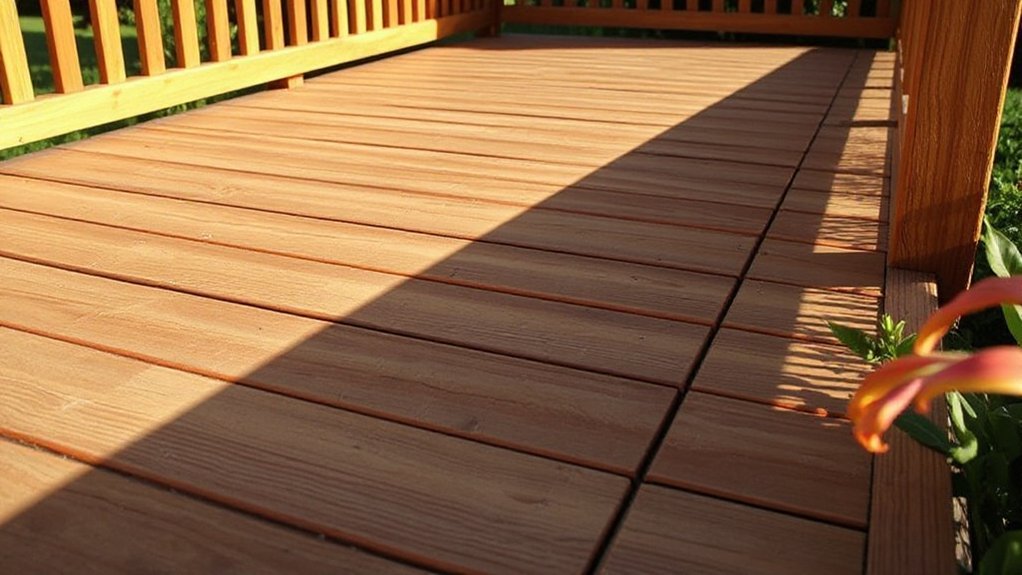
For standard framed decks, maintain a consistent slope toward the primary drainage outlet, ensuring water sheds away from the structure and door thresholds.
When selecting materials, consider deck color and how pigment absorption may influence perceived runoff and water sheeting.
For lighting, align boards to highlight even plane performance, avoiding shadowed low spots that can conceal moisture.
Verify fastener and joist substructure tolerances to preserve slope uniformity over time, and document measurements for code compliance and future inspections.
Deck Slope by Climate: Rain, Snow, and Humidity
Deck slope requirements shift with climate conditions, so you must tailor the gradient to rain, snow, and humidity. In this section, you assess how environmental load, drainage rate, and infiltration influence slope targets.
Rain increases surface runoff potential, so steeper pitches improve shedding but must balance foot traffic and safety.
Snow accumulation and melt require broader decking drainage pathways and seasonally adjusted gradients to prevent ice pockets.
Humidity affects wood dimensional stability and moisture-related deformation, guiding decisions on material selection and sealing strategies.
For metal and composite options, guarantee slope consistency to maintain drainage performance over the long term.
Consider landscape aesthetics when integrating slope with plantings and hardscape.
Align the chosen slope with material selection to sustain durability, maintenance, and overall visual coherence.
How Orientation and Use Change Slope Needs
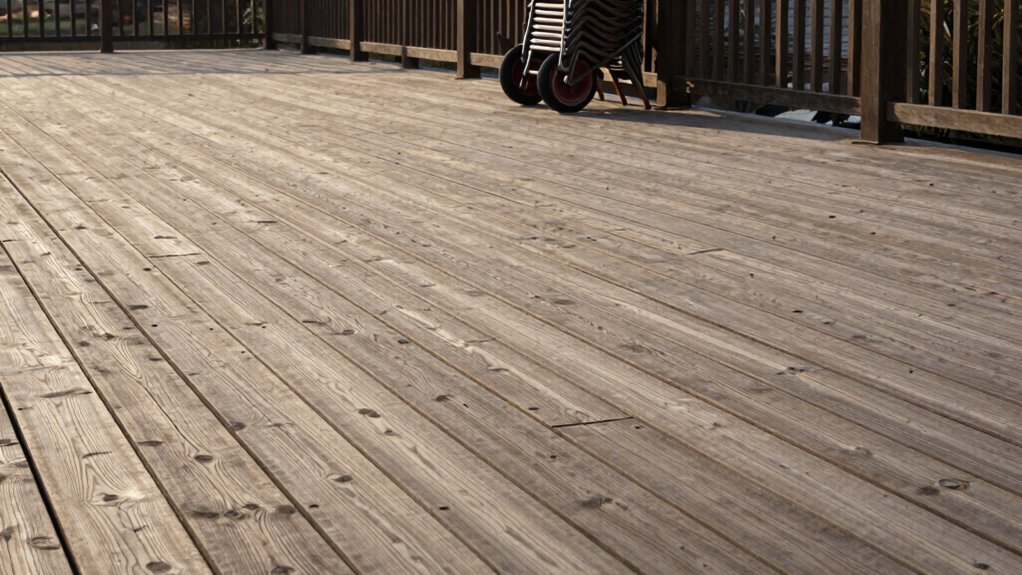
Orientation and use directly influence slope needs through changes in load, usage patterns, and drainage demands. You’ll consider how orientation affects load distribution.
How varying usage alters stress, and how water drainage behavior shifts with deck direction and exposure. This sets the foundation for precise slope specifications that accommodate these interacting factors.
Orientation Effects On Slope
When considering slope requirements, orientation and intended use directly influence drainage, load distribution, and visible wear. Your decking orientation governs runoff paths, which affects effective drainage and moisture exposure across boards.
You’ll notice directional lighting and approach sightlines alter perceived wear, prompting careful material selection. Orientation also determines load paths from furnishings, grills, and access traffic, shaping support layout and edge restraint decisions.
Decking aesthetics come into play as grain orientation and joint patterns interact with slope to affect visual uniformity. You should anticipate shading and surface shading differences that modify perceived texture.
Consider how orientation changes wind-driven debris exposure, which can complicate maintenance cycles. Align these factors with your project goals to optimize performance while preserving decking aesthetics and ensuring appropriate material selection.
Load And Usage Variations
Because different uses place varying loads and traffic patterns on your deck, orientation and anticipated activities must be integrated into slope requirements from the outset. Load profiles differ with furniture, grills, hot tubs, and frequent gatherings, altering live and impact loads. You must quantify maximum expected loads per area and align slope with structural tolerances, not aesthetic guesses.
Usage duration, seasonal occupancy, and movement paths influence deflection, creep, and joint detailing, so design iterations should reflect these realities. Consider deck aesthetics alongside performance, ensuring slope choices don’t undermine visual quality or finish exposure.
Construction costs rise with higher precision grading, selective substrate preparation, and robust fastening, yet fail-safe slopes reduce maintenance and retrofit needs. Document assumptions, verify with load tests, and communicate expectations to installers for consistent outcomes.
Water Drainage Impacts
Water drainage drives slope decisions because moisture tends to follow gravity, not aesthetics. You assess how water moves across deck surfaces and beneath them, identifying pooling risks and drainage paths. Orientation affects runoff velocity and substrate exposure, influencing decay potential and fastener corrosion.
You must consider deck aesthetics in tandem with functional performance, ensuring slope facilitates uniform shedding toward drains or edges. Material selection matters: smooth, dense boards resist moisture infiltration while maintaining slip resistance, and flashing details must direct water away from joints.
Subsurface grading and ledger connection—paired with precise joist spacing—minimize standing water and capillary rise. By modeling rainfall duration and wind-driven spray, you optimize slope to balance durability, usability, and upkeep, reducing maintenance demands over the deck’s life.
Measure and Achieve the Right Slope: Tools and Methods
To guarantee correct deck drainage, measure the slope precisely using a level, a laser tool, or a water-filled tube. Then verify it across multiple points along the deck surface.
You’ll establish a consistent fall gradient by calculating rise over run for each segment, documenting readings, and aligning them to a target slope defined by local code and project specs.
Use calibrated instruments, ensure the surface is clean, and account for temporary load during measurement.
Apply edge and center checks to detect sags or high spots, then adjust framing or shims accordingly.
This precision supports deck aesthetics and material selection by preventing standing water and promoting uniform drainage.
Record final values, maintain slope continuity, and validate with post-install inspection to ensure performance and durability.
Common Slope Pitfalls and How to Avoid Them
Even with careful measurement, several common slope pitfalls can undermine drainage. You must anticipate these issues to preserve performance and longevity.
A primary concern is insufficient slope toward the discharge point, leading to ponding near the ledger line or joists and promoting moisture retention. Guarantee consistent gradient across fastened areas; small variations amplify water pooling and accelerate wear.
Misjudging deck color and material texture can mask subtle dips, so verify surface uniformity with a straightedge and a level over multiple sections. Avoid abrupt transitions where boards meet, which trap water and create staining or warping.
Proper edge clearance from soil and proper flashing reduce capillary rise and rot risk. Document your checks after installation; even minor deviations can compromise drainage efficiency and long-term stability.
Codes, Permits, and Warranty Implications for Sloped Decks
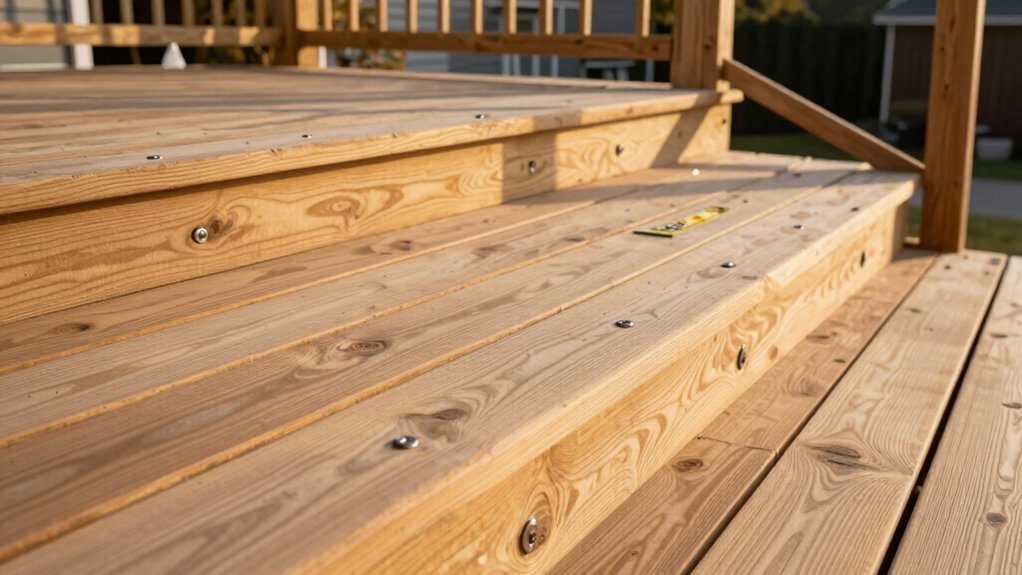
You should verify permit requirements for sloped decks before plans advance, as code adherence can affect approval timelines and inspections. Understanding warranty implications for slopes helps you choose components and workmanship that won’t void coverage.
We’ll cover how slopes influence permits and warranties, referencing key code provisions and manufacturer criteria.
Permit Requirements AndSloped Decks
What permit requirements apply to sloped decks, and how do codes, permits, and warranty implications interact? You’ll verify local zoning and structural rules before construction, then ensure plans meet adopted codes for slope, drainage, and guard/handrail specs.
Permitting typically requires plan review, material lists, and engineered calculations if the slope alters loading or drainage. Code compliance anchors design decisions, while permits authorize fieldwork and inspections at critical milestones—footings, framing, and final occupancy.
Sloped decks may trigger specific footing depth, beam spans, or fastener standards to withstand lateral loads and moisture exposure. Maintain documentation for warranty validity, and coordinate with inspectors to avoid rework.
Throughout, emphasize deck maintenance and material selection to sustain performance and code adherence over time.
Warranty Implications For Slopes
When sloped decks are built under code and permit regimes, warranty implications hinge on both the workmanship and the structural response to slope-driven loads and drainage.
You assess workmanship for proper fastener schedules, flashing, and waterproofing continuity, ensuring detailing aligns with supplier data and code expectations.
The warranty coverage may exclude failures caused by improper drainage, inadequate support, or noncompliance with slope regulations.
You should document inspections, material certifications, and corrective actions to preserve coverage.
If deformity, cracking, or joint separation arises from load-path deviations or settling, warranty considerations often require proven conformity to design intent and installation standards.
Align maintenance records with manufacturer guidelines, and notify parties promptly of issues.
Clear traceability reduces disputes and supports enduring, code-compliant performance.
Practical Design Tips: Maintain Usability While Shedding Water
To keep a deck usable while shedding water, prioritize a slope that promotes rapid drainage without creating puddles or slippery zones. Choose a consistent gradient that accelerates runoff toward edges or gutters, reducing surface time for standing moisture.
Align slope with traffic patterns to minimize cross-traffic puddling, and specify a positive setback from doors to prevent water intrusion. Material selection matters: pick deck material with proven slip resistance under wet conditions, and ensure joints and fasteners maintain a smooth, uniform surface.
Incorporate deck drainage solutions, such as integrated channels or hidden weep systems, to control hydroplaning risks. Consider aesthetic considerations during design, ensuring the slope complements the overall architecture.
Document testing criteria, including ramping behavior during simulated rain, to verify performance before installation.
Frequently Asked Questions
Can I Slope a Deck Without Professional Help?
Yes, you can, but you’ll need careful planning: estimate your slope using a level and string line, measure run length, compute slope calculation precisely, and consider decking aesthetics so drainage remains effective while you maintain structural safety.
How Does Slope Affect Deck Maintenance Frequency?
Slope increases maintenance frequency; you’ll need more drainage attention and quicker wear tracking. With proper slope construction techniques, you maintain decking aesthetics longer, but neglect raises moisture risks. Regular inspections reduce costs, guiding proactive upkeep and timely sealants.
Is There a Universal Slope for All Climates?
No universal slope fits all climates. You should tailor decking slope to your site and drainage needs, prioritizing slope stability and proper drainage, which influence decking aesthetics and long-term performance. Aim for a slight gradient, measured and tested.
Can Slope Impact Outdoor Furniture Drainage?
You’ll improve drainage efficiency by about 20% when you slope decking, and yes, slope impacts water runoff. You’ll direct moisture away from furniture, reducing rot risks and preserving finishes, while maintaining structural integrity through intentional elevation and drainage planning.
Do Homeowners Insurance or Warranties Cover Sloped Decks?
Yes, your homeowners insurance or warranties may not automatically cover sloped decks; coverage hinges on deck stability and water runoff management, engineering compliance, and proper maintenance. Verify documentation shows proper deck stability and favorable water runoff performance.
Conclusion
Sloped decks aren’t just about water; they’re about durability, comfort, and long-term performance. By choosing the right gradient for your climate, orientation, and usage, you’ll minimize ponding, reduce maintenance, and preserve fasteners and framing. Measure, plan, and verify with the right tools to avoid common pitfalls. Think of slope as a design constraint that *reveal* safety and usability, not a nuisance to wrestle with. Remember: precision today prevents costly repairs tomorrow. Like a compass, it guides dependable outdoor living.