Disclosure: This post contains affiliate links. As an Amazon Associate, we earn from qualifying purchases.
Yes, you can paint composite decking, but start with an adhesion test after cleaning and roughening a small area; good adhesion after 24 hours means you can proceed, while poor adhesion means skip painting. Use a high-quality exterior paint designed for composites, plus a compatible primer, and finish with a semi-gloss or satin sheen. Expect maintenance and possible color fading over time. Proper prep, thin coats, and monitoring will help, and you’ll pick up essential tips as you continue.
Should You Paint Composite Decking? Pros, Cons, and a Quick Test
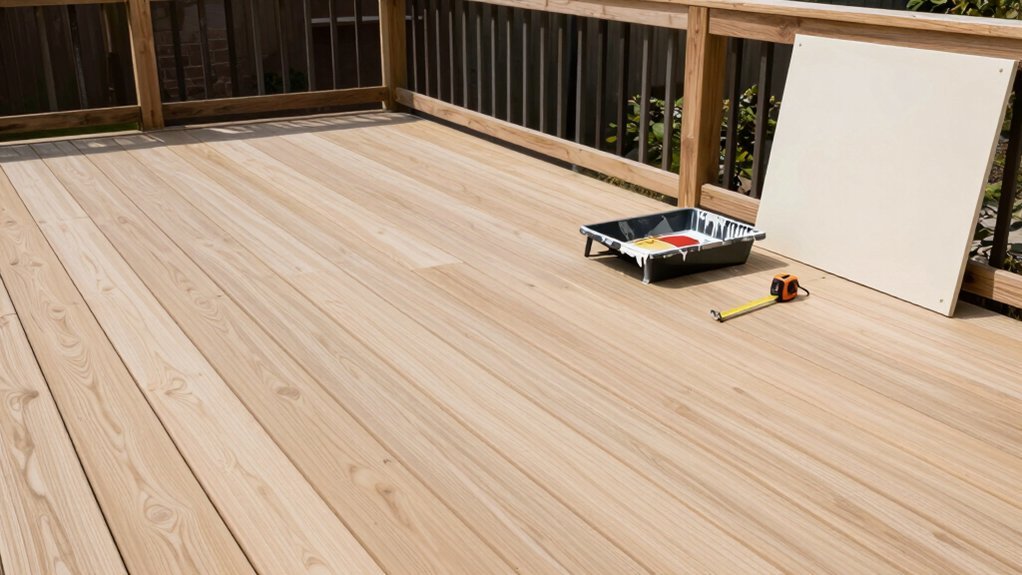
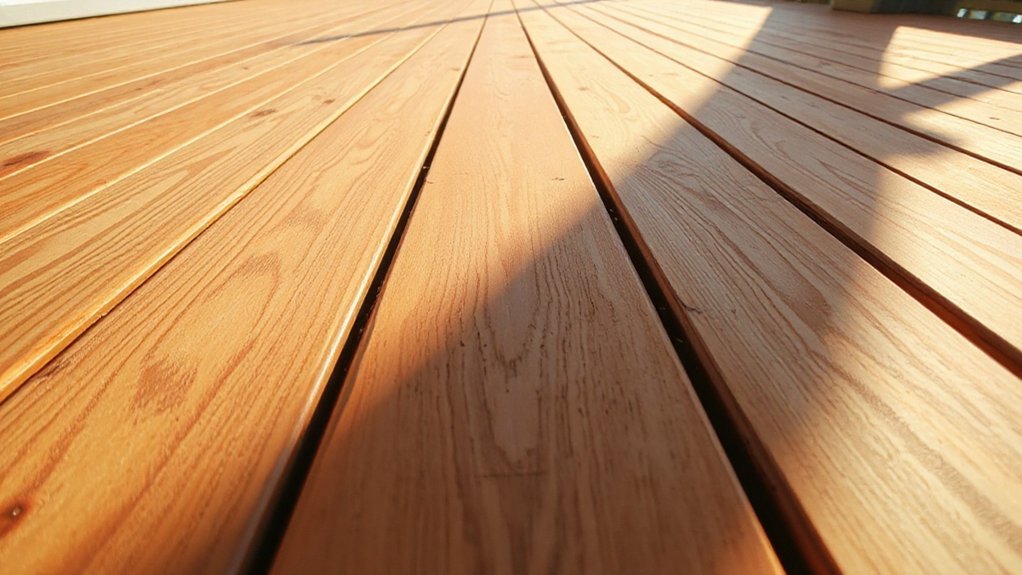
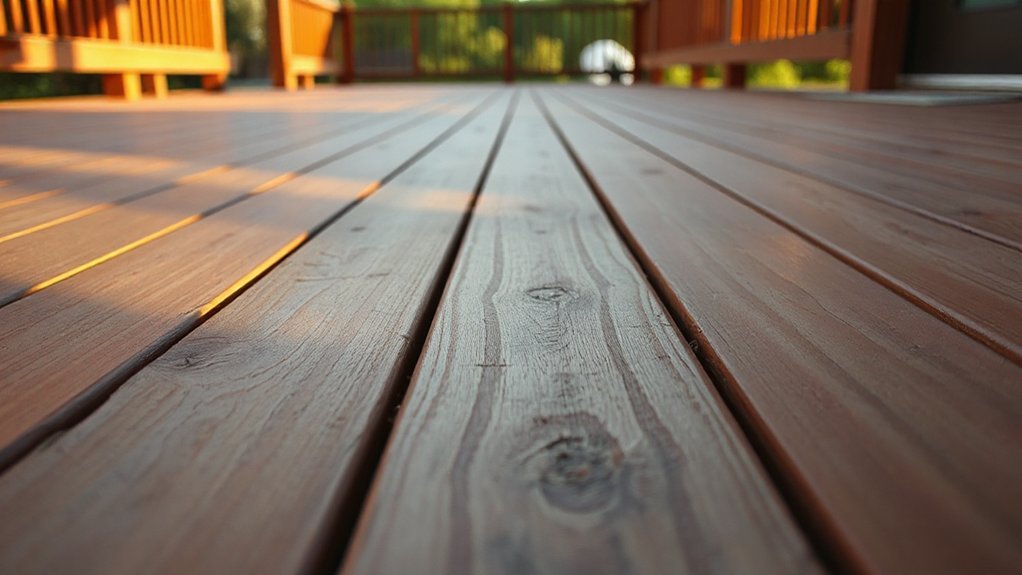
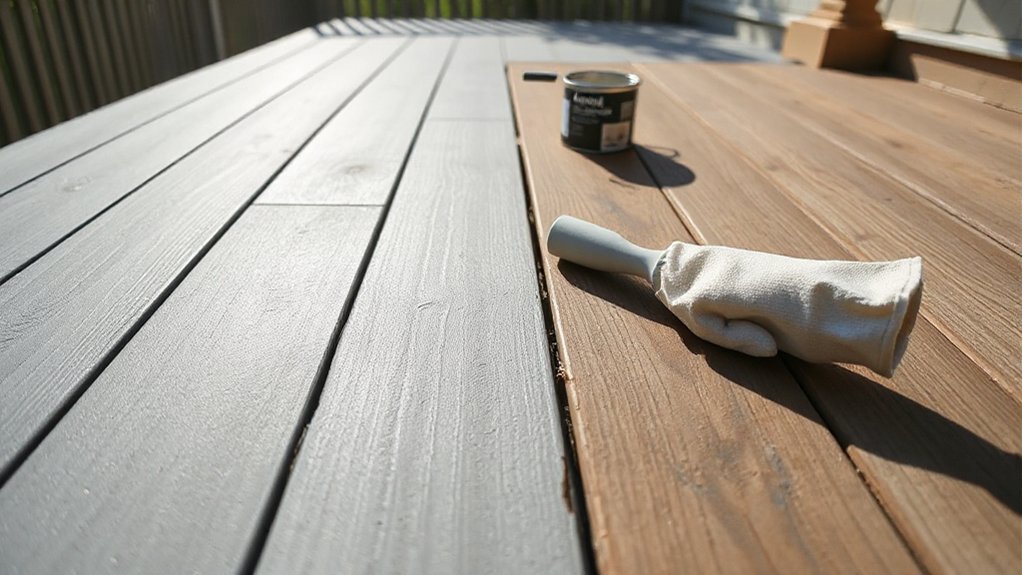
If you’re debating whether to paint composite decking, know that the decision hinges on your goals and the deck’s condition. You’ll want a quick test: clean a small area, rough up a panel with fine sand, and apply a test coat. If adhesion looks solid after 24 hours, you may proceed; if not, don’t force it.
Pros include refreshed appearance and potential color customization, but cons cover possible maintenance, paint deterioration, and reduced weather resistance over time.
Consider deck aesthetics first—will color enhance your outdoor space, or clash with existing trim? For weather resistance, verify that you’ll use a high-quality, UV-stable exterior paint and proper primer, compatible with the composite.
Weigh these factors against long-term upkeep before deciding.
What Paints Work Best on Composite Decks
You’ll want to start with a high-quality exterior paint that’s formulated for plastic and wood composites. Confirm it includes a durable finish and UV resistance.
Then, pair it with a suitable primer to guarantee adhesion and longevity.
Ready to discuss how prep and primer choices impact topcoat performance on composite decks?
Best Exterior Paints
Choosing the right exterior paint for composite decking matters because it protects the surface and keeps colors looking fresh longer. You’ll want paints that adhere well to composite material and resist peeling with foot traffic and subtle expansion.
Look for premium exterior acrylic or elastomeric formulas labeled for PVC or composite substrates. Semigloss or satin finishes help cleanability without glare, while avoiding high-sheen options that highlight flaws.
For color matching, pick a versatile base that complements your home and surrounding landscape, then test in a small area under various light.
Consider weather considerations, choosing paints with mildew resistance and excellent UV stability to prevent fading.
Always follow manufacturer guidelines for surface prep, application temperature, and recoat intervals to maximize longevity.
Prep and Primer Needs
What prep and primer do you actually need for composite decks? You’ll start by cleaning the surface to remove oils, dust, and debris, then lightly abrade with fine grit to improve adhesion.
Choose a high-quality, 100% acrylic latex or a film-forming coating labeled for composite decking; avoid oil-based formulas unless the manufacturer approves.
Prime only where needed; many composites accept topcoat without a dedicated primer, but use a bonding or adhesion-promoting primer on shiny or non-porous areas.
Color matching matters: pick a shade designed for decks to minimize fading.
Apply even coats, following the product’s instructions for drying times.
Pay attention to paint durability ratings and warranty guidelines.
Proper prep and a suitable primer save you touch-ups later.
When Painting Makes Sense: Criteria You Can Use Today
There are clear situations where painting composite decking makes sense: when you want to refresh appearance, seal against stains, or extend the deck’s life in harsh climates. You’re weighing criteria you can apply today, not tomorrow’s hype.
First, evaluate color options that fit your home and existing trim, choosing durable finishes labeled for exterior use and UV resistance.
Next, consider weather considerations: pick a calm window with low humidity and temperatures between 50–90°F (10–32°C) to ensure proper curing.
Assess deck exposure, traffic, and maintenance goals; if a board shows severe fading or staining, painting can restore uniformity.
Ensure compatibility with your composite type and avoid glossy sheens that highlight surface flaws.
Finally, confirm the project aligns with your budget and long‑term upkeep plan.
How to Prep Composite Decking for Paint: Cleaning, Scraping, Dry Time
To prep composite decking for paint, start with thorough cleaning to remove dirt, mold, and oils that can prevent adhesion. Use a stiff brush and a non-bleach cleaner or deck cleaner to scrub grooves and capped areas. Rinse well and let the surface dry completely; damp spots can ruin paint adhesion.
Inspect for loose fibers or splinters; scrape those areas smooth with a plastic scraper. Avoid power washing too aggressively, which can damage the surface. If you see shiny spots, repeat cleaning until the sheen is gone, signaling better surface preparation.
Lightly sand glossy sections to dull the surface, then wipe away dust. Plan enough dry time between cleaning and painting because proper dry time is essential for durable finish.
Choosing the Right Primer for Composite Decks
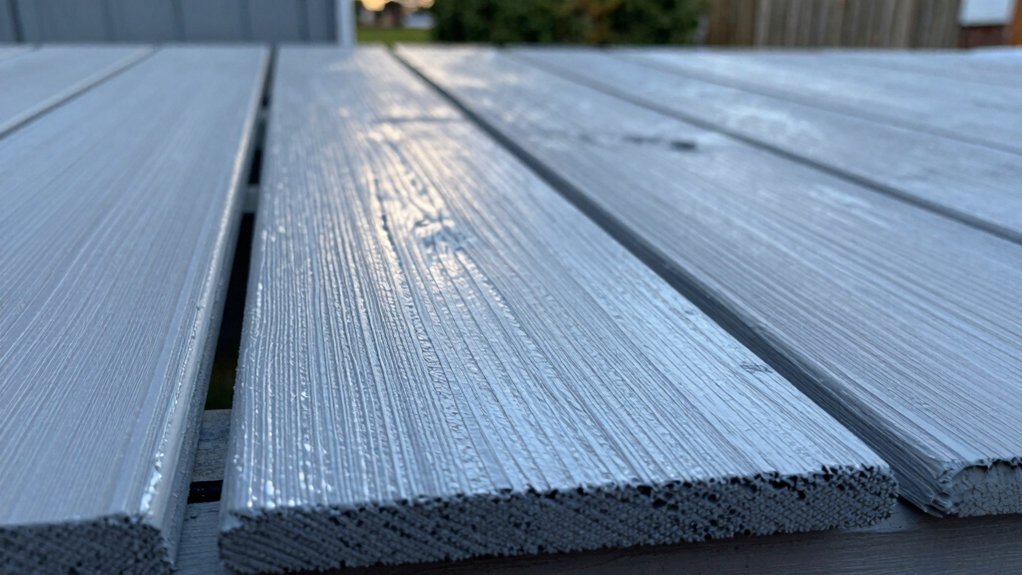
A good primer film is essential for composite decks because it helps paint adhere evenly and resist peeling, especially on varied surface finishes. When choosing a primer, match it to your deck material and the coating you plan to apply. Look for products labeled for composite substrates and for exterior use, with good UV stability.
Prioritize primers that promote primer adhesion and block staining from oils or resin bleeds. If your deck features smooth, powdery, or scored surfaces, consider a bonding primer designed for slick finishes to improve grip without raising texture.
Consider your deck color options, as some primers tint slightly to reduce show-through. Avoid heavy coatings that obscure grain; apply a thin, uniform coat and allow full cure before top coating.
Step-by-Step: Painting Composite Decking the Right Way
Begin by cleaning the deck thoroughly to remove dirt, oils, and mildew, then rinse and allow it to dry completely before any painting.
Start with a compatible primer, selecting one designed for composite materials and matching your chosen topcoat.
Lightly scuff the surface to improve adhesion, then wipe away dust.
Choose a high-quality exterior acrylic or elastomeric paint formulated for decks, ensuring it offers mildew resistance and durability.
Apply with a brush or roller in thin, even coats, maintaining a wet edge to prevent lap marks.
Allow each coat to dry fully before applying the next.
For best results, color matching matters: test on a small area and compare to your sample under varying light.
Focus on paint durability to maintain long-lasting appearance and protection.
Common Painting Mistakes on Composite Decks and How to Avoid Them
Even common mistakes can sabotage your finish, so start by recognizing them and planning to avoid them. You’ll reduce issues by cleaning thoroughly, removing mold, dirt, and oil before any coat. Don’t skip surface prep or use the wrong cleaner, or you’ll trap grains and create peeling.
Choose a compatible primer and a quality deck paint with proven adhesion to composite substrates. Don’t over-thin or over-stir; apply even coats with proper rollers or brushes, and maintain a wet edge to prevent lap marks.
Temperature matters: paint in mild conditions and avoid the heat of direct sun. Track deck durability after each season to catch wear early, and consider how paint color options influence fading, cleaning ease, and maintenance.
Alternatives to Painting: Staining, Sealing, or Leaving It
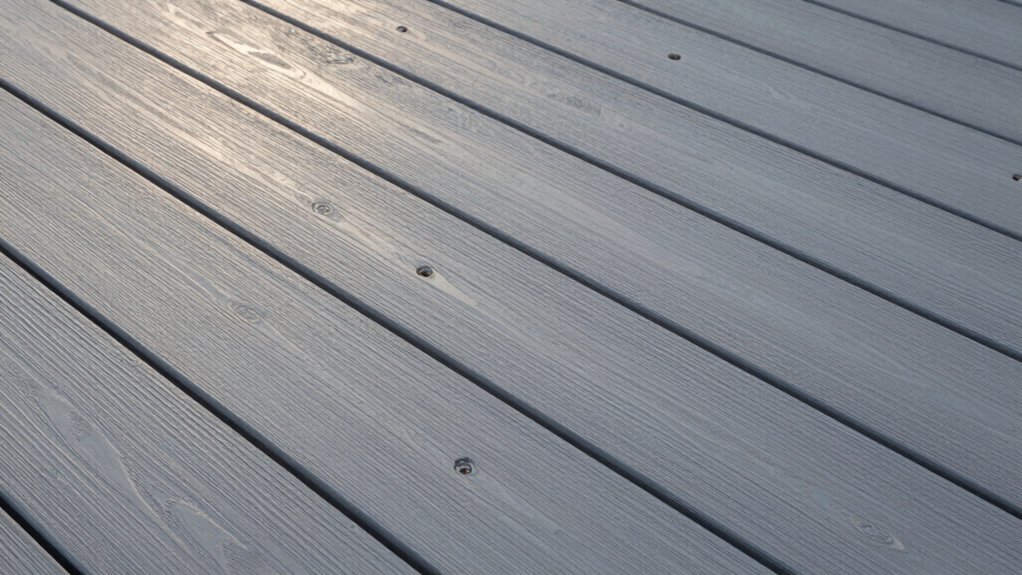
If you’re weighing options beyond painting, staining, sealing, or simply letting your deck age gracefully are solid paths to contemplate.
You can brighten or deepen the look with a stain that penetrates the surface and lets texture show through, or sealers that guard against moisture without changing color dramatically.
Leaving it as-is preserves the original tone and requires minimal maintenance, but may reveal older seams or color fading over time.
Color options vary by product: semi-transparent stains emphasize grain, while solid stains mute it.
Consider cost considerations: stains with UV protection cost more upfront but last longer, seals are typically cheaper but may require more frequent reapplication.
Choose based on desired appearance, maintenance tolerance, and climate exposure.
Maintenance After Painting: Longevity and Care
After you coat, monitor how long the finish lasts, so you can plan timely touch-ups and recoat intervals.
Regular cleaning and maintenance extend durability and keep the look, resisting wear from sun, rain, and foot traffic.
Plan repainting intervals based on observed wear, not a fixed calendar, and document when you resurfaced it.
Longevity After Coating
Coating longevity hinges on proper prep and ongoing care. After you apply a finish, monitor for early signs of wear, such as peeling spots or uneven sheen, and address them promptly to preserve deck durability.
Use a gentle cleaning routine to remove dirt without abrading the coating, which helps paint adhesion stay strong. Avoid harsh products that could break down the finish; when in doubt, follow the manufacturer’s guidelines for cleaners and buffers.
Recoat only when the current layer shows deterioration, not on a schedule. Protect against UV exposure with UV-blocking products designed for composite materials, and minimize friction from foot traffic or planters.
Consistent maintenance sessions extend the coating’s life and keep your deck looking even and durable.
Cleaning And Maintenance
Cleaning and maintenance after painting is essential to protect the finish and extend longevity. After you paint, clean remaining debris from the surface with a soft broom or blower, then rinse lightly with water to remove residue. Use a mild detergent sparingly if needed, and avoid harsh cleaners that can weaken paint adhesion.
Allow complete dry time before light use to prevent scuffing. Regular inspections help you catch chipping or fading early, which preserves deck durability. Touch up only chipped areas with matching product to maintain a uniform coat and prevent moisture ingress.
Protect from sharp impacts and excessive heat, which can compromise paint adhesion. Store brushes and rollers properly to prevent hardening and ensure reliable maintenance over time.
Repainting Intervals
Repainting intervals depend on how you used and maintained the deck, plus the type of paint or stain you applied. With proper prep, expect longer gaps between coatings, but plan for refresh cycles every 3–7 years depending on sun exposure and traffic.
Inspect for peeling, cracking, or softened areas at each season change, and address issues before repainting. A clean, dry surface improves paint adhesion and longevity; re-clean before every refresh to remove dust, algae, and debris.
For high-traffic decks exposed to sun, you may need more frequent touchups rather than full recoats. Use compatible primers and sealers to maintain deck durability and protect underlying fibers.
Record coating dates to track performance, and schedule reapplications before failures show, not after.
Is Painting Worth It for Your Deck? A Quick Decision Guide
Is painting your deck worth it, or is it better to skip the step? Decide quickly by weighing purpose, cost, and maintenance.
If you value color control and a refreshed look, painting offers a reversible change without replacing boards. But painting isn’t a cure-all: composite decking resists staining, fading, and moisture better when left unpainted, and some products void warranties.
Consider color options that complement your home and surrounding landscape; darker shades can show wear faster, lighter tones may need more coats.
Weather impact matters: paint adheres best in dry, moderate conditions, and UV exposure accelerates fading of pigment.
If you expect long-term durability with minimal upkeep, staining or sealing may suffice. If you crave customization and temporary updates, painting can be worth it.
Frequently Asked Questions
Will Painting Void Composite Deck Warranties?
Painting can void warranties, so check exact terms, but generally it’s not recommended. You should do proper deck prep, use suitable paints, and assess paint durability under foot traffic and weather exposure before proceeding.
How Long Does Paint Last on Composite Decking?
Paint on composite decking lasts variablely; expect 3–5 years with proper care. You’ll boost paint durability by thorough surface preparation, including cleaning, drying, and scuffing. Recoats endure longer if you monitor wear, moisture, and UV exposure.
Can I Airbrush or Spray Paint Composite Decks?
Sure—you can airbrush or spray paint composite decks, but prep thoroughly. You’ll need proper deck preparation, choose exterior-grade paints suited for plastics, and follow your paint selection with light, even coats and ample drying time.
Do All Composite Brands Accept Paint Equally Well?
Not all brands accept paint equally well. You should test surface preparation and verify paint compatibility for each brand, since results vary. Start with thorough cleaning, adhesion primer, and compatible topcoat to optimize color longevity and finish.
Is Repainting More Cost-Effective Than Replacement?
Repainting is usually more cost-effective than replacement, especially for existing decks. For deck maintenance, consider coatings with proven paint durability, proper surface prep, and compatibility with your composite. Budget, climate, and expected lifespan will guide your choice.
Conclusion
If you’re debating painting your composite deck, weigh the pros and cons and test a small area first. With the right prep, primer, and quality paint, you can refresh appearance and extend life. But expect maintenance and potential peeling if you skip steps. If it’s worth the effort, commit to a durable finish and routine checks. Remember: slow and steady wins the race—prep, paint, and protection pay off in the long run.