
Disclosure: This post contains affiliate links. As an Amazon Associate, we earn from qualifying purchases.
Yes, you can use decking oil on fences. It penetrates the wood to deepen color, boost water resistance, and protect against moisture, without forming a heavy film. Apply along the grain in thin, even coats, then wipe away any excess. Let each coat absorb for 4–6 hours before the next. Open-grain woods soak up more, so you may need an extra coat in harsher climates. If you want practical steps and tips, you’ll find more soon.
Should You Oil Your Fence? Pros, Cons, and a Quick Decision Framework

Yes, you should oil your fence, but it depends on the wood type, climate, and how you want the fence to perform. Start with a quick evaluation: is the wood softwood or hardwood, and is it experiencing weathering, rot, or splitting?
If you want a natural look that enhances grain, oiling is a solid option. Pros include easier maintenance, slower drying, and fewer coats than paint. Cons involve regular reapplication, potential mildew, and a glossy finish that may attract dust.
Use a breathable product, not a heavy sealer, to avoid trapped moisture. Schedule DIY maintenance during dry, mild days.
If you skip oil, you may need more frequent staining or sealant later. For decision-support, compare cost, effort, and appearance goals: fence staining versus oiling.
What Decking Oil Is and How It Works on Fences
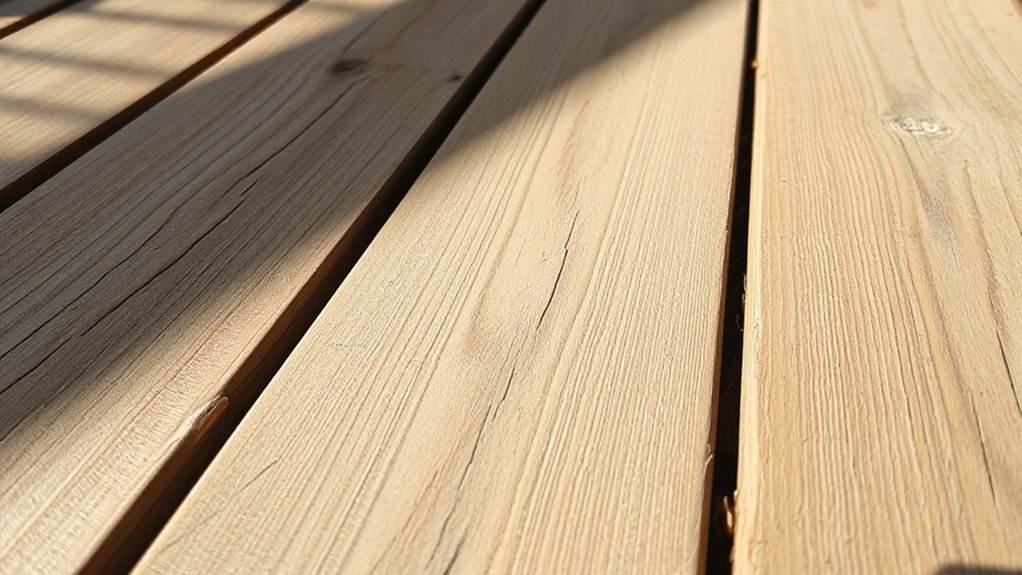
Decking oil soaks into the wood fibers, creating a barrier that helps repel moisture and slow gray weathering.
You’ll notice the oil travels deeper where the grain is open, improving resilience against rain and sun.
This discussion covers how penetration supports weather resistance and why that matters for fence longevity.
How It Penetrates Wood
When you apply decking oil, it soaks into the wood rather than sitting on top of it, taking the path of least resistance along the grain and into the pores. You’ll notice oil moves between fibers, filling the capillaries that open when surfaces are clean.
The key is even penetration: wipe away excess so it doesn’t pool and stay on the surface. As oil absorbs, it creates a penetrating film that seals tiny capillaries, reducing thirsty spots and uneven color.
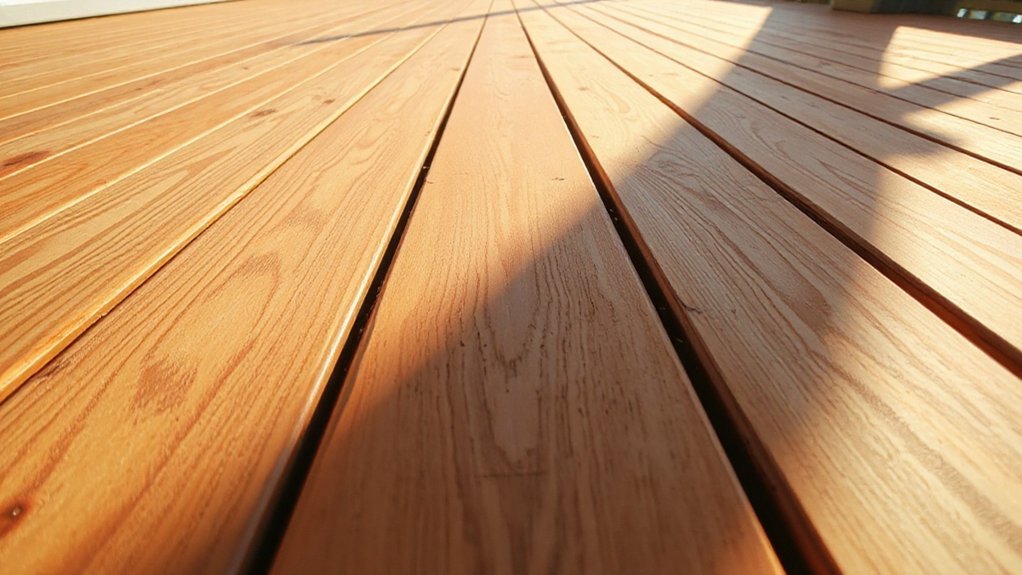
Wood grain guides distribution, helping you achieve uniform protection with a single coat. Your goal isn’t a glossy film, but steady oil absorption that enhances natural tone and grain depth.
Allow adequate time for penetration before wiping any remaining residue, and avoid over-application.
Weather Resistance Benefits
A key benefit of decking oil on fences is its improved weather resistance. You apply a thin, even coat that penetrates the wood, forming a protective barrier against rain, sun, and temperature swings. This barrier reduces surface swelling and helps minimize cracking over time.
You’ll notice UV protection slows color fading, preserving your fence’s hue longer between cleanings or reapplications. The oil also resists mildew when conditions stay damp, making maintenance easier.
For convincing results, follow manufacturer directions for cure times and recoat intervals, avoiding heavy buildup that can trap moisture. Regular, light reapplications keep the finish flexible and durable.
Over the long haul, you gain consistent color enhancement and steadier performance, even in exposed, high-wear areas.
Factors to Decide if Decking Oil Suits Your Fence
There are several factors to weigh when deciding if decking oil is right for your fence: the wood type, climate, and how you’ll use the space. Start by identifying the wood grain and porosity, since open-grain woods drink more oil and may need extra coats.
Consider climate: humid or rainy areas benefit from oils with water repellents and UV blockers, while hot, dry zones demand flexible films to prevent cracking.
Usage matters: if the fence frames high-traffic zones or pets, choose a durable, longer-lasting formula.
Evaluate color enhancement goals—some oils intensify the wood’s tone, others preserve a natural look.
Finally, check maintenance expectations; easier upkeep can guide your choice toward products with longer recoat intervals.
Balance durability, appearance, and practicality to match your fence needs.
How to Apply Decking Oil to Fence Boards
Before you start, prep the boards by cleaning, drying, and removing any loose paint or debris; this guarantees the oil penetrates evenly.
To apply, choose a non-greasy applicator—brush, cloth, or roller—based on board texture. Work in manageable sections, applying the oil along the grain with long, even strokes. Avoid overloading; wipe excess to prevent runs.
Maintain a steady pace to keep color uniform, reapplying thin coats as needed rather than a single heavy one. Let each coat absorb fully before adding another, usually 4–6 hours, depending on temperature and humidity.
For color enhancement, apply a final light pass with a dry brush to smooth streaks. Use even pressure and consistent technique to ensure durable protection and a natural, balanced finish.
Signs Your Fence Needs Reapplication and Maintenance Tips

If you notice peeling, fading, or gray patches on your fence, it’s a clear sign that the coating is failing and needs reapplication. Start with a visual check: look for raised grains, uneven sheen, or dark spots where moisture hides.
Prepare the surface by cleaning with a stiff brush and a mild cleaner; remove loose material and let it dry fully. Sand rough areas lightly to smooth the surface, then wipe away dust.
Reapply a fresh coat that emphasizes wood grain and color enhancement, ensuring even coverage along rails and boards. Use a quality product designed for decking oil and outdoor use.
Maintain the look by inspecting annually, addressing wear before it deepens, and storing containers properly to prevent premature exposure and thinning.
Alternatives to Decking Oil for Fence Protection
If you’re exploring options beyond decking oil, you’ll evaluate alternatives that protect wood and extend life. Consider wax coatings, water-repellent sealants, or penetrating stains as practical choices for fence protection.
Then compare durability, maintenance needs, and reapplication intervals. Start with a straightforward test on a small area to see how each method handles weather and your climate.
Alternatives To Decking Oil
There are several solid options besides decking oil for protecting fences, each offering different levels of water resistance, UV protection, and ease of maintenance. You’ll want to weigh how often you’re willing to recoat, the look you prefer, and the environmental impact.
Wood staining provides color while letting wood grain show through, with options ranging from transparent to semi-solid finishes.
Eco friendly finishes can reduce solvent smells and volatile emissions, yet still shield against moisture and sunlight.
Clear sealers offer minimal color change but strong protection, while solid stains mimic paint’s concealment and are easier to touch up.
For high-traffic areas, consider UV-stabilized formulas that resist graying.
Test products on a hidden area first, and follow manufacturer reapplication intervals for best results.
Fence Protection Methods
Choosing the right fence protection method means matching your goals to the product’s performance. You’ll weigh durability, look, and maintenance when picking a barrier for exterior wood.
If you want a natural beam feel with less maintenance, choose a penetrating wood stain that emphasizes grain while offering UV protection.
For higher color control and concealment of imperfections, paint options give a solid, uniform finish, but require more prep and repaint cycles.
Clear sealants guard against moisture without changing color, yet recoat timing matters.
For fences exposed to sun or rain, consider products with water resistance and mildew resistance.
Always follow surface prep steps—clean, dry, and lightly sand—before application.
Check recoat intervals and compatibility with adjacent materials to ensure lasting protection.
Frequently Asked Questions
Can Decking Oil Void Fence Warranty?
Yes, decking oil can affect your warranty if it isn’t approved by the manufacturer; check terms. For best results, choose fence paint or wood staining products that match your fence material, and document your application.
Does Oiling Affect Wood Grain Appearance on Fences?
Yes, oiling slightly deepens wood grain and can darken repaint-prep tones. You’ll see wood grain enhancement, but watch for blotching; apply evenly to preserve the natural finish preservation while you maintain a steady, practical maintenance routine.
How Often Can You Re-Oil a Treated Fence?
You can re-oil a treated fence every 1–3 years, depending on weather and wear. For fence maintenance, monitor dryness and reapply after cleaning. Use even oil application frequency, allow proper curing, and avoid over-saturation.
Is Decking Oil Safe for Pets and Children?
Yep, decking oil is generally safe for pets and children when fully cured and used as directed. Pet safety and chemical concerns depend on ventilation, label guidance, and non-toxic formulations; avoid spills and wash hands promptly, don’t ingest.
Can Oiling Fix Weathered or Cracked Boards?
Yes, oiling can help; it won’t fully fix deep cracks, but improves appearance and adds protection. Start with cleaning, sanding, then apply lightweight stain or oil. Fence staining and wood preservation steps prevent further weathering and extend life.
Conclusion
Yes, you can use decking oil on a fence, but weigh the trade-offs. Juxtapose beauty with maintenance: the oil makes knots pop and grain deepen, yet it needs regular reapplication and may soften in wet climates. You’ll gain natural color versus glossy sealant; you’ll also endure periodic upkeep. If you choose it, follow proper prep and reapply on schedule. If you prefer less fuss, consider solid stains or exterior paints. Either path protects, but only one fits your routine.