Disclosure: This post contains affiliate links. As an Amazon Associate, we earn from qualifying purchases.
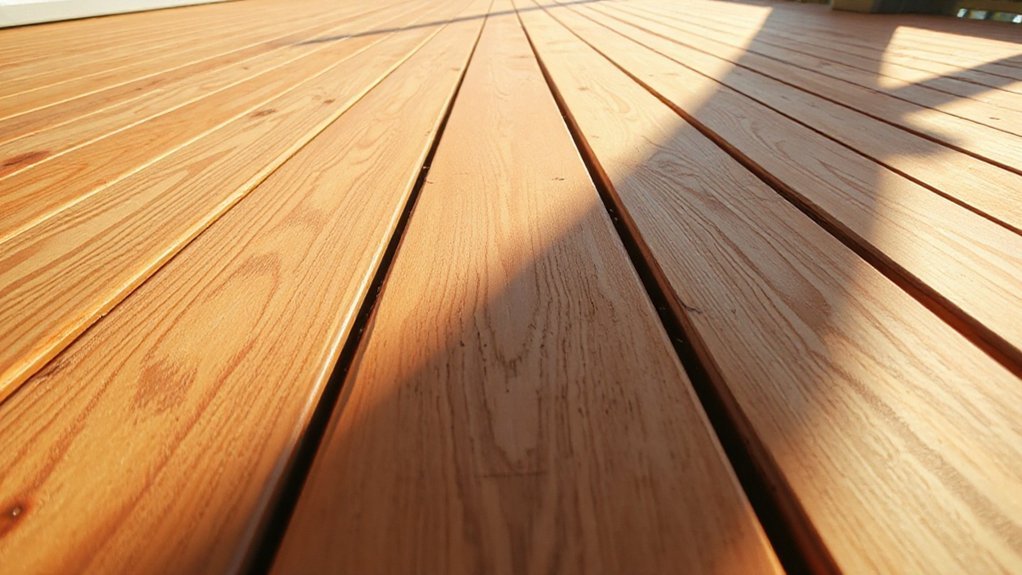
Yes. Decking boards should have gaps to drain water, vent beneath the surface, and prevent warping. Size gaps by material, climate, and sun exposure, keeping them consistent along the run. Wider gaps boost drainage and ventilation but catch debris; narrower gaps look cleaner but risk moisture entrapment. Use spacers and guarantee gaps stay proportional to board movement. Regularly inspect and adjust as needed. If you want specifics, there’s more you can learn next.
Why Deck Gaps Matter: Drainage, Airflow, and Longevity
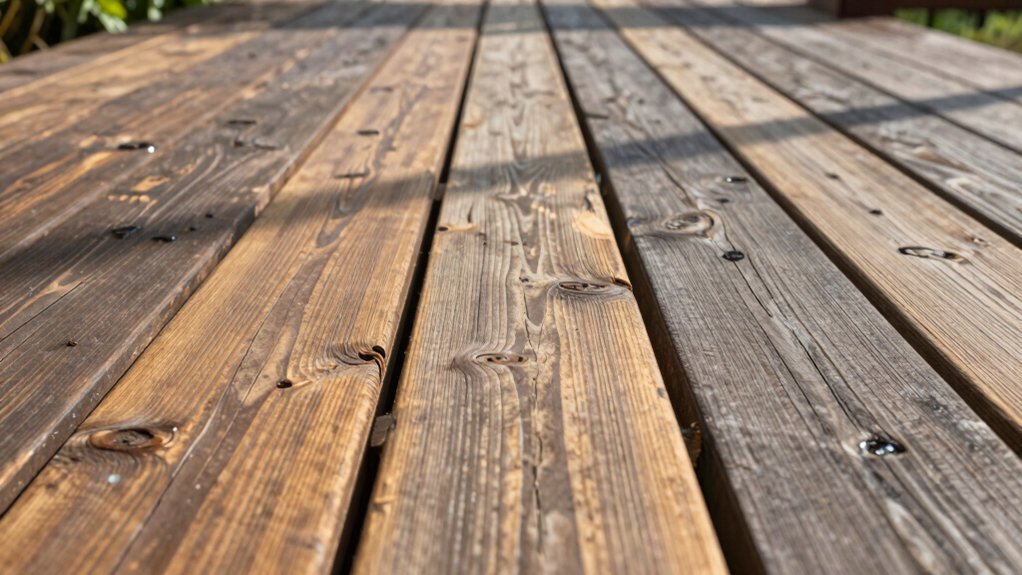
Gaps in decking boards are essential for drainage, airflow, and longevity. You need them to prevent water buildup that invites rot and mold, and to reduce surface slickness after rain. Small gaps permit moisture to escape while keeping the deck structurally sound, so you aren’t fighting hidden decay later.
Proper gaps also support ventilation, which helps the deck dry faster and minimizes warping risks from temperature swings. When you choose deck stain, you’ll notice that some finishes interact with board color, influencing appearance and maintenance needs.
A consistent gap pattern stays visually even, aiding inspection and longevity. In short, gaps aren’t cosmetic; they’re a critical design and maintenance factor for a durable, safe outdoor surface.
How to Size Gaps by Decking Material
Choosing the right gap size starts with knowing your decking material, because different woods and composites respond to moisture and expansion differently. To size gaps effectively, identify your material’s typical expansion behavior and install gaps accordingly.
For natural wood, expect seasonal swelling; for composites, expect minimal movement but consider product-specific guidance. Measure board width, then apply manufacturer tolerances for expansion and contraction.
Maintain consistent gaps along the length to avoid trapping moisture and to support drainage. Use a spacer method to keep even spacing during installation, adjusting for butt joints and end-board alignment.
Document your material selection choices and how gaps align with garden aesthetics and overall design. Proper gap sizing simplifies maintenance and reinforces durable, balanced deck performance.
Climate and Sun Exposure: Choosing Gap Ranges
Seasonal sun exposure shifts your gaps, so you must account for hotter days widening and cooler days narrowing them.
Climate conditions also affect how gaps behave over time, making material selection and expansion a practical priority.
Consider each decking material’s thermal expansion when setting gap ranges to keep boards stable and water draining correctly.
Seasonal Sun Exposure Variances
Seasonal sun exposure can cause deck boards to expand and contract at different rates, so you should plan gap ranges that accommodate these shifts across the year. You’ll be basing gaps on board width changes from spring to late summer and the cooling period in autumn, ensuring joints don’t bind or pinch.
Use a practical, conservative approach: measure at mid-summer and mid-winter for your climate, then set uniform gaps that tolerate the extremes. Consider board material variability; some species expand more than others, affecting installation tolerance.
Document how gaps influence garden aesthetics and maintenance steps, so future guests understand the design intent. Track material costs alongside gap choices, because smaller gaps can raise finishing expenses while larger gaps may reduce need for seasonal adjustments.
Prioritize predictable performance and easy inspection year-round.
Climate Impact On Gaps
The gaps you set should account for how climate and sun exposure drive board movement, not just the weather. In practice, you’ll anticipate seasonal expansion and contraction, ensuring gaps remain functional year round. Warmer days increase board width; cooler nights decrease it.
If you live in a sunny climate, wider gaps offset end-to-end bowing and cupping, while shaded areas may tolerate smaller tolerances without binding. Consider humidity fluctuations, since moisture changes influence wood and composite behavior.
Your gap strategy should balance drainage with comfort underfoot, avoiding trip hazards and puddling. Also weigh board aesthetics against performance: larger gaps can look deliberate and modern, but excessive spacing may undermine visual cohesion.
Finally, cost considerations matter; ideal gaps reduce warranty issues and maintenance without inflating upfront expenses.
Decking Material Thermal Expansion
Have you accounted for how climate and sun exposure drive decking material expansion and contraction? You should expect noticeable changes with temperature swings and moisture cycles. Temperature dictates most movement: hotter days expand boards, cooler nights shrink them.
Humidity affects softer woods more than composites, but all materials respond to moisture to some degree. Plan gaps that accommodate seasonal growth without creating trip hazards or water pooling. Consider installation techniques that lock boards securely while still allowing edge play, and choose fasteners and clips suited to your material’s expansion profile.
For decking aesthetics, consistent gaps matter to the visual rhythm across the surface. Anticipate sun exposure differences across the deck and schedule board orientation accordingly. Document your gap strategy to support long-term performance and maintenance.
Wide vs. Narrow Gaps: Advantages and Trade-Offs
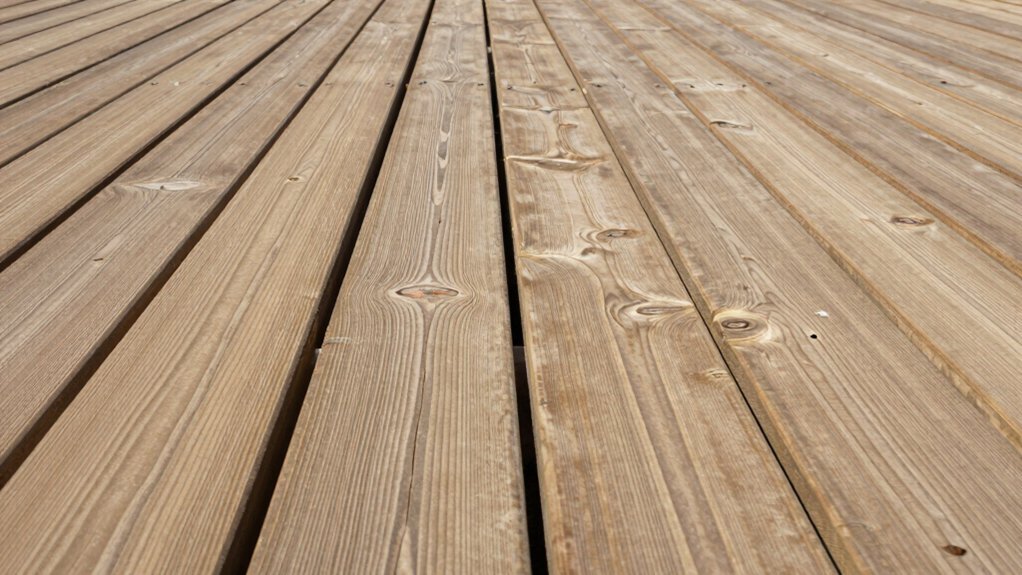
When choosing decking board gaps, you’ll weigh wide versus narrow spacings for expansion, drainage, and appearance. Wide gaps improve drainage and ventilation, reducing moisture-related issues but can invite debris intrusion and create a more pronounced outline of board ends.
Narrow gaps offer a cleaner, continuous look and fewer tripping hazards, yet may trap moisture and hinder airflow, increasing warp risk in humid climates. Your choice depends on climate, wood type, and maintenance willingness.
Consider how hidden fasteners influence the overall flush appearance, especially with wider gaps that reveal more substrate between boards. Color variation can become more noticeable with larger gaps, as light exposure differences skew perception.
For a balanced result, test patterns on a small area and select gap spacing that aligns with maintenance plans and aesthetic goals.
Gapping for Wood Expansion and Contraction
Gapping for Wood Expansion and Contraction isn’t about aesthetics alone; it directly governs deck durability. When you install decking, you must account for movement caused by moisture and temperature shifts.
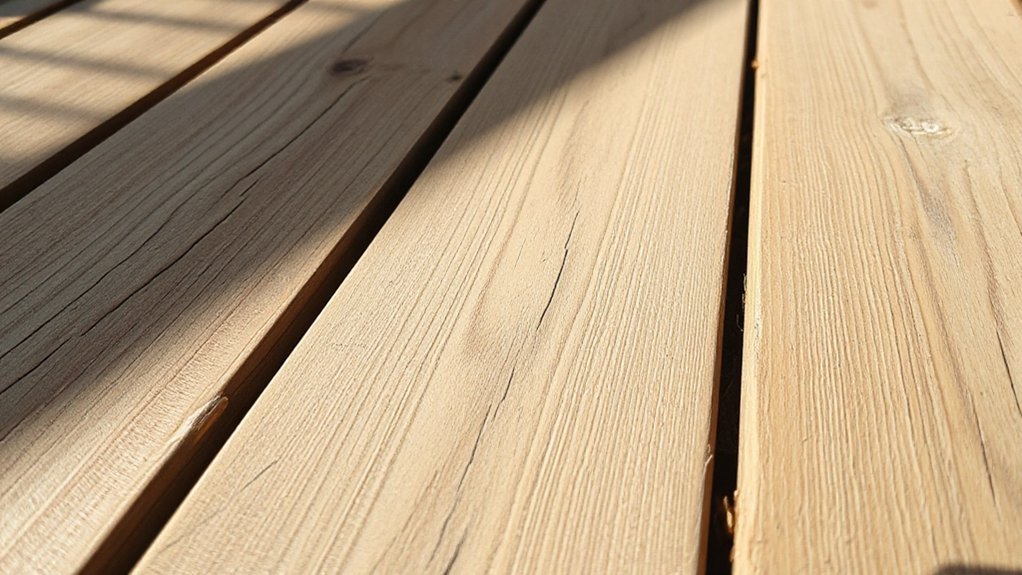
Wood expands across its width and contracts across its thickness, influenced by wood grain orientation and species properties. Plan gaps to accommodate this activity, preventing buckling, warping, or sustained pressure on fasteners.
Consider color variation and how exposed boards react to sun exposure; darker boards may heat more and shift differently than lighter ones, altering gap perception over time.
Use consistent gap spacing across boards and maintain alignment with substrate joints. Regular inspection helps you catch changes early, ensuring load paths stay intact and the deck remains safe and long-lasting.
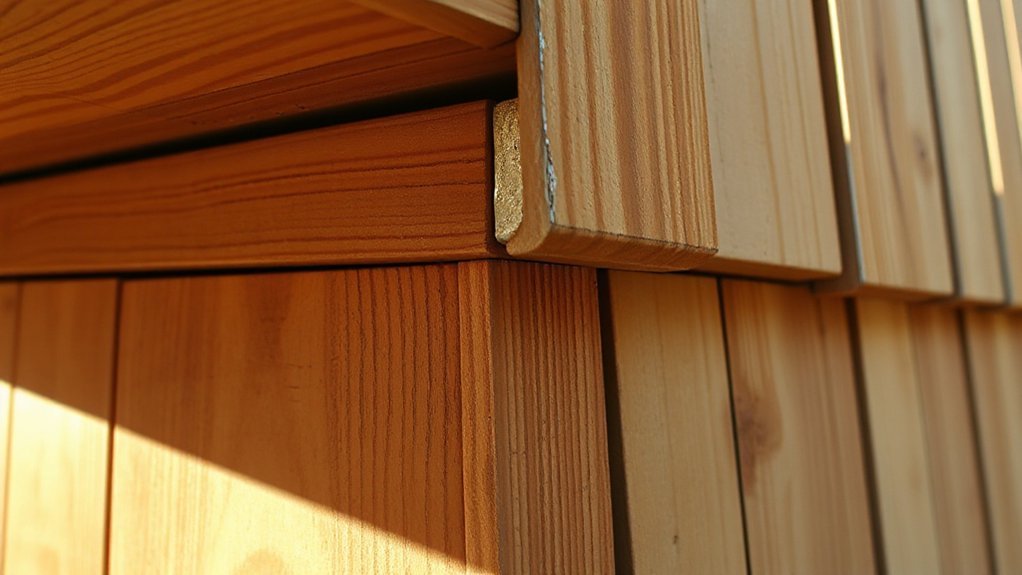
Aligning Railing Posts and Board Orientation for Inspection Ease
Aligning railing posts and board orientation from the start makes inspections smoother and safer. You set precise deck alignment during framing, ensuring posts align with string lines and corner references. This reduces replay checks later and minimizes ambiguity when measuring deflection or alignments.
Prioritize consistent post spacing to maintain uniform load paths and railing geometry. Use a layout plan that marks post locations, then verify against the final deck surface before fastening.
Orient boards so joints land away from posts where possible, simplifying access for inspection tools and future maintenance. Document any deviations from spec and correct on-site before covering.
Cleaning, Debris, and Airflow: Maintenance Implications
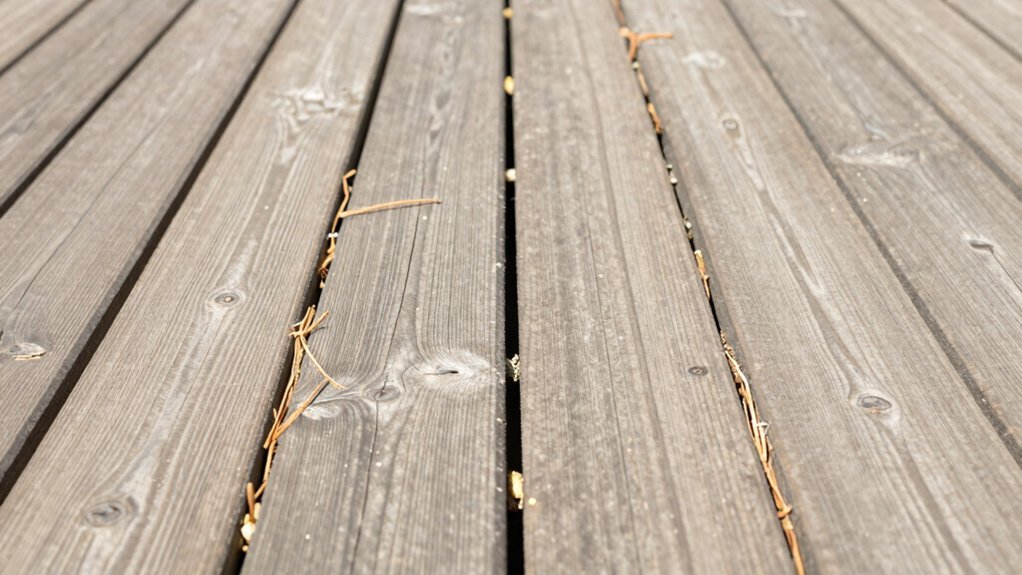
Debris buildup can clog gaps and harbor hazards, so you should clear it regularly and inspect for trapped moisture.
Allowing airflow between boards aids drying after rain or cleaning, reducing rot risk and extending lifespan.
Cleaning frequency directly affects debris removal effectiveness and overall maintenance timing, so set a practical schedule based on use and surroundings.
Debris Buildup Hazards
Maintenance hinges on keeping decking surfaces clear of debris, since buildup can obstruct airflow, trap moisture, and invite rot or pests. Debris buildup hazards aren’t just cosmetic; they degrade timber integrity and invite decay between boards.
You should routinely remove leaves, pine needles, and organic waste before they compact into a dense mat. Use a broom or blower for surface clearing, and wash stubborn grime with a mild detergent solution to avoid staining.
Regular inspections help you identify areas where debris collects in gaps or under boards, necessitating timely cleaning or board replacement. In deck design discussions, consider how debris impacts maintenance frequency and overall longevity.
For aesthetic considerations, minimize rough textures that trap matter. Effective upkeep supports durable decking design and sustained visual appeal.
Airflow For Drying
To prevent moisture buildup and extend deck life, guarantee open airflow beneath and between boards so drying occurs quickly after cleaning or rain. Airflow for drying hinges on gap placement and the relative board thickness you choose. Maintain consistent gaps to prevent water pooling and to avoid channeling dust or debris that could obstruct airflow.
When you assess deck color, consider how darker tones may retain heat and slow evaporation if airflow is insufficient. Confirm ventilation paths remain clear of leaves or litter that can clog gaps and impede drying.
Your aim is predictable drying times after wash or rain, so monitor the relationship between board thickness and gap size—too-tight joints trap moisture, too-wide gaps invite rapid surface cooling but risk structural exposure.
Cleaning Frequency Effects
Cleaning frequency directly affects how well airflow dries and how quickly debris and moisture are removed from the deck. If you clean too rarely, surface dirt and organic matter build up, clogging gaps and trapping moisture that can promote mold and wood rot.
Schedule routine sweeps and washing after heavy use or storms, and tailor each interval to local climate and shade exposure. Regular cleaning helps prevent slippery residue and keeps garden furniture spaced away from damp edges, aiding airflow and reducing seasonal pest hotspots.
Use a stiff brush and mild detergent, rinse thoroughly, and let boards dry completely before reusing. Consistency matters for pest prevention, deck longevity, and maintaining a safe, inviting outdoor space.
Tools, Measurements, and Best Practices for Precise Gaps
For precise gaps between decking boards, you’ll rely on a few essential tools: a tape measure or ruler for setting width, a carpenter’s square or straight edge to verify alignment, a caliper for exact thickness checks, and spacers or a dedicated decking gap gauge to maintain consistent spacing.
With these primitives, you establish repeatable spacing at every board joint, minimizing wobble and uneven edge lines. Measure twice, cut once, and confirm plain planks align along both run and end. Use spacers during installation and double-check with a straightedge after layout.
Record material color and plank thickness to anticipate visible seams across decking aesthetics. Keep gaps uniform to support drainage, airflow, and long-term performance, avoiding tight fits that trap moisture and warp boards.
Common Mistakes and Retrofit Fixes for Gaps
Common gaps aren’t just cosmetic; they can trap moisture, invite weeds, and cause uneven edges as boards expand and contract. You’ll frequently see these mistakes: spacing boards too tightly, ignoring drainage, or relying on seen dimension targets without checking actual deck movement.
Retrofit fixes start with a measured assessment: verify drainage slope, adjust fastener patterns, and fill persistent gaps with color-matched, flexible trim or deck plugs where appropriate. If boards are cupping or twisting, consider replacing affected boards and resecuring with analogue fasteners that permit seasonal movement.
Maintain decking aesthetics by choosing fillers that blend with wood tone and grain. Environmental considerations matter: avoid harsh sealants that trap moisture, and select breathable products.
Address gaps proactively, and your deck stays safer, longer.
Frequently Asked Questions
What Gap Size Is Best for Composite Decking?
For composite decking, aim for a 1/8 to 1/4 inch gap, prioritizing Board spacing and adequate Ventilation requirements for expansion. You should assess manufacturer recommendations, guarantee consistent gaps, and maintain drainage and airflow across the deck.
Do Gaps Affect Termite Prevention on Decks?
Gaps don’t directly prevent termites, but they affect moisture and debris buildup, impacting decking aesthetics and deck stability. Keep gaps consistent to promote airflow, minimize rot, and support structural integrity, while treating timber and inspecting for pests regularly.
Should Gaps Vary by Direction of Board Installation?
Sure, gaps should vary with installation orientation to optimize drainage. You’ll set board spacing according to the direction, accounting for expansion. You install with precision, satire barely hiding, because practical results trump vanity in deck construction and termite concerns.
How Do Seasonal Gaps Impact Deck Warranty Terms?
Seasonal gaps can affect your deck warranty terms; follow exact maintenance guidelines to guarantee voids. Regular deck maintenance and pest control are essential, documenting changes seasonally ensures you’re covered if issues arise about expansion, contraction, or moisture damage.
Can Gaps Cause Water Pooling on the Decking Surface?
Yes, gaps can help water drainage and prevent pooling, improving deck safety. Make certain spacing aligns with manufacturer specs; too small gaps trap moisture, too large undermines stability. Regularly inspect for debris, warped boards, and proper drainage pathways.
Conclusion
You might hear that gaps alone determine a deck’s fate, but truth isn’t that simple. Gaps matter, but so do material, climate, and maintenance. When you pair the right gap sizes with proper drainage and airflow, you extend deck life and minimize warping or rot. Don’t buy into a one-size myth. Stay practical: measure, plan for expansion, clean regularly, and adjust as seasons demand. The theory isn’t doom or destiny—your routine fixes the outcome.