Disclosure: This post contains affiliate links. As an Amazon Associate, we earn from qualifying purchases.
Decking tiles are a practical, stylish way to refresh outdoor spaces you own, install, and reconfigure in hours without messy mortar. You get quick upgrades, easy maintenance, and flexible layouts with solid drainage and interlocking systems. Choose durable materials suited to your climate, follow installation steps, and use edge trims to finish cleanly. They’re not perfect—some wear from weather and DIY gaps can occur—but with proper choice and care, you can expect solid value. Curious what else works well for you?
Decide If Decking Tiles Fit Your Space: Key Criteria to Check
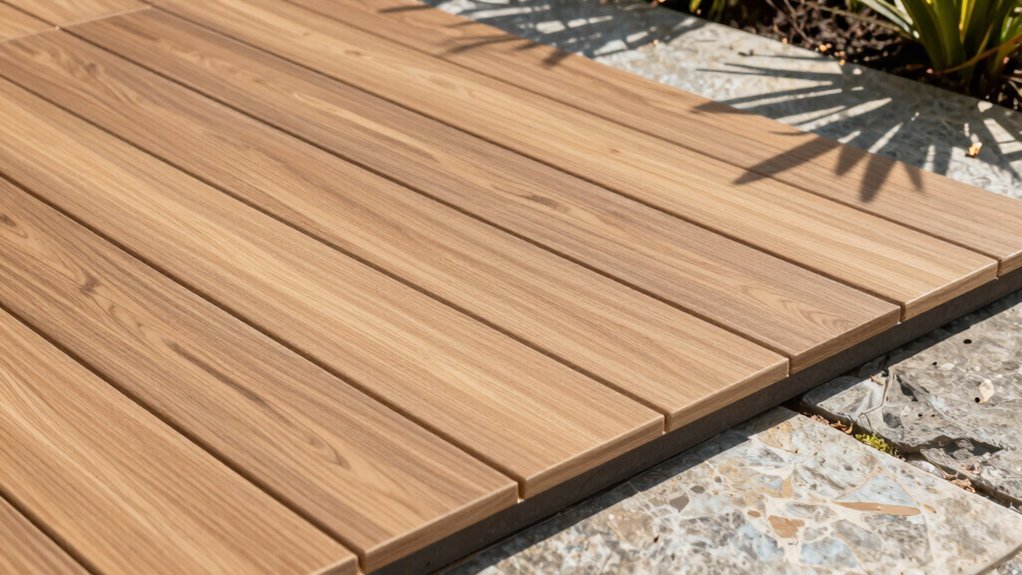
Before you buy decking tiles, assess whether they’ll actually fit your space. Start by measuring length, width, and any obstructions like doors, steps, or railings, then compare to tile dimensions plus necessary gaps for drainage and expansion.
Think about access paths, furniture, and traffic flow; you don’t want pinch points or uneven seating areas.
Check substrate condition: levelness, moisture, and stability matter, or you’ll lose performance and finish.
Visualize the look with interior decor goals in mind; choose colors and patterns that harmonize with existing elements, or use artistic patterns to create focal points without overpowering the room.
Consider drainage and maintenance needs, staining, and UV exposure.
Finally, confirm installation feasibility in your space, budget, and timeline, ensuring long-term satisfaction and ease of upkeep.
How Decking Tiles Work: Structure and Materials
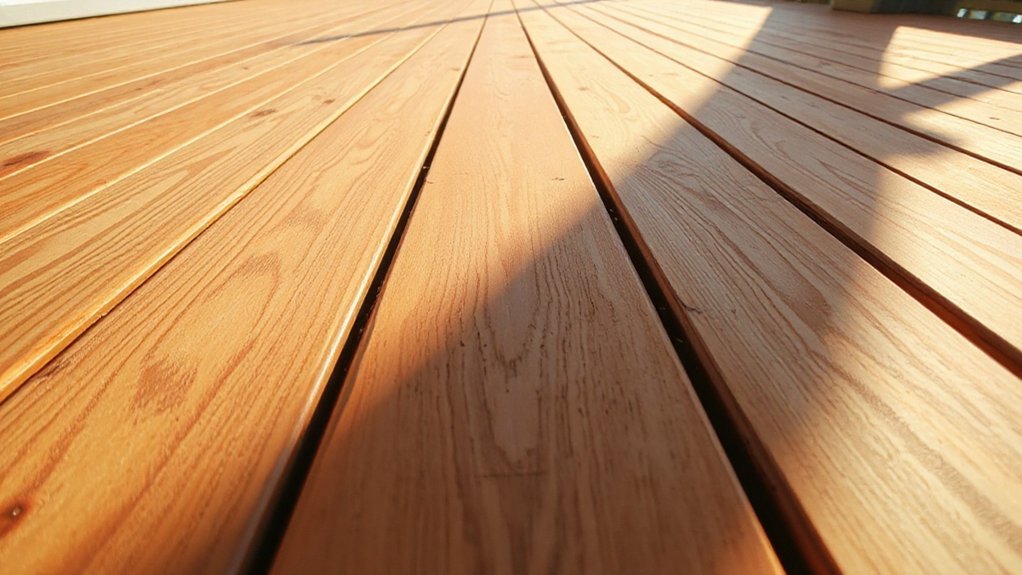
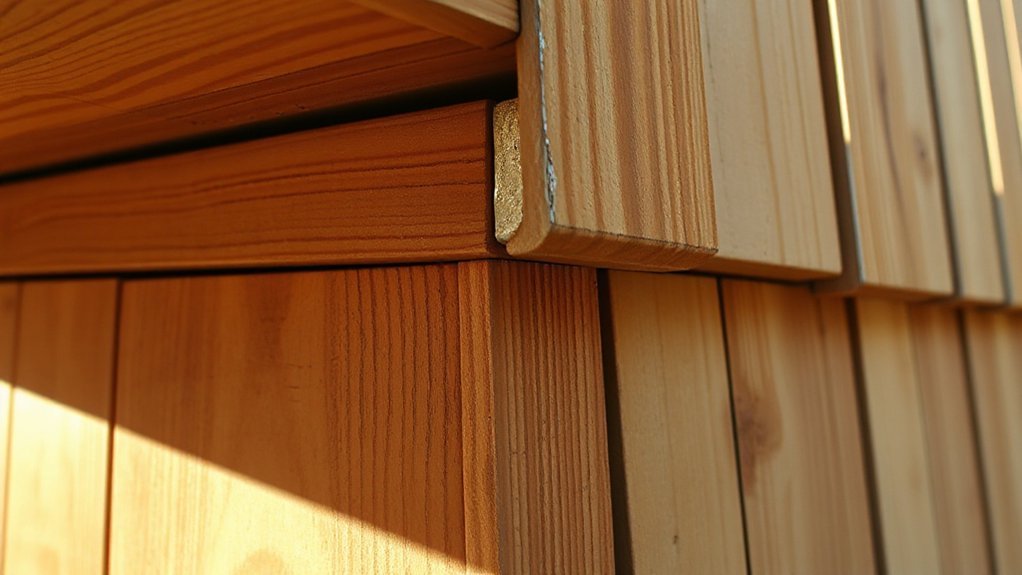
Decking tiles are built to snap into place or rest securely on a prepared surface, combining a durable top with a supportive understructure that handles foot traffic and weather. You’ll notice the top is typically a weather-resistant composite, wood, or stone-look laminate, while the understructure uses interlocking tracks, cross-ribs, or a grid that elevates tiles to promote drainage.
This combination supports stability, easy replacement, and consistent spacing. As you work through installation tips, you’ll align edges, ensure a level base, and lock tiles with minimal tools.
Material comparisons matter: composites resist rot and fading better than untreated wood, while breathable underlayers prevent moisture buildup. A well-chosen system reduces wobble and weed growth, delivering a smooth surface.
Precision in layout, fasteners, and alignment matters more than appliance-like complexity.
Pros of Decking Tiles: Quick Install, Low Maintenance, Modern Look
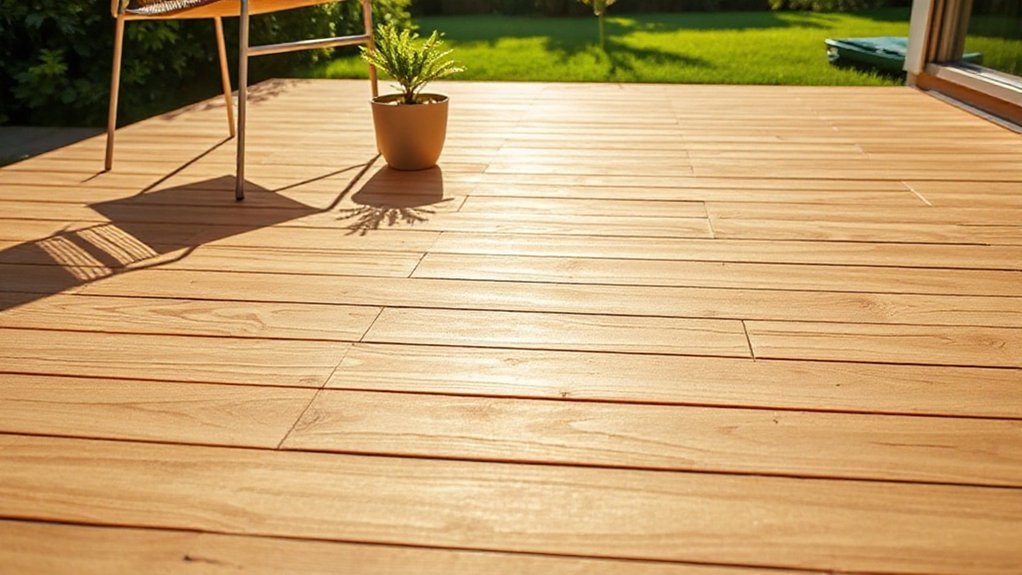
Decking tiles shine in three clear ways: quick install, low maintenance, and a modern look that fits any outdoor space. You’ll appreciate how modular tiles snap together, letting you lay a floor in hours rather than days, with no messy mortar.
Maintenance stays simple: a quick sweep and occasional wash keep colors vibrant, while drainage channels prevent puddling after rain. The slim profile minimizes alterations to stairs or thresholds, so you can upgrade entryways without a full renovation.
Aesthetically, the tiles deliver a clean, contemporary vibe that harmonizes with indoor decor when you extend living spaces outdoors. You gain flexibility to reconfigure layouts as tastes shift, preserving aesthetic appeal and usability without costly changes.
Practical, durable, and stylish, this option suits practical homeowners.
Cons of Decking Tiles: Durability and Weather Considerations
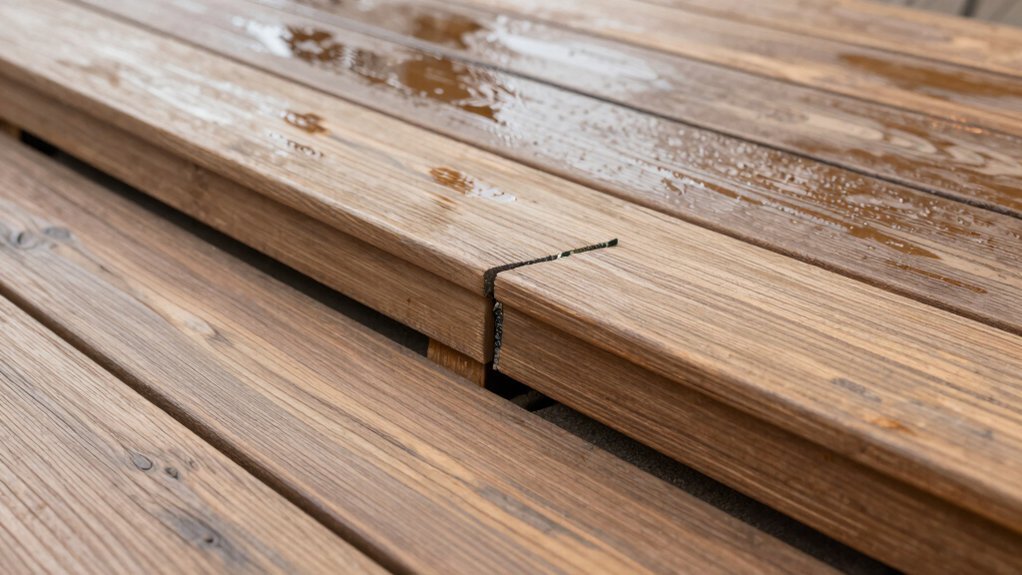
You should know there are durability trade-offs with deck tiles, since some materials can scratch, fade, or loosen over time under traffic.
Weather durability limits vary by material, with heat, moisture, and freezing cycles potentially weakening joints and supports.
If you want a long-lasting install, you’ll need to weigh material resilience against climate and maintenance needs before choosing.
Durability Trade-Offs
While decking tiles offer easy installation, their durability can be uneven across materials and climates. You’ll notice that some options resist wear better than others, and seasonal changes can reveal weaknesses you didn’t anticipate.
In practice, this trade-off shows up as costlier replacements or reinforcements when heavy foot traffic or sun exposure wears surfaces unevenly. You should expect variation in decking tile cores, fasteners, and surface textures, which can influence longevity and maintenance needs.
To minimize risk, prioritize thicker tiles with solid interlocking systems and moisture-resistant bases. Consider how your environment affects stress points, since soil erosion around edges can undermine stability, and pest resistance differs by material.
Weigh long-term durability against upfront price to make a calm, informed choice.
Weather Durability Limits
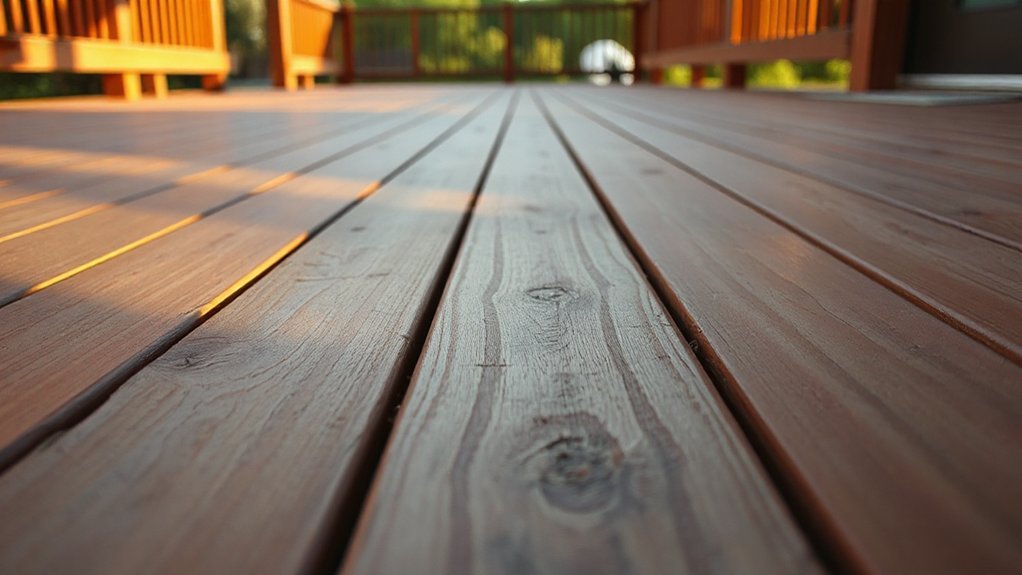
Weather can reveal decking tiles’ limits quickly: extreme sun, rain, and freezing cycles push materials beyond their comfort zone, leading to fading, warping, or loosening fasteners. You’ll notice color loss from solar glare, and joints may loosen as boards expand and contract with temperature swings.
Weather durability isn’t limitless; cheaper composites can haze or crack, and wood-look tiles often hinge on primer and sealant performance, which degrade over seasons. Consider pest resistance too: some tiles resist insects well, but gaps invite nesting and damage in damp climates.
Choose a product with UV-stable pigments, robust edge profiles, and tested freeze-thaw stability. For longevity, plan maintenance intervals, reseal when needed, and store loose tiles properly during harsh winters. Prioritize proven warranties and real-world performance data.
Choose Outdoor Decking Tiles: Material Options by Climate
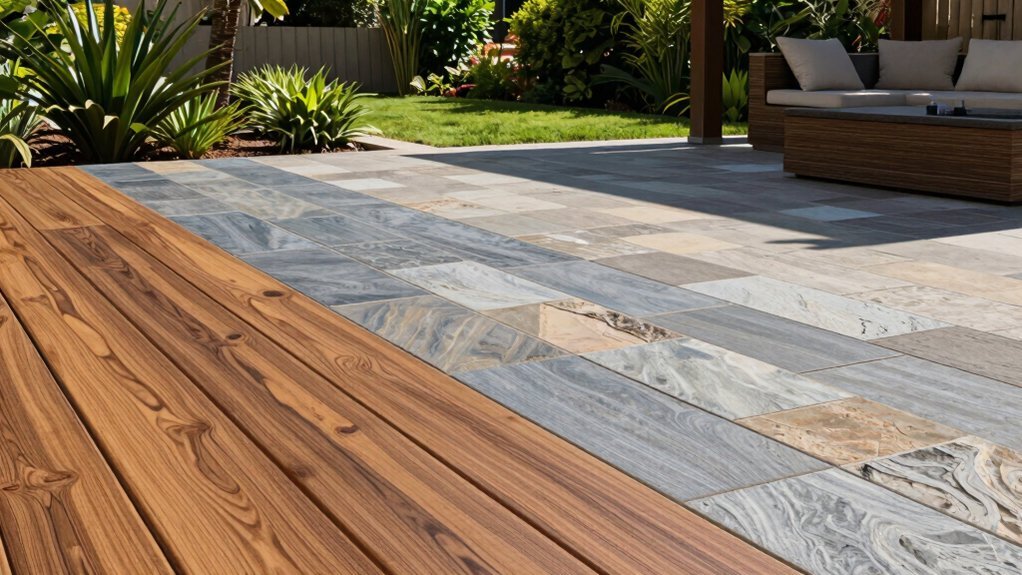
If you’re choosing outdoor decking tiles, you’ll want climate-ready materials that hold up where you live—think weather resistance, UV stability, and minimal maintenance.
Consider tile durability choices that suit your climate, from moisture-prone areas to hot, sun-soaked patios, so your investment lasts longer.
Climate-Ready Materials
Choosing outdoor decking tiles that suit your climate starts with matching materials to temperature swings, moisture, sun exposure, and freeze–thaw cycles. Climate-ready options balance durability and maintenance, so you don’t fight weather every season.
If you live in sun-heavy regions, look for UV-stable finishes and fade resistance, plus boards that stay cool underfoot. In moisture-prone climates, pick water-shedding profiles and mold-resistant substrates.
Temperature extremes demand materials with low thermal expansion and robust rigidity. For coastal or salty air, corrosion-resistant fasteners and salt-tolerant coatings matter.
When you want quick, eco-conscious choices, consider synthetic materials that mimic real wood without the upkeep. Eco-friendly options include recycled-content composites and responsibly sourced cores.
Prioritize performance data, installation ease, and warranty coverage to ensure your climate-ready tiles endure year after year.
Tile Durability Choices
Durability is the core you feel when you pick outdoor decking tiles for any climate. When evaluating tile durability choices, you weigh materials against exposure: moisture, heat, UV, and temperature swings.
Concrete composite tiles offer strength and low maintenance, resisting warping and staining, but may feel rigid underfoot.
WPC and stone-polymer blends balance grip and longevity, handling humidity and heavy traffic with minimal upkeep.
Porcelain and ceramic options promise dense, stain-resistant surfaces, though installation must ensure proper drainage and support.
For outdoor use, choose textures that resist slipping when wet and coatings that prevent fading.
Indoor applications may require less aggressive finishes, but you still want stability and easy cleaning.
Consider environmental impact, warranty terms, and replacement costs.
Alternative flooring guides help you compare options quickly.
Best Uses for Decking Tiles: Balconies, Gardens, Rooftops
Decking tiles shine on balconies, gardens, and rooftops because they’re quick to install, versatile, and affordable. You’ll immediately transform gray or bare spaces into usable, moisture-tolerant zones you’ll actually use.
On balconies, choose compact patterns that maximize area without crowding, and install edge trim for a clean look.
In gardens, pair tiles with planters and stepping stones to create defined paths and seating nooks, while drainage remains practical and unobtrusive.
Roofs benefit from interlocking systems that resist heat, with lighter colors reducing heat transfer. You’ll appreciate setups that snap together, require minimal tools, and disassemble for seasonal changes.
For Indoor aesthetics, select neutral tones or subtle textures to support decorative accents, keep lines cohesive, and avoid visual clutter. This approach yields durable, stylish outdoor rooms you’ll enjoy year-round.
Compare Costs and Long-Term Value of Decking Tiles
When you compare costs across decking tiles, you’ll see upfront prices vary by material, thickness, and finish. But installation and maintenance can swing the long-term bill as well.
Consider how durable each option is over time, because a higher initial price may pay off with fewer replacements and easier upkeep.
Weigh short-term costs against long-term value to choose tiles that save you money and hassle for years to come.
Cost Comparison Across Tiles
Choosing decking tiles often comes down to a practical balance of upfront price and long-term value; while some options cost more to start, they can save you money over time through easier maintenance and longer lifespans.
You’ll compare material costs, substructure needs, and install modes to forecast total outlay. Ceramic, composite, and wood-look options each bring different price points and maintenance burdens, so your final choice should reflect typical installation challenges and downtime estimates.
Don’t overlook fasteners, underlayment, and trimming pieces that can add hidden costs. Aesthetic options influence value far beyond sticker price, affecting resale and satisfaction.
Look for warranties, replacement part availability, and compatibility with existing decking. With clear math and realistic timelines, you’ll pick a durable, affordable solution that suits your outdoor space.
Long-Term Value Considerations
Long-term value hinges on more than upfront price. When you weigh decking tiles, you’re balancing durability, maintenance, and aesthetic staying power, not just sticker shock.
Synthetic alternatives often offer longer lifespans and easier upkeep, reducing repainting or sealing costs over time. Consider resistance to fading, moisture, and temperature swings, since a tile that resists wear saves money across seasons.
You’ll also want to assess installation implications and potential warranty coverage, because a robust warranty translates into predictable costs later.
Compare interior options for indoor-close applications where foot traffic differs and cleaning needs vary.
Finally, think resale value: a durable, low-maintenance deck surfaces higher appeal. In short, pick a solution that minimizes ongoing expenses while preserving look and function.
Install Decking Tiles: Step-by-Step Tips for a Solid Setup
Installing decking tiles is a smart, fast way to refresh a space without a full rebuild. You’ll want a clean, level base first: remove debris, sweep, and verify joists or existing substrate is dry.
Plan layout by dry-fitting tiles to avoid awkward cuts, then pair tiles with edge trim where needed. Use interlocking or grid systems as designed, ensuring seams align and packs stay snug.
For stability, press tiles firmly and test a few in-place before committing. Secure high-traffic areas with heavier, non-slip tiles or mats and leave expansion gaps at walls or planters to accommodate movement.
Maintain attractiveness by rinsing with mild soap, avoiding harsh chemicals. This approach supports garden decor and interior design goals without overhauling structures.
Maintenance Hacks to Extend Decking Tile Longevity
To extend the life of your decking tiles, start with a simple, proactive routine: clean regularly, inspect seams, and address wear before it worsens. You’ll protect joints by sweeping off dirt and leaves, then washing with mild soap and water. Dry thoroughly to prevent mold.
Check for lifted edges weekly; re-secure loose tiles with appropriate fasteners or adhesive strips, avoiding moisture traps. Seal hardwood tiles every 1–2 years, if factory finish allows, to resist staining and UV damage. Rotate tiles seasonally to equalize sun exposure and wear.
Use garden and outdoor-safe cleaners, avoiding harsh chemicals near furniture. For interior-adjacent setups, maintain indoor moisture balance to prevent warping. This approach complements Gardening tips and enhances Indoor decor without overdoing maintenance.
Common Pitfalls With Decking Tiles and How to Avoid Them
Decking tiles can transform a space, but many beginners stumble on common pitfalls that undercut their look and durability. You’ll avoid issues by planning layout first, measuring precisely, and choosing compatible bases. Skip quick installs on uneven ground; gaps will trap moisture and invite warping. Secure tiles with compatible fasteners and follow manufacturer spacing for expansion, especially in temperature swings. Watch for drainage: ensure slopes direct water away, not beneath tiles.
Regular cleaning prevents grime that can creep into joints and discolor surfaces. Pest prevention matters: seal gaps and inspect edges to deter insects and fungi. Color options impact wear patterns, so rotate or mix shades to disguise fading.
Finally, store and cover spare tiles to prevent UV damage, and perform seasonal checks to catch loose fittings early.
Frequently Asked Questions
Can Decking Tiles Support Heavy Furniture or Crowd Loads?
Decking tile durability varies; most panels handle moderate loads but not heavy furniture or crowds. You’ll want solid substructure and recommended spacings. You’ll encounter installation challenges that, once overcome, deliver sturdy support for lighter seating and planters.
Are Decking Tiles Slip-Resistant When Wet?
Yes, decking tiles can be slip-resistant when wet, since many offer non slip surfaces and enhanced wet safety. You’ll appreciate practical grip, even with rain; you’ll avoid accidents, and you’ll feel confident choosing features that prioritize your footing.
Do Tiles Require Gridding or Subfloor Prep?
Yes, you need proper deck preparation and verify grout requirements. You don’t skip subfloor prep; ensure flatness and moisture barriers, then grout as specified. This approach prevents movement, improves stability, and prolongs tile life.
How Weatherproof Are Wooden Decking Tiles Long-Term?
You’ll like this: wooden decking tiles weatherproof well long-term if properly installed, with about 80% of homeowners reporting minimal warping over five years. They enhance garden aesthetics while reducing maintenance requirements, especially when you choose rot-resistant timber.
Can Tiles Be Cut or Customized for Irregular Spaces?
Yes, you can cut or customize tiles for irregular spaces. Use cutting tools carefully, plan layouts, and account for gaps. Consider customization options like border pieces and trimming; precision matters for a clean, secure fit.
Conclusion
Decking tiles can transform a space fast, but truths matter: they’re not miracle upgrades. If you want quick installs and low upkeep, they deliver—yet durability hinges on climate, subfloor prep, and tile quality. Investigate materials, ventilation, and drainage before you buy. With proper layout, edge edging, and regular maintenance, you’ll enjoy a modern deck that ages gracefully. Question the theory that “easy means permanent”—short-term gains plus smart upkeep equal lasting outdoor comfort.