Disclosure: This post contains affiliate links. As an Amazon Associate, we earn from qualifying purchases.
Decking isn’t just the price of boards. You pay for site access, permits, and timing, plus skilled labor that handles layouts, stairs, and rails. Material choices matter too—wood is cheaper upfront but higher maintenance, while composites cost more upfront but save on upkeep. Substructure, footings, and inspections add upfront work. Long‑term maintenance, climate, and warranties affect ownership costs. If you keep scrolling, you’ll see how to balance durability with value and avoid surprises.
What Drives Decking Prices: Hidden Cost Factors
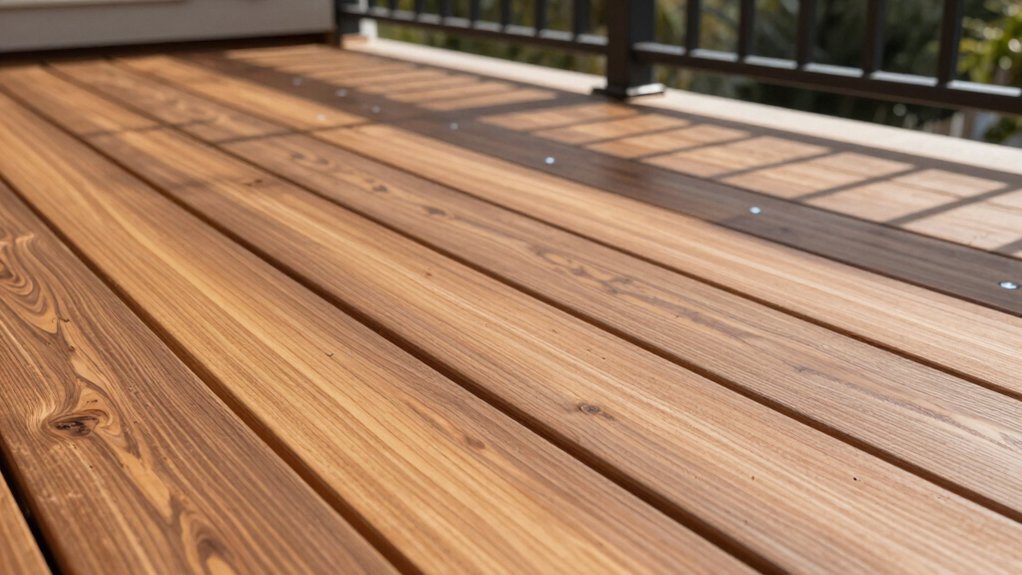
Decking prices aren’t random: hidden cost factors consistently push the sticker price up. You’ll see upcharges tied to project specifics, like site access, permits, and timing.
Labor intensity matters: more complex layouts, stair runs, and railing details drive labor hours and skilled trades costs higher.
Material sourcing fluctuations reshape the baseline, with supplier prices reacting to timber markets, fuel costs, and import duties.
Design choices echo in the bill: Eco friendly options often carry a premium for certified sustainably sourced or recycled content, while custom design adds engineering, renders, and shop drawings.
Installation window availability, warranty terms, and post-install maintenance planning also factor in.
Balancing eco options and tailored design can optimize value, not just upfront price.
Deck Material Comparisons: Wood, Composite, and Alternatives
You’ve seen how costs vary with site factors, labor intensity, and design choices; now let’s compare the main material options.
Wood offers familiarity, lower upfront cost, and easy repair, but you’ll face higher maintenance and potential price swings from lumber markets.
Composite materials reduce maintenance and warping risk, yet come with higher initial costs and finish limitations.
Alternatives like bamboo, recycled plastic, and high-ium composites can boost eco friendly options while still delivering durability, though availability and color stability vary by region.
Consider life-cycle costs, not just sticker price, and factor installation complexity into your math.
DIY considerations matter here: simple installs favor wood, while faster, prefab components suit composites.
Weigh aesthetics, sustainability, and long-term value to select the right fit for your project.
Labor and Installation: What Really Drives the Decking Bill
Labor time, material handling, and installer skill drive most of the decking bill. You’ll see costs rise with longer builds, tighter crew logistics, and the need for specialized tasks.
We’ll quantify how each factor varies by project size, layout, and chosen materials.
Labor Time Demands
Labor time is the main driver of installation costs, not just material prices. You’ll see productivity swings from crew skill, project complexity, and site access, all shaping the final bill.
Time-intensive tasks—layout, precise cuts, and fastening schedules—set the pace, while rework due to mismeasurements adds cost without adding value. Data shows a tight correlation between crew hours and total installation price, regardless of material choice.
Planning matters: accurate substrate prep, detailing for deck stain compatibility, and thoughtful lighting design decisions reduce delays and callbacks. You’ll benefit from upfront scoping, standardized methods, and minimized downtime.
When you optimize sequencing and bench-test treatment plans, you lock in predictable timelines, fewer surprises, and a more transparent, market-aware cost structure.
Material Handling Costs
Material handling costs add a substantial, often underestimated layer to the decking bill, because moving, staging, and storing materials directly impacts crew hours and equipment use. You’ll see these costs rise from transport, on-site routing, and crane or forklift time, not just material price.
In practice, logistics costs reflect schedule disruption, site accessibility, and load-in reliability. Poor access or narrow decks means longer trips, more trips, and higher fuel and labor. Efficient staging areas and just-in-time deliveries trim wasted hours and machine idle time.
Suppliers with integrated logistics track late arrivals, damage, and handling fees, compressing overall cost. You measure true value by considering total landed cost, not sticker price, and you compare vendors on reliability, footprint, and contingency readiness.
Material handling remains a predictable driver of your decking budget.
Installation Skill Variance
Even with identical materials, installer skill variance can swing decking costs more than you’d expect, because crew proficiency directly affects speed, waste, and warranty risk. You’ll see price gaps when one crew completes surface prep, framing, and fastener layout faster with tighter tolerances, while another stalls on alignment and cut accuracy.
Data shows crew experience correlates with material waste reductions and fewer call-backs, translating to lower long-run costs despite higher upfront labor rates. Market-aware estimates factor learning curves, crew rotation, and tool quality into bids, not just per-square-foot rates.
When evaluating proposals, ask for typical time-to-install benchmarks, defect rates, and post-install maintenance expectations. Consider deck stainings and railing designs as variables tied to timing and sequencing, influencing finish costs and warranty coverage.
Substructure, Footings, and Permits: Ready-to-Install Basics
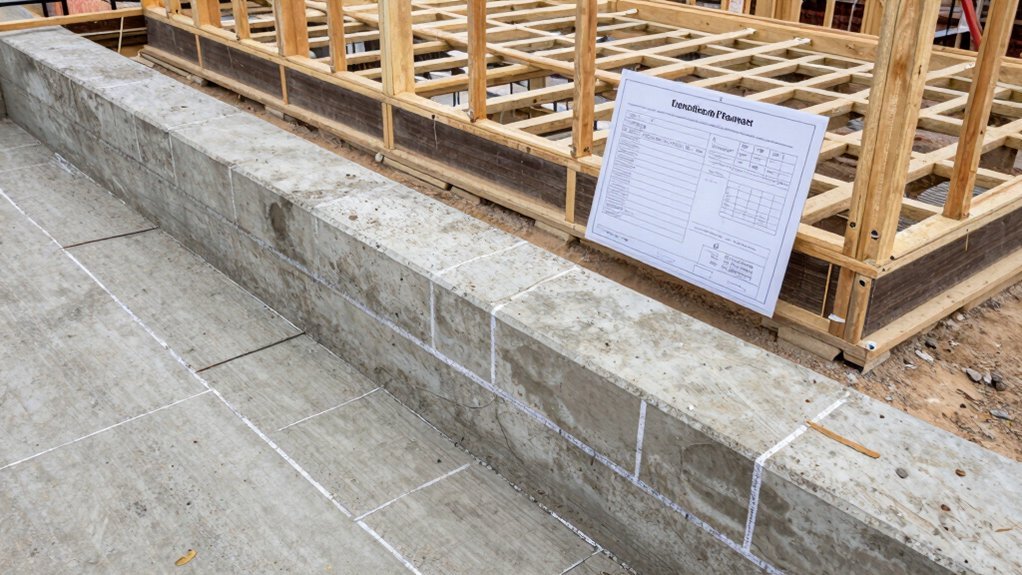
Substructures form the backbone of a deck, and getting the footings and permits right saves time and costly fixes later. You’ll plan foundation needs before buying boards, posts, or hardware, aligning design with soil conditions and local codes.
Foundation planning reduces surprises during install and underload scenarios, ensuring the structure stays level and durable. Footing depth, diameter, and spacing determine load transfer, with concrete or precast options offering predictable outcomes when poured correctly.
Permits matter: understand permit requirements early to avoid stop-work orders and rework. Budget for inspections, setback rules, and vibration limits that vary by jurisdiction.
A ready-to-install basics approach emphasizes accurate measurements, proper anchoring, and clean documentation, speeding procurement and minimizing field adjustments while keeping safety and code compliance central.
Maintenance Over Time: Long-Term Costs to Plan For
Maintenance costs creep in once the deck is built, so you should plan for upkeep as you estimate total ownership. Over time, routine maintenance shapes durability and resale value more than initial install price.
Expect annual costs for staining, sealing, and occasional repairs, even with high-quality materials. A realistic budget accounts for a deck stain every 2–4 years on most woods and longer intervals if using durable composites, plus annual cleaning routines to prevent mold and surface wear.
Labor can double or triple if you DIY too rarely or hire seasonal help. Weather exposure and routine inspections help catch issues early, preserving finish and structure.
Track maintenance intervals, material warranty terms, and cleaner compatibility to avoid costly mistakes. Data shows proactive care reduces major overhauls down the line.
Site Factors and Climate: How Location Affects Price
Site factors and climate drive price in clear, practical ways: local labor costs, material availability, and demand shift with weather patterns can all push or pull quotes. You’ll see price sensitivity tied to regional labor markets, with tighter crews raising quotes during peak seasons.
Material access fluctuates by supply chains and climate-driven harvests, so availability can swing costs week to week. Climate variations influence installation timelines, permitting speed, and risk premiums, all of which touch your bottom line.
Soil conditions matter for foundation prep, drainage, and longer-term performance, affecting total project cost. When you compare bids, consider how droughts, floods, or freeze-thaw cycles might alter scheduling and subcontractor reliability.
Documented climate patterns help forecast contingencies, reducing surprises and improving budgeting accuracy.
Maximize Durability and Style Without Overpaying
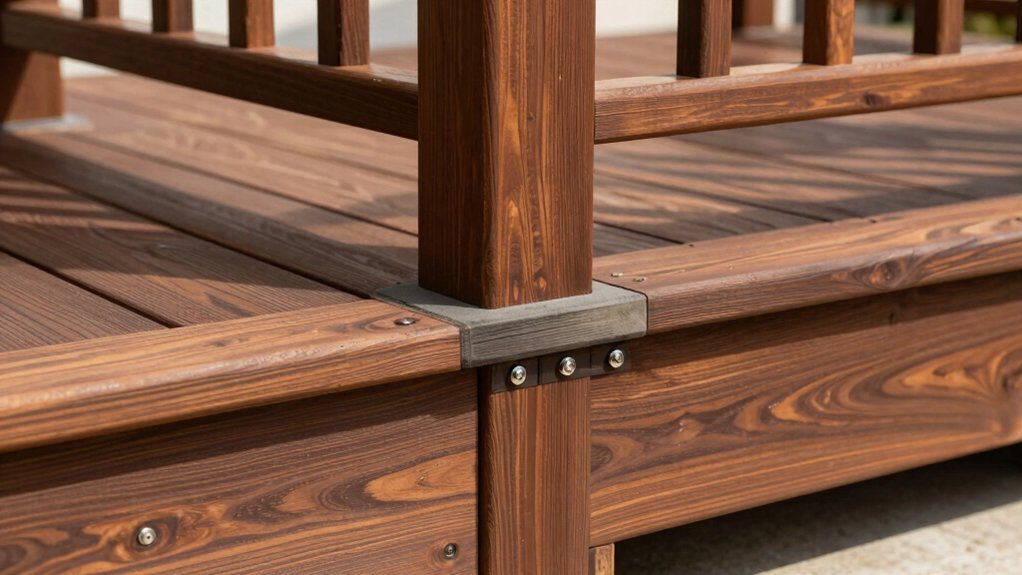
You’ll weigh material longevity, maintenance costs, and aesthetic value to stretch durability without inflating price.
Data shows choosing mid-tier, proven options often yields the best lifecycle costs, while tailored maintenance lowers long-term bills.
We’ll map clear tradeoffs between sturdiness, curb appeal, and the dollars you’ll save over time.
Material Longevity Choices
Material longevity matters because choosing durable decking materials reduces overall lifetime cost and maintenance, even if upfront prices are higher. You weigh options by expected lifespan, resistance to moisture, and wear from foot traffic. Composite and high-grade wood alternatives often outpace softer species on long-term performance, saving refinishing cycles.
When evaluating stains, consider UV resistance and color stability to minimize retreatment. For wood, look at treatment standards that boost decay resistance without compromising beauty. Deck stain compatibility matters; select products that extend color life and shield substrates.
Consider warranties that cover performance over a decade and the availability of replacement boards. Market data shows incremental upfront costs can yield lower total ownership, especially in climates with exposure to moisture, sun, and heavy use.
Maintenance Cost Factors
When you’re weighing upkeep alongside durability, maintenance cost factors become the real driver of value. You’ll compare installation, ongoing power needs, and lifespan across materials, fasteners, and coatings.
This is where the data matters: upfront costs may be higher with premium decking, but longer service intervals and lower repair bills can narrow total cost over time. Consider maintenance windows, staining or sealing cycles, and accessibility for repairs to avoid hidden labor charges.
Deck lighting adds ongoing energy and replacement expenses, so choose efficient options and LED fixtures with long lifespans.
Deck safety features—non-slip coatings, handrails, and code-compliant railings—reduce incident costs and insurance risk.
Prioritize products with clear warranties and documented maintenance schedules to maximize longevity without overpaying.
Aesthetic Value Tradeoffs
Balancing aesthetics with durability is about choosing materials and features that deliver lasting style without driving up total costs. You weigh value: don’t chase every design trend, focus on proven performance and resale appeal. Material choices matter more than flashy finishes, so favor consolidated options with tight warranties and low maintenance.
Look for design innovation that reduces ongoing costs, like fade-resistant colors or composite cores that resist moisture damage. When evaluating palettes, prioritize color options that hide wear and stain better over time, cutting maintenance cycles.
Market data shows mid-range options often outperform premium looks in long-term value, especially when paired with smart fasteners and unified railing styles. Informed trades-offs keep your deck stylish, durable, and economically smart.
Budgeting Tactics: Smart Ways to Value Without Surprises
Budgeting for decking without surprises starts with a clear, data-driven plan: identify all cost drivers—materials, labor, permits, and depreciation—and estimate each with current market prices plus a cushion for variability.
You’ll use budget planning to map line items, compare suppliers, and forecast seasonal swings.
Focus on transparent cost estimation by documenting assumptions, unit costs, and quantity ranges, then run best-case, base-case, and worst-case scenarios.
Track potential hidden costs like delivery fees, install tweaks, or code updates, and assign contingency percentages without inflating estimates.
Use historical data from recent projects to calibrate your model, then validate it with bids.
Finally, socialize the plan early with stakeholders to prevent scope creep and align expectations across the deck build.
Frequently Asked Questions
How Long Does a Decking Project Typically Take From Start to Finish?
A typical decking project takes about 1 to 3 weeks, depending on size and complexity. You’ll see material costs and labor expenses vary by design, permits, and site access, so budget for trades and delivery timing accordingly.
Can Decking Prices Include Foundational Work by Default?
Yes, decking prices can include foundational work by default, but confirm scope. You’ll weigh material costs and labor expenses, compare bids, and guarantee structural labor is clearly itemized to avoid surprises.
Do Hidden Costs Impact Warranties or Aftercare?
Hidden costs can affect warranties or aftercare. You’ll want to check warranty exclusions and plan for aftercare costs, since some brands exclude damages from certain events or require maintenance intervals to keep coverage valid. Data shows variability across suppliers.
Are DIY Options Cheaper Upfront Than Professional Installation?
Case study shows you save when you DIY: you’ll feel upfront costs drop, yet missteps cost more later. DIY savings exist, but you must factor tools, permits, and time; plan for upfront costs versus pros’ guarantees.
How Do Permits Affect Overall Project Timelines and Costs?
Permits can extend timelines and raise costs: permit delays and zoning restrictions often add weeks and dollars, pushing milestones and budgets. You should build contingencies, track approvals, and compare permitting timelines with local permit-prone neighborhoods to stay market-aware.
Conclusion
You now know why decking costs spike: materials, labor, permits, and site-specific factors all add up. If you plan smart, you’ll compare grades, factor in maintenance, and price-in substructure early. Don’t chase the cheapest option; chase long-term value. Price volatility is real, so build a buffer and get multiple quotes. Practice good budgeting: buy once, install right. Remember the adage: “A stitch in time saves nine.” Your deck, designed to last, starts with disciplined choices today.